
Views: 0 Author: Site Editor Publish Time: 2025-08-07 Origin: Site
Do you wonder how factories make matching parts fast? You can learn forming machine basics easily today. A forming machine shapes hard raw materials like metal. It uses force without cutting away any extra material. Think of pressing clay into a plastic mold instead. You do not carve it like real wood. Modern manufacturing relies on this fast fabrication method daily. Learning forming machine basics helps you understand global manufacturing.
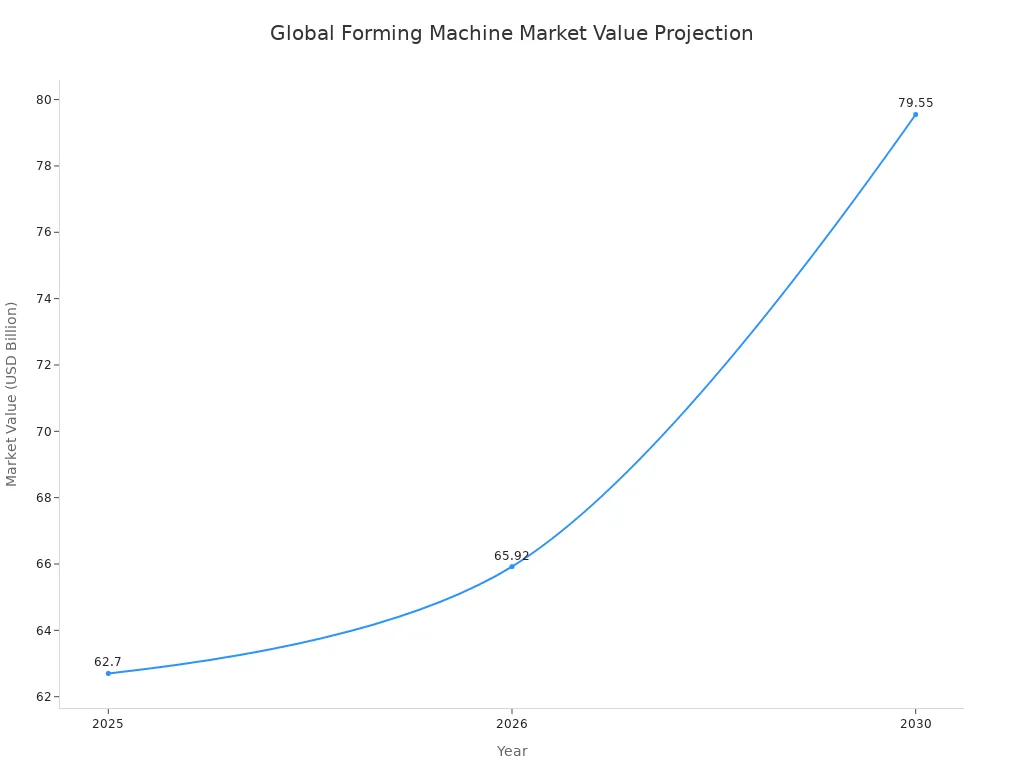
Forming machines shape metal and plastic using force.
They do this without making extra waste.
Strong heat and heavy presses mold hard parts fast.
Smart computer controls make factory work much faster.
They give exact results every single time.
Modern factories use smart tools to make car parts.
They also make plastic packaging and building supplies.
Forming machines push, bend, and compress metal. They do not carve away scrap. You learn basics by tracking metal fabrication. Big equipment applies very strong physical force. This force transforms raw metal easily.
Automated systems feed flat sheet metal continuously. Physical grippers hold the sheet metal. Rotary swing cylinders lock raw stock tightly. Linkage clamps hold raw stock firmly. Strong clamping eliminates all unwanted movement. Clamping preserves edge accuracy perfectly. Automated machinery drives metal onto molds. Tooling setups use hardened steel molds. These molds ensure continuous production precision.
High temperatures increase atomic mobility inside. Heat helps inside tough materials. Operators warm raw metal first. Heating makes shaping much easier. Warm items stretch into intricate molds. Warm metal will not crack easily. Thermal prep fills complex molds quickly. Factory systems process hard materials fast. Machines apply minimal force now.
Factories select press equipment carefully. They match tools to project needs.
| Press Type | Force Mechanism | Ideal Process |
|---|---|---|
| Mechanical Press | Fixed fast stroke | Rapid stamping |
| Hydraulic Press | Flexible pressure | Deep drawing |
| Servo Press | Precise stroke control | Complex geometries |
Extrusion forces raw metal through dies. These dies constrain the metal flow. Forging compresses stock into strong shapes. It makes durable 3D parts. Cold roll forming shapes long profiles. It uses many sequential rollers. Heavy press rams push stock hard. Rams push stock into molds. This creates your final components. Modern manufacturing depends on these tools. Powerful press mechanisms drive production.
Chilled water cools hot components fast. Water flows inside water-jacketed molds. Quick cooling locks part dimensions permanently. Automated arms clear open molds quickly. They work with great efficiency. Robotic loaders extract components from molds. They grab parts very rapidly. Automated cut-off saws slice continuous profiles. Saws cut metal into precise lengths. Smart manufacturing lines move finished goods. Goods go to packaging instantly. Modern manufacturing thrives on high speed. It relies on great efficiency. These core steps explain forming machine basics. They clarify smart manufacturing today.
You can check auto roll forming. Big tools shape raw stock smoothly. One custom roll forming machine bends raw sheet metal. It makes uniform shapes. Every roll former uses paired rollers. They bend flat stock. One roll former line uses many rollers. It uses 10 to 24 roller stands. They build complex shapes. Each roll forming machine feeds metal fast. You see key steps in the roll forming process:
Material Feeding: Coils unwind raw sheet metal. Metal enters entry guides now.
Incremental Bending: Consecutive rollers execute small bends. This happens during the roll forming process.
Guided Cross-Section: Side rolls guide the metal roll forming pass. This helps limit stress.
Final Completion: You make identical custom profiles easily. Use this simple roll forming process.
Modern roll forming lines machines offer great processing flexibility. Systems join steps into one fast workflow. You can inspect parts in a heavy roll former:
| Unit | Capability Description |
|---|---|
| Leveling Unit | It flattens raw sheet metal stock. |
| Punching System | It adds custom holes fast. This aids the roll forming process. |
| Flying Cut-Off | Saws cut moving custom profiles. They shape stock without stopping the roll former. |
An industrial roll forming machine processes raw coils fast. It offers huge production flexibility. An industrial roll former transforms raw coils well. This strong roll former shapes steel daily. Your plant roll former runs nonstop.
Compare metal roll forming with thermoforming machinery. Thermoforming uses custom molds. It avoids heavy metal rollers. Commercial thermoforming shapes soft plastic easily. Automated thermoforming runs fast. Fast thermoforming makes thin plastic items. Modern thermoforming relies on vacuum forming machines. But a roll forming process shapes long strips. Operators use vacuum forming machines today. They shape warm plastic sheets over custom molds. Soft sheets hug molds tightly. This uses vacuum pressure near 85 kPa.
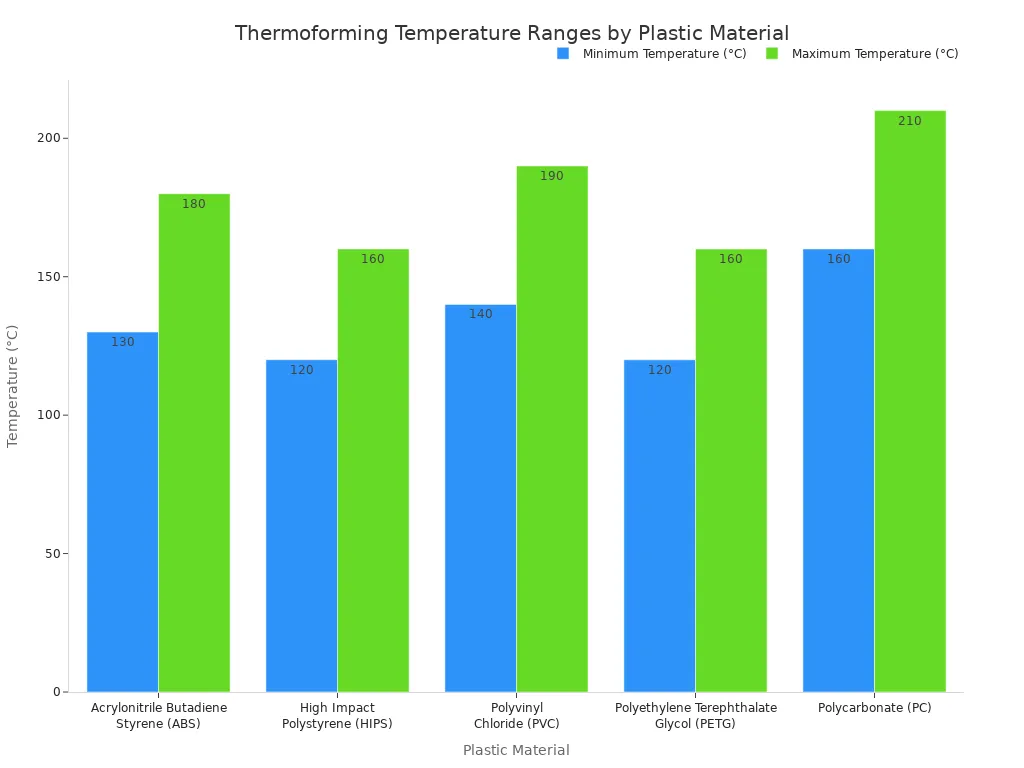
Factories use industrial vacuum forming for light trays. Modern vacuum forming machines heat sheets fast. Suction starts right after heating. Heat softens the plastic sheet first. The basic vacuum forming process starts here. The exact vacuum forming process forces sheets down. It clamps them over open molds. This clean vacuum forming process creates exact parts. Automated vacuum forming machines duplicate plastic parts. They mold items around durable molds. Systems cool sheets over custom molds. Then ejectors clear those molds. Air pressure pushes plastic into heated molds. Heat fills these molds completely. Plastic sets around shaped molds. Every roll forming machine delivers fast output. Specialized vacuum forming machines shape soft plastic. Meanwhile, roll forming machines shape hard steel. Industrial vacuum forming machines run fast today. Factories rely on industrial vacuum forming daily. They use smart thermoforming processes. This fast roll forming process creates solid parts.
You learn fast about big benefits. Look at quick speeds today. See major cost savings now. New forming machine tools change things. Modern factory setups transform work.
Fast speed drives top success. Automated tools push metal fast. Metal moves into molds quickly. Look at old machines here. See automated tools below now:
| Machine Category | Output Rate (Boxes per Minute) | Output Difference / Efficiency Gain |
|---|---|---|
| Single-Station (Traditional) | 18–35 | Baseline |
| Dual-Station (Automated) | 45–50 | 80%–150% boost in production rate |
One roll forming machine runs fast. It moves raw stock nonstop. Quick machines fill molds daily. You gain huge new efficiency. Daily plant operations grow fast.
Old cutting tools make scrap. Expensive metal gets shaved away. Forming tools shape items directly. Strong presses push raw stock. Stock goes into tough molds. You get total design flexibility.
Pro Tip: Shape raw stock inside molds! You erase costly scrap cleanup.
A heavy roll former saves stock. Special molds protect item surfaces. Exact molds prevent extra waste. Production costs stay very low.
Smart computers guide modern tools. Automated controllers change settings fast. They make edits in real time. A roll forming machine bends steel. Bends happen automatically now. Computer control adds operational flexibility. You craft custom profiles easily. No manual effort is needed.
Every roll former uses digital code. Commands align steel parts right. Computer systems swap molds fast. Hardened molds shape perfect parts. They work every single time. Smart molds build exact parts. No errors happen at all. Great machine flexibility helps you. It brings big money gains. Your business grows very fast.
Modern plants use fast forming machines daily. Top tools shape key items for global industries. You see these items in daily life.
Car plants use fast tools for tough steel parts. Continuous roll forming shapes strong metal into frame channels. Smart presses push hot metal into hard molds. This builds light car parts. Modern car making swaps heavy parts for shaped panels. These light parts save gas. Fast lines use exact molds for custom parts.
Plastic thermoforming powers plants across the globe. Cool machines heat plastic sheets first. Then they stretch them into custom molds. Warm sheets fit inside custom molds fast. Big plants need short cycle times. Factories use industrial vacuum forming for clear trays. They make blister packs and store displays too. Safe medical packaging keeps tools clean for doctors. Fast thermoforming builds strong food packs nonstop. Safe food packaging keeps store items fresh. Fresh food packs protect goods during delivery.
Thermoforming makes two-thirds of global rigid packaging.
Common plastic items include:
Polyethylene Terephthalate (PET)
High Impact Polystyrene (HIPS)
Polyvinyl Chloride (PVC)
Industrial thermoforming builds custom shapes with extreme care. Quick thermoforming tools make small details with ease. Automated systems use cold molds to set containers. Fast making keeps factory costs low.
Builders use heavy metal roll forming for supplies. Special roll formers bend tough metal into studs. They shape roof panels and rain gutters too. The automated roll forming process builds steel frames fast. Builders pick cold-formed steel to meet AISI rules. Plant machines shape long steel channels with molds. These rigid molds keep beam sizes uniform always. Modern building work demands top quality constantly. Smart making steps help plants build strong parts. Tough metal parts shield homes from bad weather.
Now you know forming machine basics well. These machines reshape metal and plastic. They make essential daily items. You get fast speeds. You get high precision. You save huge money. Smart methods reduce metal waste. They cut waste by 80%. Modern tech drives smart factories daily. Advanced tools shape global supplies. They power key lines for years.
Thermoforming shapes soft, warm plastic. You stretch sheets over molds. Metal machines use big rollers. They also use heavy presses. A roll forming process bends steel. Rollers bend long strips slowly. Both methods make fine parts. Neither way creates scrap metal.
Key Takeaway: Forming tools shape plastic or metal without shaving away raw stock!
Workers heat up hard plastic. They place it over molds. Vacuum forming machines pull air out. They suck out trapped air. Soft plastic hugs the mold. The sheet cools down fast. You get matching plastic parts.
Plants use strong, hard molds. Molds shape parts very fast. Custom molds shape raw stock. They shape plastic or metal. You make clean medical packaging. You build strong car parts. Molds help make many items.
You see these goods daily. Factories run thermoforming tools fast. They make clear food trays. Vacuum forming machines shape packaging. They push plastic onto molds. Plants make fridge liners now. They build store displays, too.


