
Views: 0 Author: Site Editor Publish Time: 2025-10-07 Origin: Site
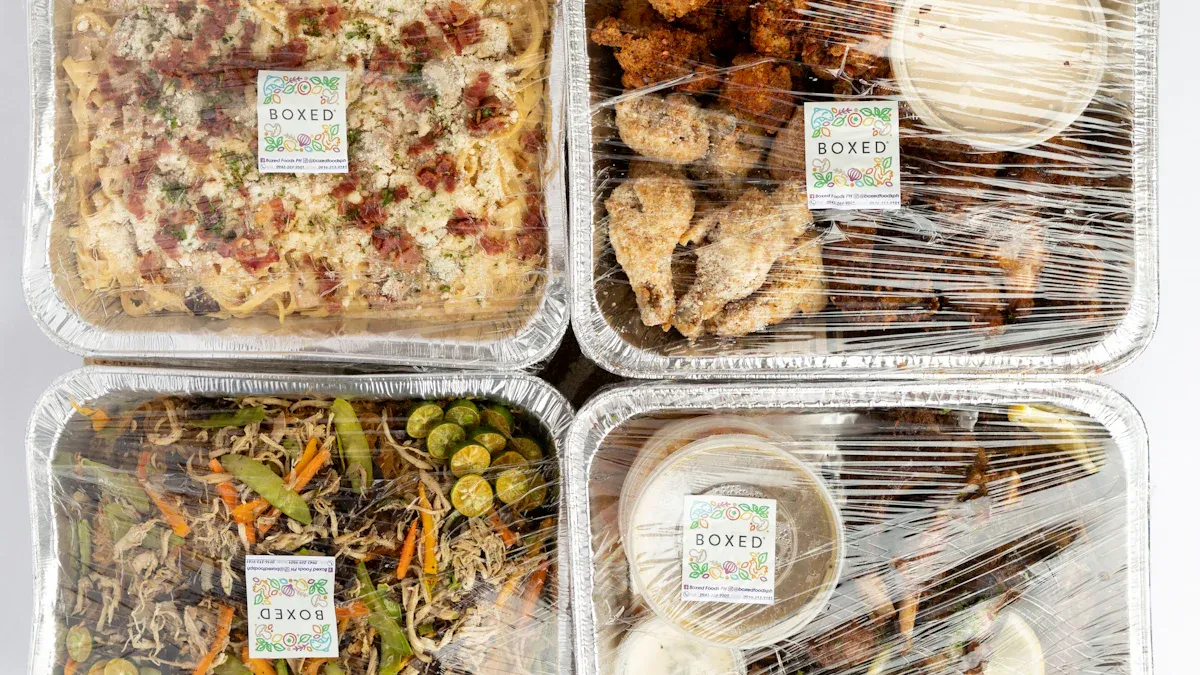
Thin-Gauge Thermoforming is an easy way to pack things. You spend less money because tools cost less. Production is faster, so you save time. You use less material, which lowers costs. Most food and medical packages use this method. About 75% of them are made this way. It works well for making lots of packages. Your products stay safe and protected. This is a smart choice for busy companies.
| Attribute | Thin-Gauge Thermoforming | Other Methods |
|---|---|---|
| Material Requirements | Lower | Higher |
| Production Cycle Speed | Faster | Slower |
| Initial Tooling Expenditure | Lower | Higher |
| Energy Consumption | Less | More |
| Ideal for Mass Production | Yes | Varies |
Thin-Gauge Thermoforming is a cheap way to make packages. It helps companies spend less on tools and materials.
This process makes packages fast. It is good for companies that need many packages quickly.
There are many ways to customize packages. Businesses can make packaging that fits their products.
Thin-Gauge Thermoforming is good for the environment. It makes less waste and uses materials that can be recycled.
The packaging keeps products safe. It protects items when they are shipped and handled.
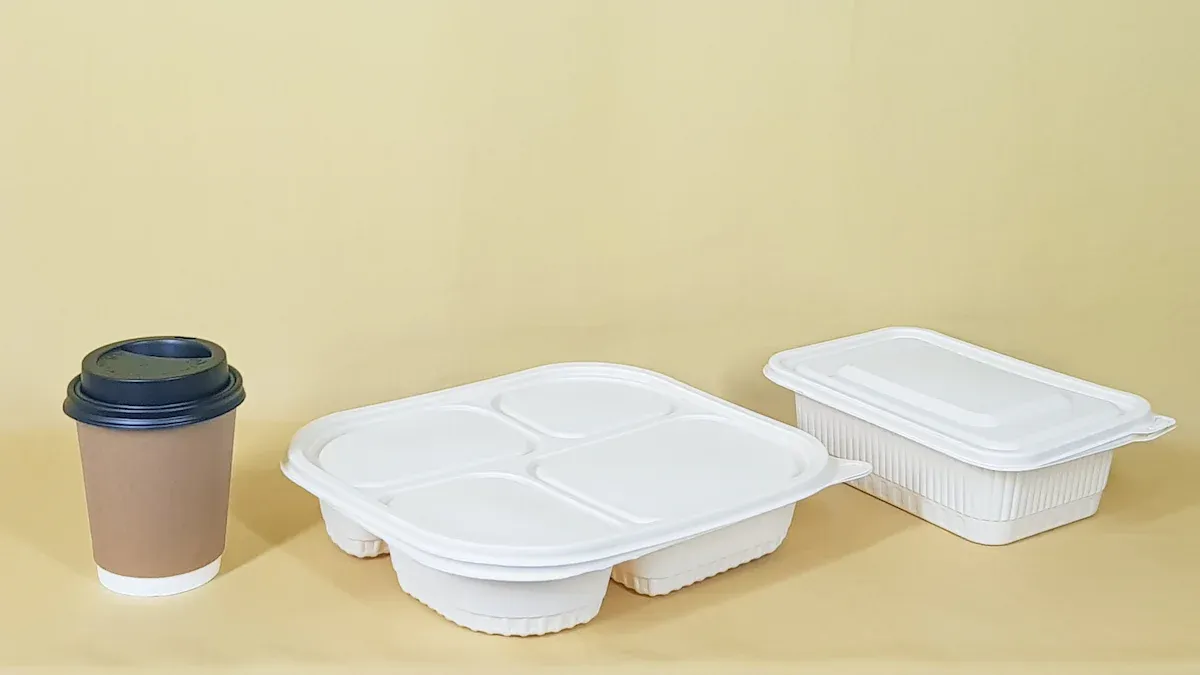
Thin-Gauge Thermoforming shapes plastic sheets for packaging. First, you heat a thin plastic sheet until it gets soft. Next, you put the soft sheet over a mold. A vacuum pulls the sheet tight to the mold. The plastic takes the shape of the mold. Then, you cool the plastic so it gets hard. After cooling, you trim the plastic to finish the package.
There are different machines for this process.
Rotary thermoforming machines make lots of packages fast.
In-line, roll-fed thermoforming machines handle big jobs and keep things moving.
Shuttle thermoforming machines are good for small or custom orders.
5 Axis CNC routers help cut and finish the parts very neatly.
Thin-Gauge Thermoforming is used for blister packs, clamshells, food trays, and medical trays. This method gives you quick results and the same shape every time.
Tip: Pick your machine based on how many packages you need. Rotary and in-line machines are best for big jobs. Shuttle machines work well for small or special orders.
You also need to pick the right plastic. The most common types are High Impact Polystyrene (HIPS), Polyethylene Terephthalate Glycol (PETG), Polypropylene (PP), and Polyvinyl Chloride (PVC). These plastics are strong, clear, and flexible for different packaging.
| Material | Characteristics |
|---|---|
| HIPS | Cheap, easy to change, strong, stiff |
| PETG | Good for food and medical packaging |
| PP | Used in many kinds of packaging |
| PVC | Clear and can be used in many ways |
Thin-Gauge Thermoforming uses thin plastic sheets. These sheets are usually between 0.010 and 0.060 inches thick (0.254 to 1.524 mm). Thin sheets are used for light, throw-away items like food trays and blister packs. Using thin sheets makes the process faster and saves material, so it costs less.
Heavy-gauge thermoforming uses much thicker sheets. These start at 0.060 inches and can go up to 1 inch or more. Thick sheets are used for bigger, stronger packages that need to last longer.
Thin-gauge thermoforming: 0.010 to 0.060 inches
Heavy-gauge thermoforming: 0.060 inches and up
Thin-gauge is best for light, easy-to-throw-away products. Heavy-gauge is better when you need something strong and tough.
Note: Thin-Gauge Thermoforming lets you make many kinds of packages fast. You can change the thickness to fit what your product needs.
Thin-Gauge Thermoforming helps you save money and time. The process mixes extrusion, heating, forming, and trimming in one step. You can make thousands of packages every hour. This method wastes very little material. Roll-fed plastic is used, and it costs less than other kinds. The sheets are shaped right after extrusion, so quality stays the same. Automated trimming stations finish the packages, so they are ready to use.
| Benefit | Description |
|---|---|
| Faster Production Speeds | All steps happen together, so production is quick. |
| High Volume Efficiency | You can make thousands of parts each hour with little waste. |
| Lower Material Costs | Roll-fed plastic is cheaper than pre-extruded sheets. |
| Consistent Part Quality | Sheets are shaped right after extrusion for better control. |
| Integrated Trimming | Machines trim the parts, so they are ready for packaging. |
You get your packages faster than with other methods. Custom Thin-Gauge Thermoforming tools are ready in weeks. Injection molding tools can take months to finish. Production cycles are also quicker, so this method is good for small or medium jobs.
Tip: Thin-Gauge Thermoforming is great if you need packaging fast.
You have many ways to change your packaging. Thin-Gauge Thermoforming lets you make trays, shipping trays, cavity packaging, and clamshells. You can pick from PET, PVC, ABS, HIPS, HDPE, PP, PETG, and PC. This makes it easy to design packaging that fits your product.
| Customization Options | Examples |
|---|---|
| Types of Packaging | You can make trays, shipping trays, cavity packaging, and clamshells. |
| Materials Used | PET, PVC, ABS, HIPS, HDPE, PP, PETG, and PC |
You can change the shape, size, and thickness to fit your needs. Custom designs are finished faster, too. Thin-Gauge Thermoforming tools are done in weeks, but other methods take months. This helps you keep up with new trends.
Note: You can update your packaging design quickly and follow new trends.
Thin-Gauge Thermoforming is better for the environment. Many packages use PET, which you can recycle. In the U.S. and Canada, about 9% of PET thermoforms get recycled. You use less material, so there is less waste. These packages are light, so shipping costs less and you make less pollution.
About 9% of PET thermoforms are recycled in the U.S. and Canada.
You can also use recycled materials to make new packages. This helps the environment and keeps waste out of landfills.
Tip: Ask your supplier if you can use recycled materials for your packaging.
Thin-Gauge Thermoforming keeps your products safe. The packaging holds items in place, so they do not move around. This lowers the chance of damage during shipping. The materials protect against impacts, moisture, and chemicals. Fragile items stay safe and keep their quality.
Custom-fit designs hold products tight and stop them from moving. Strong and flexible materials help absorb shocks and bumps. Light packaging costs less to ship and is better for the environment.
Custom-fit designs hold products in place and stop damage.
The materials are strong and flexible, so they protect against impacts.
Light packaging costs less to ship and is better for the planet.
Callout: Thin-Gauge Thermoforming keeps your products safe from bumps, drops, and water.
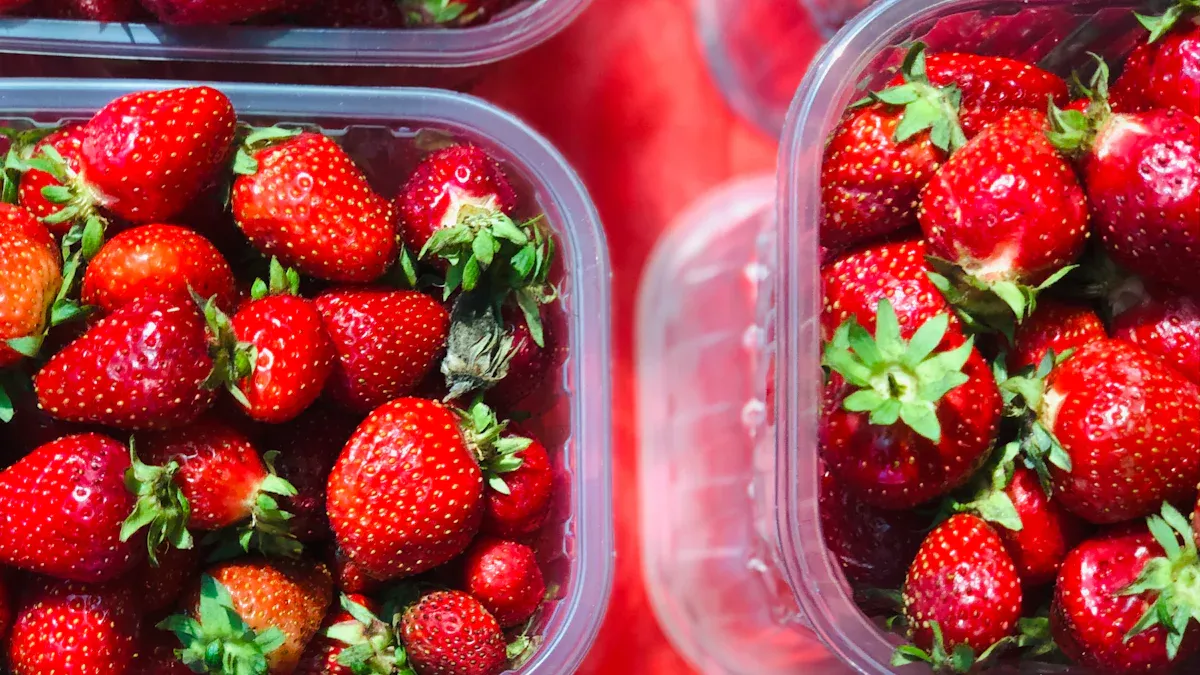
Thin-Gauge Thermoforming is used a lot for food. It helps pack many foods fast and safely. You see it with ready-to-eat meals, fresh fruits, and deli foods. The seals are strong and keep food fresh. Packages use PP and PET, which are safe for food. These plastics follow strict safety rules. You can trust them to keep food clean and safe from germs.
| Aspect | Description |
|---|---|
| Gauge Thickness | Makes packages strong and keeps food safe, good for proteins. |
| Seal Integrity | Strong seals stop germs and keep food fresh. Tested by ASTM. |
| Oxygen Transmission Rate | Stops air from spoiling food and keeps germs away. |
| Moisture Vapor Transmission Rate | Stops water drops and ice from forming. |
| Material Selection | PP and PET are safe and follow food rules. |
Tip: Pick packaging with strong seals and safe plastics. This helps your food last longer.
Thin-Gauge Thermoforming keeps medical things clean and safe. It is used for trays, housings, bezels, enclosures, and custom packages. These packages are made for sterilization. They keep medical items clean until you need them. Fewer people touch the items, so there is less risk of germs. Strong seals keep things sterile during shipping and storage.
| Evidence Description |
|---|
| These packages are made for sterilization and keep medical devices clean until you use them. |
Callout: Custom packaging lowers the chance of germs and keeps medical supplies safe.
Thin-gauge thermoformed packaging is used for many products. Food, drinks, personal care, and cosmetics companies like it. It is light, cheap, and easy to shape. You get packaging that fits your product well.
| Trend | Description |
|---|---|
| Sustainable Packaging Demand | More people want packaging that is good for the planet. |
| Process Innovation | New ways make packaging better and faster. |
| Regulatory Environment | Safety rules help pick materials and make packages. |
Companies now care more about safety and the planet. They use new ways to make packaging and follow strict rules.
Note: Thin-Gauge Thermoforming helps you keep up with new packaging ideas and what customers want.
You might wonder how thin-gauge thermoforming compares to injection molding. Thin-gauge thermoforming is much faster and costs less. This is true when you need to make many packages. Each package can be made in 3 to 10 seconds. Injection molding takes longer, from 45 to 180 seconds per package. The tools for injection molding cost a lot. This makes it hard for small companies to start. Thin-gauge thermoforming keeps the cost low when you make lots of packages.
| Limitation of Injection Molding | Explanation |
|---|---|
| High tooling costs | Can stop companies from using injection molding. |
| Long lead times | Mold building and repairs take a long time. |
| Less suitable for low-volume runs | Not good for making only a few packages. |
Tip: If you want fast and cheap packaging, thin-gauge thermoforming is a smart pick.
Thin-gauge thermoforming gives you light and flexible packaging. You can use it for things like food trays and blister packs. Rigid packaging uses thicker plastic and feels stronger. It is better for products that need more protection or last longer. Thin-gauge plastics are usually less than .06 inches thick. They are easy to recycle and good for single-use items.
| Feature | Thin Gauge Thermoforming | Heavy Gauge Thermoforming |
|---|---|---|
| Tooling Cost | Low | Moderate to high |
| Durability | Low to moderate | High |
| Ideal Volume | High | Low to Medium |
Packaging costs more when you use thicker plastic. You need to think about both cost and strength when choosing packaging.
Thin-gauge thermoforming has special benefits that other ways do not have. You save money and work faster when making lots of packages. You can change the shape, size, and look of your packaging. The process lets you make cool designs and show your brand. The packages are light, so shipping costs less and you use less plastic. You get your packaging quickly because lead times are short. You also waste less material, which is better for the planet.
Saves money and works well for big jobs
Many ways to customize your packaging
Light packages
Fast turnaround times
Less material waste
Easy to make special shapes and brands
Note: Thin-gauge thermoforming helps you make creative packaging and keeps your costs down.
When you pick thin-gauge thermoforming, think about a few things. First, decide how many packages you need. Thin-gauge is best for making lots of packages fast. You save money because the tools cost less. You also get your packages quicker because lead times are short.
| Key Factors | Thin-Gauge | Thick-Gauge |
|---|---|---|
| Production Quantities | Higher production quantities | Lower production quantities |
| Production Times | Faster production times | Slower production times |
| Lead Times | Shorter lead times | Longer lead times |
| Tooling Costs | Less expensive tooling | More expensive tooling |
Picking the right plastic is important. Some plastics bend easily, and some are strong. Others can handle heat. Thin-gauge sheets are good for hard, throw-away packaging. Food trays and containers use these sheets a lot. Match the sheet thickness and mold type to your product. This helps you get the best package.
Thin-gauge sheets work well for food packaging you throw away.
Pick plastics that fit what you need, like bending or heat.
Change sheet thickness and mold type for your product.
Tip: Test your material and design before making lots of packages. This helps you stop problems before they start.
You can make your production line better by using smart steps. Use a horizontal roll stand to keep the plastic flat. Make sure melted plastic goes right into the main rollers. This stops marks from showing up. Try a multi-nipping roll stand for even cooling. Keep the temperature and flow steady for good quality.
Use up to 70% recycled plastic to save money and help the planet.
Watch the melt temperature to stop freezing too soon.
Keep roll speed steady to avoid mistakes.
Sometimes, you may have trouble with the melt bank or speed. You can fix these by changing your equipment and using digital controls.
| Challenge | Solution |
|---|---|
| Controlling the melt bank position | Change the roll stand height to match the die-lip exit. |
| Maintaining accurate speed control | Use digital controls for better speed. |
| Managing raw material influences | Pick materials carefully to stop problems. |
Note: Planning well and using the right equipment helps you get great results with thin-gauge thermoforming.
Thin-Gauge Thermoforming makes packaging products easy. You spend less money and use fewer materials. You get your packages quickly. This way is best for making lots of disposable packages. Your products stay safe when shipped.
You pay less for packaging
You can choose special designs
Try this process for your next packaging job. You will find it simple and helpful.
Thin-gauge thermoforming shapes thin plastic sheets for packaging. First, the sheet is heated until it gets soft. Then, it is formed over a mold to make a shape. After that, the extra plastic is trimmed away. This makes light packages you throw away after use. Food, medical, and other products use this kind of packaging.
You spend less money and save time with this process. It uses less plastic and less energy. You get your packages quickly and they protect your products well. Thin-gauge thermoforming is good for making lots of packages you use once.
Yes, many thin-gauge packages can be recycled. PET and PP plastics are used a lot and can be recycled. Always check your local recycling rules first. Using recycled plastic helps cut down on waste.
You see this packaging in food trays and blister packs. Clamshells and medical trays use it too. Many things like electronics and makeup come in these packages.
Tip: Think about what your product needs. Pick PET if you want food safety. Choose HIPS if you need something strong. Use PP if you want your package to bend. Ask your supplier which material is best for you.


