
Views: 0 Author: Site Editor Publish Time: 2025-07-16 Origin: Site
In today’s environmentally conscious world, reducing packaging waste has become a major focus for businesses across industries. With the rapid growth of e-commerce and mass production, packaging waste continues to rise, contributing to pollution and the depletion of natural resources. In response, many companies are now seeking sustainable solutions that can help reduce the environmental impact of their operations. One such solution is vacuum forming, a process that plays a significant role in minimizing packaging waste while also providing a cost-effective and efficient manufacturing option.
But how exactly do vacuum forming machines help reduce packaging waste? This article delves into the mechanics of the vacuum forming process, its impact on waste reduction, and how businesses can leverage this innovative technique to create environmentally friendly packaging solutions. By the end, you will gain a deeper understanding of how vacuum forming helps businesses lower waste and contribute to a more sustainable future.
Before diving into the waste reduction benefits, it's essential to understand what vacuum forming is and how it works. Vacuum forming is a type of thermoforming process that uses heat and vacuum pressure to shape a plastic sheet over a mold. The process involves heating a flat plastic sheet until it becomes soft and pliable, then placing it over a mold, where vacuum pressure is applied to pull the plastic sheet tightly against the mold. Once the plastic cools and solidifies, it takes the shape of the mold.
This process is widely used across many industries, including packaging, automotive, medical, and consumer goods manufacturing. It offers a versatile and cost-effective way to create custom-shaped parts and products. The key advantage of vacuum forming is that it allows manufacturers to create precise, high-quality packaging with minimal material waste, making it an ideal solution for businesses seeking to reduce their environmental impact.
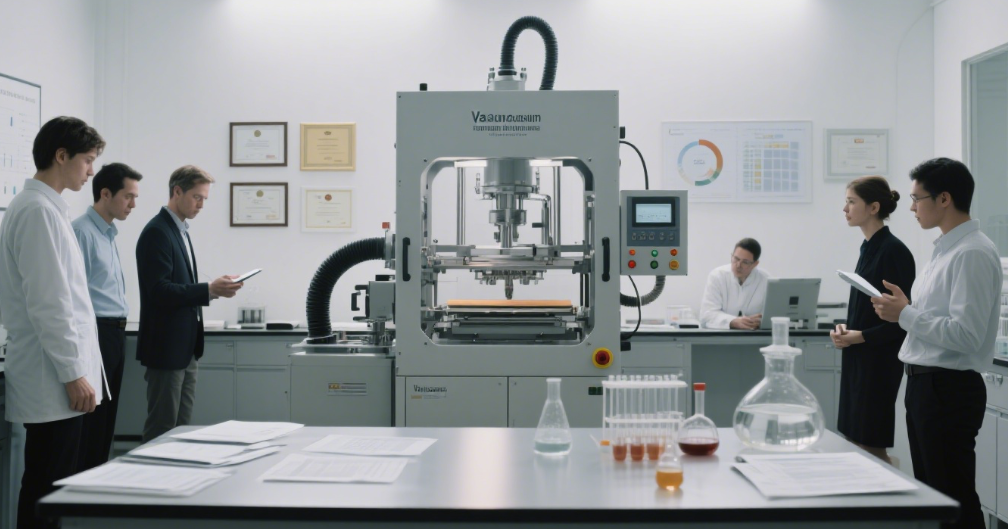
One of the most significant ways vacuum forming machines reduce packaging waste is by enabling the efficient use of materials. Unlike other manufacturing processes, where excess material is often generated and discarded, vacuum forming ensures that only the necessary amount of plastic is used for each part or product. The plastic sheet is carefully heated and stretched over the mold, and any excess material is typically trimmed away after the forming process.
Because the process is highly controlled, there is minimal waste generated during production. The precision of vacuum forming machines means that manufacturers can avoid overproduction and unnecessary material usage, leading to less scrap material. This reduction in waste directly benefits the environment by reducing the amount of plastic that ends up in landfills.
Moreover, leftover plastic trimmings can often be recycled and reused in future production runs. This creates a circular process where waste materials are reintegrated into the manufacturing cycle, further minimizing the need for new raw materials.
In traditional manufacturing methods such as injection molding, there is often a significant amount of scrap material created during the production process. Vacuum forming, however, minimizes scrap material because it uses a single sheet of plastic that is evenly heated and precisely formed over a mold. The plastic is then trimmed to the exact shape, ensuring that little material is wasted.
By reducing the amount of scrap material, businesses can lower their production costs and reduce their environmental footprint. The vacuum forming process is especially beneficial for industries that require custom-shaped packaging or parts, as it eliminates the need for excessive material to be used in each run.
Excess plastic that is trimmed off can also be recycled and repurposed, further reducing the environmental impact. This is particularly important for businesses aiming to meet sustainability goals and reduce their reliance on new plastic production.
Vacuum forming is an excellent choice for prototyping and small-batch production, making it ideal for companies that want to reduce waste during the product development stage. When designing new packaging, businesses often need to test different shapes and sizes before settling on a final design. Vacuum forming allows for rapid prototyping, enabling manufacturers to quickly produce sample parts and evaluate their fit, function, and aesthetic appeal.
By using vacuum forming for small-batch production, businesses can avoid overproduction of packaging materials. Instead of committing to large production runs that may result in excess packaging, companies can produce only the number of parts or packaging required for their needs. This approach not only reduces waste but also saves on material costs and reduces the environmental impact associated with overproduction.
The ability to make changes to the design quickly and cost-effectively also ensures that businesses are producing packaging that is optimized for the product it is meant to protect, further reducing waste.
Another significant advantage of vacuum forming machines is their ability to work with recyclable materials. Many of the plastics used in vacuum forming, such as PET, PVC, and ABS, are recyclable and can be reused multiple times without losing their quality or integrity. This makes vacuum forming a more sustainable option compared to other manufacturing methods that rely on non-recyclable materials.
During the production process, any excess plastic material can be collected and sent for recycling. This reduces the amount of waste sent to landfills and lowers the overall environmental impact of the manufacturing process. Vacuum forming is an excellent example of how recycling can be integrated into the production cycle to create a more sustainable and eco-friendly manufacturing process.
Additionally, the use of recyclable plastics helps businesses comply with environmental regulations and consumer demand for more sustainable products. As more consumers prioritize eco-friendly packaging, companies that use vacuum forming can position themselves as leaders in sustainability.
One of the key benefits of vacuum forming machines is their ability to create customized packaging solutions that fit products perfectly. This level of customization reduces the likelihood of overproduction and unnecessary waste. In traditional packaging methods, there is often a one-size-fits-all approach, which can result in packaging that is too large or too small for the product, leading to excess packaging material being discarded.
With vacuum forming, manufacturers can create packaging that is precisely tailored to the size and shape of the product it is meant to protect. This eliminates the need for excess packaging and ensures that the packaging is as efficient as possible. By avoiding overproduction and unnecessary material usage, businesses can reduce their environmental impact and create more sustainable packaging solutions.
Moreover, vacuum forming allows for on-demand production, meaning that companies can produce packaging only when it is needed. This approach eliminates the risk of overstocking and excess inventory, which can lead to waste and discarded packaging.
Another important aspect of vacuum forming is that it produces lightweight packaging. In many industries, packaging accounts for a significant portion of a product’s total weight. By using vacuum formed materials, businesses can reduce the weight of their packaging, which leads to lower transportation costs and reduced carbon emissions.
Lighter packaging requires less energy to transport, resulting in lower fuel consumption and a smaller carbon footprint. This is particularly important for industries like e-commerce and retail, where products are often shipped over long distances. By reducing the weight of packaging, businesses can contribute to a more sustainable supply chain and help reduce transportation-related emissions.
The lightweight nature of vacuum formed packaging also allows for more efficient use of storage space, further optimizing the overall logistics process. This reduction in packaging weight not only benefits the environment but also helps businesses save on transportation and logistics costs.
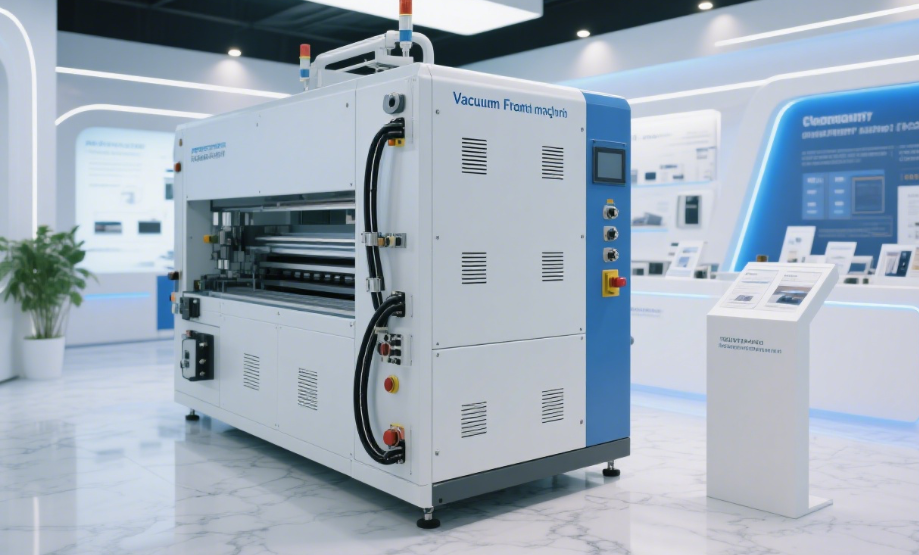
Vacuum forming is a highly cost-effective manufacturing method, especially for businesses that need to produce packaging in low or medium quantities. Unlike injection molding, which requires expensive molds and extensive setup times, vacuum forming has lower initial setup costs and faster production times. This makes it an ideal option for companies that want to create custom packaging without incurring significant expenses.
In addition to the cost savings associated with production, vacuum forming also reduces material waste, which lowers the overall cost of raw materials. The ability to reuse excess plastic further enhances the cost-effectiveness of the process.
Vacuum forming machines offer unparalleled versatility when it comes to packaging design. Manufacturers can create a wide range of packaging types, including trays, clamshells, and blister packs, all tailored to fit the specific needs of the product. This flexibility allows businesses to produce packaging that is both functional and aesthetically pleasing, while minimizing waste.
The ability to create custom designs also means that businesses can respond quickly to changing market demands and trends. Whether it’s creating packaging for new products or adapting existing designs to meet sustainability goals, vacuum forming provides the flexibility required to stay ahead of the competition.
Despite its lightweight nature, vacuum formed packaging is incredibly durable and protective. The molded plastic provides excellent resistance to impact, moisture, and environmental factors, ensuring that products are safely transported and stored. The durability of vacuum-formed packaging means that products are less likely to be damaged during transit, reducing waste caused by damaged goods.
Additionally, the ability to create custom fits for products ensures that the packaging provides optimal protection, further reducing the risk of damage and waste.
The automotive industry relies heavily on vacuum forming for producing lightweight, durable parts, including interior components, dashboards, and trim pieces. By using vacuum formed parts, manufacturers can reduce the overall weight of vehicles, improving fuel efficiency and reducing emissions. The precision and cost-effectiveness of vacuum forming also make it an ideal option for producing custom parts in small quantities.
The packaging industry is one of the largest users of vacuum forming machines. From food containers to medical packaging, vacuum forming provides a sustainable solution for producing high-quality packaging with minimal waste. The ability to create custom designs that perfectly fit the product helps reduce excess packaging and ensures that the packaging is as efficient as possible.
In the medical field, vacuum forming is used to produce custom packaging for medical devices, including sterile trays and protective covers. The high precision and durability of vacuum-formed packaging ensure that medical products remain safe during transportation and storage. Additionally, the recyclability of the materials used in vacuum forming helps meet sustainability goals within the healthcare sector.
Many consumer goods, such as electronics, toys, and household items, benefit from vacuum formed packaging. This process allows for the creation of lightweight, durable, and aesthetically pleasing packaging that enhances product presentation while reducing waste. Customization in vacuum forming ensures that each product has the optimal packaging solution, reducing excess material usage and minimizing waste.
In summary, vacuum forming machines play a crucial role in reducing packaging waste and promoting sustainability across various industries. By using less material, recycling excess plastic, and enabling precise production, vacuum forming offers a highly efficient and environmentally friendly solution for businesses aiming to minimize their environmental footprint. As companies continue to seek ways to reduce waste and improve their sustainability practices, vacuum forming will undoubtedly remain a vital part of the solution.
If you're looking for high-quality vacuum forming machines for your business, consider Wenzhou Mingdu Machinery. Their innovative products offer unparalleled precision and efficiency, ensuring that your manufacturing process is both cost-effective and environmentally friendly.
A: The primary advantage of using a vacuum forming machine is its ability to reduce material waste by precisely shaping plastic sheets into custom molds, ensuring efficient use of resources.
A: Yes, vacuum forming machines are highly versatile and can accommodate both small-batch and large-scale production runs, making them ideal for businesses of various sizes.
A: Vacuum forming produces lightweight packaging, which reduces the overall weight of products, leading to lower transportation costs and reduced emissions during shipping.
A: Yes, many of the materials used in vacuum forming, such as PET and ABS, are recyclable, promoting a circular economy and reducing the environmental impact of packaging waste.
A: Vacuum forming allows for highly customizable designs that perfectly fit your product, reducing excess material usage and creating efficient, eco-friendly packaging solutions.


