
Views: 0 Author: Site Editor Publish Time: 2025-07-27 Origin: Site
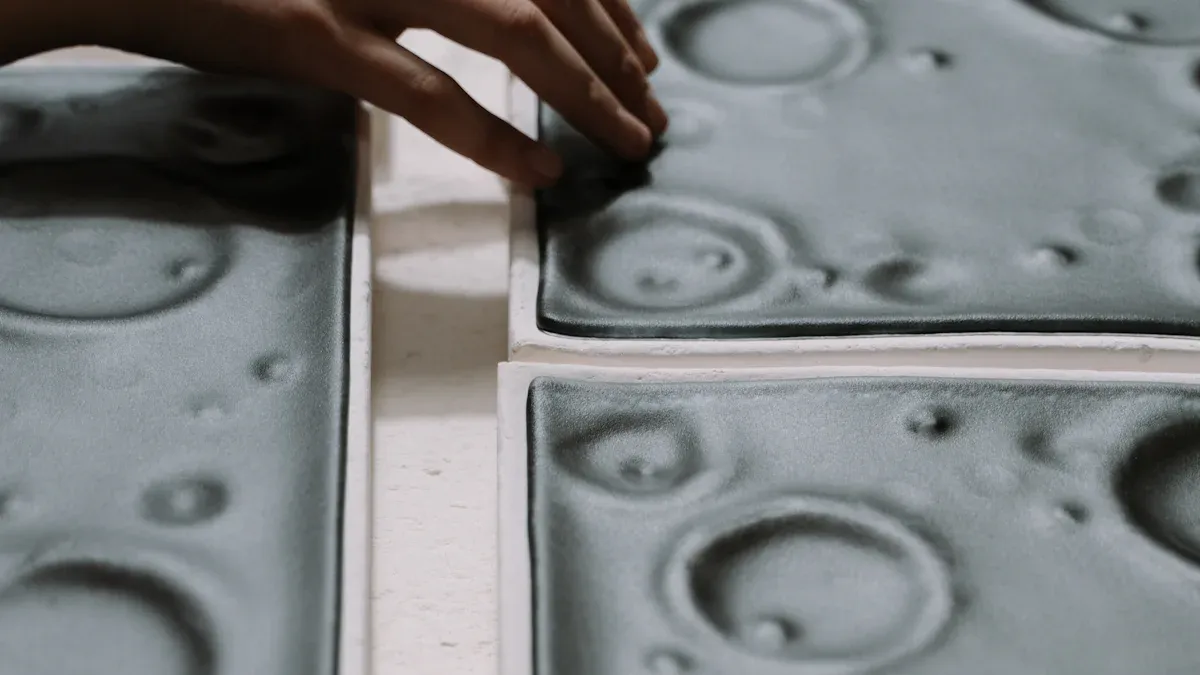 A pressure forming machine uses heat to shape plastic sheets. It combines vacuum and air pressure to make exact, high-quality parts. Pressure forming is different from other thermoforming methods. It gives sharp details and can make complex textures. Manufacturers like this process because it is fast and accurate. Many industries use pressure forming to get the same results every time. These include medical devices, electronics, product packaging, and panels for self-driving cars.
Medical devices
Electronics
Autonomous vehicle panels
Product packaging
Outdoor housings
Pressure forming uses vacuum and air pressure to shape plastic sheets. It makes sharp details and complex textures on the plastic. This method works well with thick plastic. It creates parts that look smooth and clear. These parts look like injection molding parts but cost less to make. Modern pressure forming machines have smart controls and strong power. They make parts that are precise and always the same. The parts can have fine details. Pressure forming is great for medical, automotive, packaging, and electronics industries. These industries need strong, detailed, and nice-looking plastic parts. Picking the right machine is important. Features like precise pressure control and programmable settings help a lot. They help manufacturers save time and reduce waste. They also help make high-quality parts.
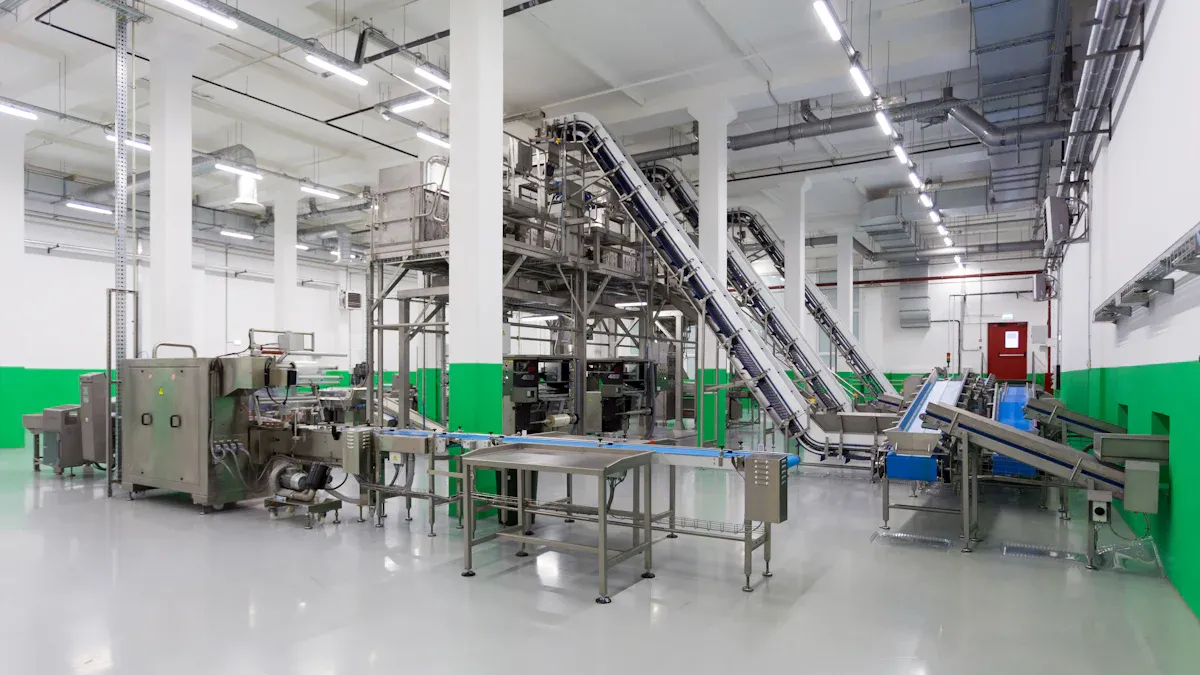
Pressure forming is a special way to shape plastic. It uses both vacuum and air pressure at the same time. The pressure forming machine works by pulling air out from under the plastic sheet. At the same time, it pushes air down from above. This makes the plastic press tightly against the mold. Because of this, the plastic gets sharp corners and fine details. It can even have complex textures. The parts made by pressure forming look smooth and clear, like injection molding. But it costs less to make the molds and takes less time. Many companies use pressure forming when they need strong parts with lots of detail.
Pressure forming has several steps to make sure each part is good:
The plastic sheet goes on top of the mold.
The sheet is heated until it gets soft.
Vacuum pressure pulls the sheet onto the mold.
Air pressure pushes down from above at the same time.
The plastic stays pressed until it cools and hardens.
The finished part is taken off and extra plastic is cut away.
Using both vacuum and air pressure lets the machine work with thick plastic. It also helps make parts with detailed logos and patterns. Other thermoforming methods cannot make parts with this much detail or such a nice finish.
Tip: Using both vacuum and air pressure helps make parts with sharper edges and more complex shapes than just using vacuum forming.
A pressure forming machine has important parts that help it work well every time:
Mold: The mold gives the part its shape. It is made from strong steel or aluminum. The mold is made very carefully so it is the right size. Special coatings help the mold last longer and look smooth.
Heating System: The heating system warms the plastic sheet evenly. It uses electric or infrared heaters. Sensors check the temperature to keep it just right.
Pressure System: This system uses hydraulic or pneumatic parts to push the plastic. It makes sure the plastic fits the mold and shows every detail.
Control System: Computers or controllers manage the heat, pressure, and timing. The controls are easy to use. Operators can change settings for different plastics or parts.
Valves, Cylinders, and Rods: These parts help move fluids and control the machine. They make sure the pressure is smooth and steady. Good engineering helps them last a long time.
| Aspect | Pressure Forming Machine Components | Other Thermoforming Equipment (Vacuum Forming) |
|---|---|---|
| Air Pressure Mechanism | Uses pressurized air (up to several atmospheres) and air vents for detail | Relies solely on vacuum suction; no pressurized air |
| Mold Type | Typically uses female molds for intricate surface details | Commonly uses male molds for less detailed applications |
| Material Thickness | Handles thicker plastic sheets (up to 5mm) | Generally uses thinner sheets |
| Detail and Texture | Enables higher detail, texture, and finer surface finish | Less capable of replicating fine details and textures |
| Precision and Tolerances | Produces parts with tighter tolerances and sharper features | Parts have less precision and detail |
Pressure forming machines are not the same as other thermoforming machines. They use special systems to add and control air pressure. This lets them use female molds and thicker plastic sheets. They can make parts with better detail and tighter fits. This process is great for industries that need strong and good-looking parts.
Modern pressure forming machines use new technology for better power and control. Many changes have made these machines work better over time:
Load sensing technology helps pumps give just the right amount of power. This saves energy and makes the machine stronger.
Electronic controls and joysticks are now used instead of old hydraulic systems. Operators can move the machine more smoothly and with more accuracy.
Servo-driven hydrostatic drives let machines change how they work fast. They can be set up for different jobs.
Machines now work at higher pressures, up to 7,000 psi. Smaller machines can now give more power and torque.
New software lets users pick how the machine works, save data, and set up profiles. These tools make the machines easier to use and more helpful.
Modular actuators have motors and pumps inside cylinders. They can be controlled without wires and give even more power.
These new features help machines make shapes with lots of detail. Operators can change settings for different plastics or designs. Industry 4.0 ideas, like big data and remote checks, have made pressure forming a top choice for making plastic parts.
Pressure forming is great for making parts with sharp details and close fits. It uses air pressure to push hot plastic into molds. This way, the parts have better details and are more exact than with vacuum forming. Companies pick pressure forming when they want parts with sharp edges, clear logos, or special textures.
| Feature | Typical Tolerance |
|---|---|
| Formed measurements | ±0.020 inches |
| Drilled hole diameter | ±0.005 to ±0.010 inches |
| Slots/robotic trimming | ±0.020 inches |
Pressure forming makes sure every part is the same each time. The process keeps pressure on the plastic as it cools. This pushes more plastic into the mold and stops problems. The pressure keeps the plastic close to the mold wall, which helps it cool faster. Operators set how long to hold the pressure until the gate freezes. This makes sure every part has the same weight and quality. By doing these steps, companies make parts that always meet high standards.
Pressure forming and vacuum forming are both types of thermoforming. But they work in different ways and give different results. Vacuum forming uses suction to pull hot plastic over a mold. Pressure forming uses air pressure, sometimes with vacuum, to push plastic into the mold. Because of this, each method makes parts that look and feel different.
| Aspect | Vacuum Forming | Pressure Forming |
|---|---|---|
| Shaping Method | Uses suction (vacuum) to pull heated plastic onto mold | Uses positive air pressure (sometimes with vacuum) to push plastic into mold |
| Material Thickness | Typically up to 5mm | Can handle thicker sheets, up to 10mm or more |
| Detail Resolution | Suitable for large, simple parts with rounded edges | Produces finer details, sharper edges, complex geometries |
| Tooling Costs | Lower, often cast aluminum molds | Higher, typically machined aluminum molds |
| Production Speed | Faster cycle times, cost-effective for low to medium volume | Slower cycle times, better for medium to high volume with detail needs |
| Typical Applications | Packaging, automotive parts, large simple components | Medical devices, consumer products, detailed transportation interiors |
| Material Selection | Broad range: PC, PP, PVC, PETG, ABS, HIPS, Acrylic | Often uses TPO, HIPS, ABS for detail and durability |
| Process Steps | Heating, vacuum molding, cooling, trimming | Heating, pressure molding (with vacuum), cooling, precise trimming |
| Output Characteristics | Large, simple, cost-sensitive parts | Detailed, complex, durable components |
Pressure forming is best when you need sharp edges and tight fits. It works well with thick plastic and tricky shapes. Many companies use pressure forming for covers, bezels, and parts that people see.
Tip: Pressure forming makes parts with smooth textures and even walls. This is great for strong parts that also look nice.
Pressure forming and injection molding both make detailed plastic parts. But they are used for different jobs. Pressure forming uses molds with only one side. This makes the molds cheaper and faster to make. Injection molding uses molds with two sides made from steel. These molds cost more but can make more shapes and lots of parts.
| Factor | Pressure Forming (Thermoforming) | Injection Molding |
|---|---|---|
| Tooling Cost | Lower due to use of aluminum or composite molds; single-sided tooling reduces material and fabrication time. | Higher due to steel molds; double-sided tooling requires more material and precision. |
| Production Speed | Faster mold fabrication enables quicker prototyping and small batch production. | Slower mold fabrication but faster cycle times for large volume runs. |
| Part Complexity | Produces sharper corners and details than vacuum forming but less complex than injection molding; limited in intricate designs and variable thickness. | Suitable for highly detailed parts with variable thickness, sharp angles, and complex geometries. |
Pressure forming is good for medium or big parts that need sharp details. Injection molding is better for very detailed parts and huge numbers of parts.
Picking the right thermoforming method depends on what you need. Pressure forming is best when:
The part needs fine details, sharp corners, or special textures.
The design uses thick plastic, up to 10mm or more.
You need many parts and can pay more for better molds.
The parts are for medical devices, consumer goods, or car interiors where looks matter.
The project needs even wall thickness and strong, tough parts.
Vacuum forming is good for big, simple parts and small batches. Injection molding is best for lots of small, detailed parts. By knowing these differences, companies can pick the best way to make their parts.
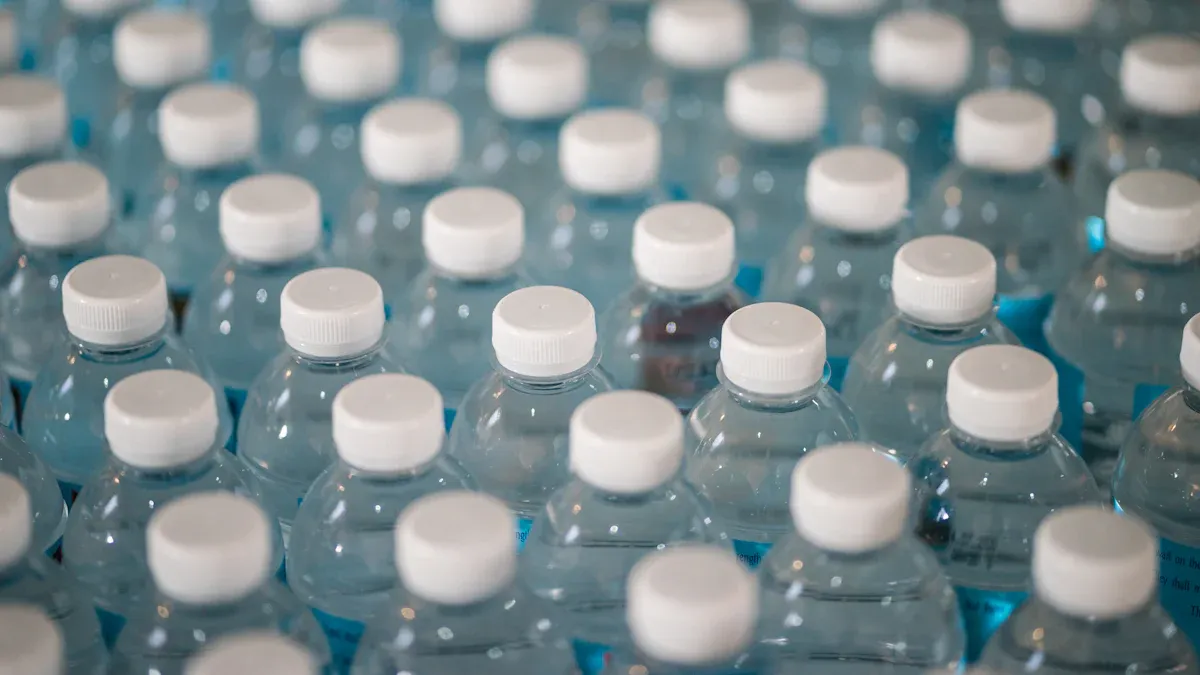
Pressure forming machines help make many different things. Companies use them to make parts that need to look good and last long. These parts often need fine details. Some common things made this way are equipment panels, tubing, bezels for screens, and covers for kiosks or vending machines. These parts can have special shapes. They can also have textures or logos right on them.
Many industries use pressure forming machines, such as:
Automotive
Construction
Farm equipment
Furniture
Material handling
Medical
Recreational vehicle
Refrigeration
Shipping trays and pallets
Telecommunications
Transportation
Water and filtration
Aerospace
In medicine, pressure forming makes parts that are exact and safe. These medical parts are light and easy to clean. They help stop germs from spreading. In cars, pressure forming makes dashboards, door panels, and trunk trays. These car parts fit together well and look nice. The aerospace field uses pressure forming to make strong, light parts for inside planes.
Thermoforming is used in many fields. Packaging is one of the biggest uses. Pressure forming lets companies make special shapes for packages. It also helps make tricky designs. This process saves money on tools and is fast. It works well for making a small or medium number of items. Packages made this way have sharp lines and bright colors. They keep things safe and look good too.
Pressure forming is used to make clamshells, blisters, and trays. These are used for electronics, medical tools, and food. These packages keep things safe and look nice on shelves. They are also tough and can handle bumps during shipping.
Note: More companies are using pressure forming. They want better quality, stronger protection, and new designs for their products.
Picking the right pressure forming machine helps make good parts fast. Manufacturers should find machines with important features. These include:
Precise pressure control systems help make parts the same every time.
Programmable settings let you use different plastics and designs.
Automated mold handling makes work faster and easier for workers.
Exceptional detail reproduction helps create tricky shapes and textures.
Enhanced material strength comes from using high pressure.
Versatile applications mean the machine works in many industries.
Efficient production processes help save time and money.
High-quality surface finishes give parts a smooth, clean look.
Cost-effective manufacturing cuts down on waste and extra steps.
Tip: Machines with multi-zone heaters and programmable temperature controls stop bad sheet drape and help each part turn out better.
A strong heating system with smart controls heats the plastic evenly. This stops problems and helps copy the mold well. Machines with touch screens let workers watch and change settings right away. This keeps parts the same and lowers mistakes.
Manufacturers should pick the right automation for how much they make. Manual or semi-automatic machines are good for small jobs. Fully automated machines are best for making lots of parts. The machine must work with plastics like ABS, PETG, or polypropylene.
Think about the forming area and controls for the part’s size and shape. Advanced pressure forming or multi-axis features help make parts more exact. Automation like loading, unloading, and trimming saves time and work.
Cost, upkeep, and growing the business are important too. Checking heaters and cleaning molds keeps machines working well. Companies should choose machines that fit now but can handle more work later.
Working with a trusted supplier who gives design help and custom options helps your business do well and keeps machines running right.
Pressure forming machines give strong power and make parts very exact. They can make big parts with sharp lines and clear details. Companies like them because they can test ideas fast and spend less on tools. The parts also turn out the same every time.
Pressure forming works with many materials and tricky shapes.
This technology helps use less plastic and makes things faster.
In the future, machines will have smart controls, more robots, and use greener materials.
Experts can look at new machines and tools to make better plastic parts and keep leading in their field.
Pressure forming machines can use many types of plastic. Some common ones are ABS, HIPS, PETG, and polycarbonate. Each plastic has its own strength, look, and bendiness. Operators pick the right plastic for how the part will be used and how it should look.
Pressure forming makes parts with sharper edges and better textures. The extra air pressure pushes the plastic deeper into the mold. This helps show small logos, patterns, and tricky shapes very clearly.
Yes, pressure forming machines can make big parts. Many companies use them for panels, covers, and trays. The machines work with thick plastic sheets and keep details even on large surfaces.
Setup time changes based on the part and mold. Most machines have controls that let you change jobs fast. Operators can switch from one job to another in just a few hours. This makes it easy to make different parts quickly.
Medical, automotive, packaging, and electronics companies use pressure forming. These groups need strong, detailed, and nice-looking parts. Pressure forming helps them meet tough rules for quality and looks.


