
Views: 0 Author: Site Editor Publish Time: 2026-08-21 Origin: Site
Scaling production presents a massive capital expenditure challenge. You must choose equipment carefully to protect long-term profitability. Choosing the wrong machine type quickly leads to disaster. Manufacturers constantly face severe production bottlenecks or suffer from wasted capacity due to over-capitalization. They wrestle with this complex procurement decision daily.
The optimal choice requires striking a delicate, data-driven balance. You must quantify your production volume, tooling changeover frequency, and facility floor space accurately. Achieving a positive return on investment relies entirely on getting these variables right. By analyzing distinct architectural approaches, you can future-proof your manufacturing lines against unpredictable market shifts.
This guide simplifies your procurement journey. We will evaluate how a Single Station vs Multistation Thermoforming Machine impacts your factory floor operations. You will learn about financial viability, operational complexity, and application-specific demands. We aim to equip you with the deep knowledge needed for a confident, highly profitable purchasing decision.
Single Station Thermoforming Machines excel in low-to-medium volume runs, thick-gauge applications, and facilities requiring frequent, low-cost tooling changeovers.
Multistation Thermoforming Machines (typically 3- or 4-station) dominate high-speed, thin-gauge packaging (e.g., cups, trays) where unit-cost reduction and maximum throughput justify the higher initial CAPEX.
The tipping point for upgrading to a multistation system is rarely just throughput; it hinges on labor costs, scrap reduction rates, and product mix stability.
Tooling economics play a massive role: multi-station molds are highly engineered and expensive, making them poor choices for volatile, short-run product lines.
A Single Station Thermoforming Machine processes rigid plastic sheets in one centralized zone. Heating, forming, and trimming typically occur within the same physical footprint. The mechanism relies on a sequential, step-by-step cycle. The machine clamps a pre-cut sheet, moves it under a radiant heater, forms the part over a mold, and finally cools it. You will notice it operates within a single, highly sturdy frame designed to withstand heavy forces.
This specific workflow dictates a deliberate pacing. Since actions happen sequentially, cycle times naturally run longer. We often see this pacing suit heavy-gauge plastics beautifully. It performs perfectly for deep-draw industrial parts where material flow needs careful control. Automotive dashboard panels, large refrigerator liners, and aerospace components rely heavily on this sequential precision. It dominates prototype testing through mid-volume manufacturing runs.
Best Practice: Always monitor your heating zones uniformly. Heavy-gauge sheets can warp severely if localized ceramic heating elements degrade over time.
A Multistation Thermoforming Machine transforms raw plastic rolls into finished products rapidly. The material indexes continuously through distinct, dedicated stations via a precise chain track. The plastic web travels from a long oven station directly into a high-pressure forming station. Next, it moves to punching or steel-rule trimming, and finally enters an automated stacking magazine.
This inline design relies on simultaneous operations. While one segment undergoes forming, the previous segment gets trimmed. The subsequent segment heats up simultaneously in the oven. This synchronized orchestration creates blazing-fast pacing, often achieving dozens of cycles per minute.
We highly recommend this architecture for thin-gauge roll materials. It excels in high-volume consumer packaging and food containers. Inline systems handle millions of beverage cups or clamshell trays effortlessly. They integrate perfectly into fully automated, downstream packaging lines.
Common Mistake: Failing to tune servo motors properly during setup. Minor misalignments here cause catastrophic material jams, leading to hours of lost production.
High-mix, low-volume (HMLV) manufacturing environments thrive on single station equipment. When you produce small batches of varied parts, flexibility becomes vital. You completely avoid the massive setup times associated with larger inline systems. Operators can swap molds and resume production rapidly.
You must specify this machine type for specialized, thick-gauge forming. Large parts require extensive heating times and robust deep-draw vacuum capabilities. Single stations handle these thick, sheet-fed plastics seamlessly. Ideal applications include:
Heavy-duty agricultural equipment cowlings.
Custom automotive fascias and bed liners.
Large industrial protective enclosures.
Custom manufacturers and contract houses love this operational flexibility. In these volatile business models, rapid adaptability easily outweighs raw processing speed. You can accept diverse, short-run jobs without risking massive downtime during tooling swaps.
High-volume, low-mix (HVLM) environments demand multistation capability. You absolutely need this advanced technology when producing millions of identical items monthly. The sheer volume justifies the complex equipment.
Commodity packaging markets operate on incredibly thin margins. Your competitive advantage relies heavily on raw speed. You must reduce the absolute cost-per-part to survive. Multistation systems achieve these aggressive financial targets through relentless throughput. Ideal high-volume applications include:
Disposable PET beverage cups and lids.
Polypropylene microwaveable food trays.
Horticultural seedling trays and pots.
Strict hygiene and compliance applications also benefit immensely. Medical packaging and food-grade containers require minimal human contact. Automated stacking directly out of the multistation machine prevents contamination. Untouched, sterile handling ensures you meet rigorous industry ISO standards flawlessly.
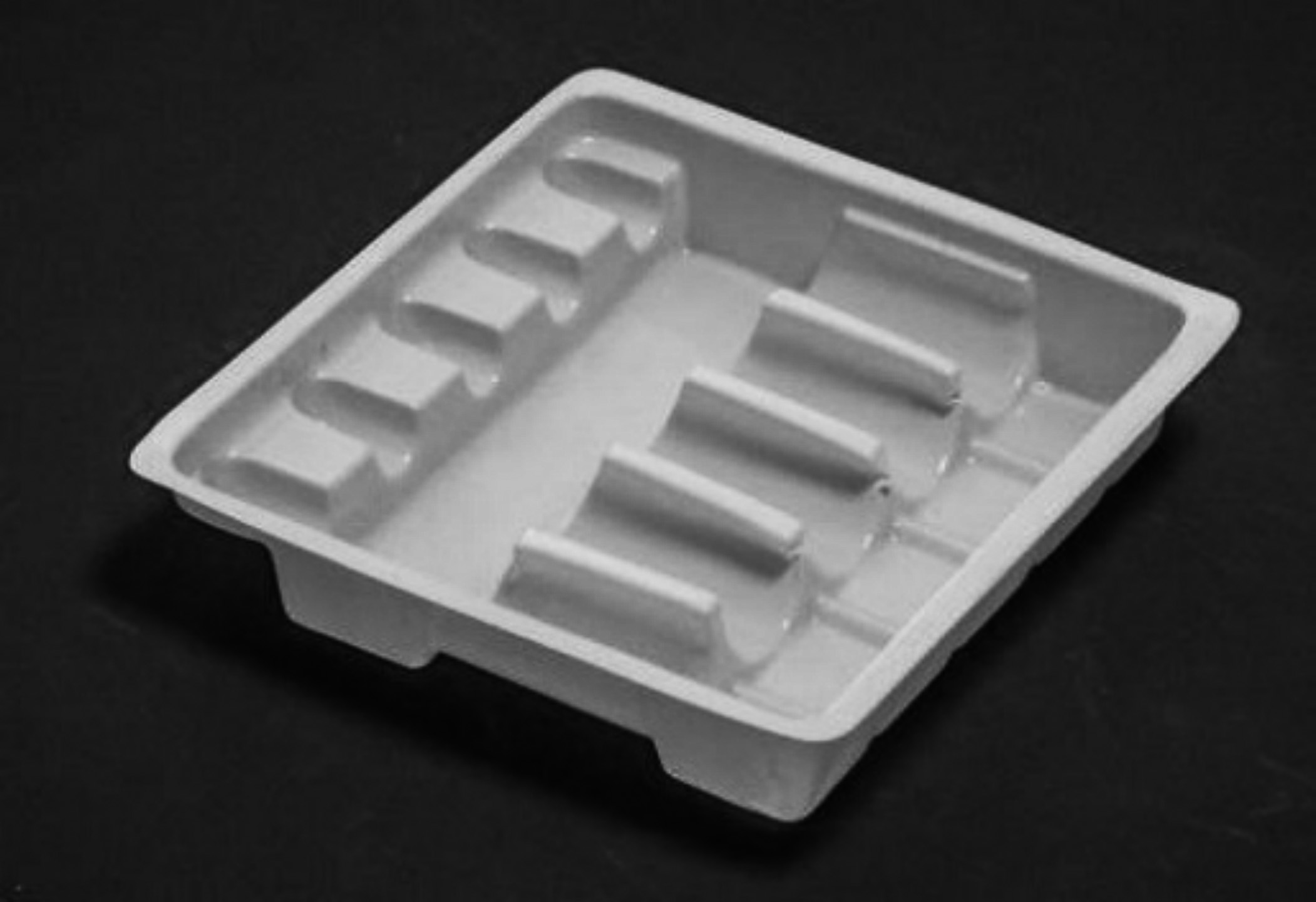
We must acknowledge the steep acquisition cost of inline equipment. A multistation machine costs significantly more than a single station unit. You pay heavily for multiple independent servo presses, advanced PLC controllers, and integrated stacking automation. The base sticker price reflects this massive engineering effort.
However, you must also budget for hidden infrastructure costs. Multistation lines require substantial facility upgrades. You will need extensive linear floor space. They demand higher power drops to feed multiple, long heating banks. Additionally, you must install heavier, high-capacity chilling systems to cool the complex molds rapidly. Overlooking these auxiliary CAPEX requirements derails many procurement budgets.
Tooling economics dictate your ultimate success or failure on the factory floor. Single station tooling remains significantly cheaper to design and produce. Machine shops can cut these aluminum molds faster, requiring far less complex engineering. Some prototype molds even utilize composite materials or wood.
Conversely, multistation tooling demands highly engineered matched sets. You need a synchronized form tool, a hardened steel trim tool, and a custom stacking magazine. This mechanical complexity results in exceptionally high upfront costs. You can only justify this tooling expense if the product lifecycle spans millions of cycles. Short-run products will never recoup the cost of a premium multi-station mold set.
Evaluating energy consumption reveals interesting scaling dynamics. At low production volumes, single stations consume less absolute power. However, multistation systems prove far more energy-efficient per formed unit at massive scale. Continuous roll heating wastes less energy than batch-heating individual sheets.
Scrap rates significantly impact your OPEX. Multistation setups typically achieve tighter tolerances during inline punch trimming. This precision reduces material waste dramatically. When you extrude and form miles of plastic daily, a mere two percent scrap reduction saves thousands of dollars annually.
Labor offsets directly impact your long-term ROI. Automated stacking in multistation lines reduces manual headcount per shift. You remove operators from tedious trimming and packing duties. Lowering labor dependency stabilizes your final cost-per-part during unpredictable market fluctuations.
Evaluate your facility layout constraints carefully before purchasing. Single station machines boast a compact, highly centralized footprint. They fit easily into older facilities, tight corners, or crowded shop floors. You rarely need to rearrange your entire factory to accommodate one.
Multi-station lines require substantial linear footage. They often stretch forty to sixty feet across a facility. You must account for massive unwinding rolls at the front end. You need extensive material handling space at the back end. Furthermore, you must dedicate clear zones for skeleton grinding and plastic recycling. Ensure your facility can support this sprawling physical footprint safely while allowing forklift access.
Single station units are fundamentally easier to operate. Your existing maintenance team can troubleshoot them using standard mechanical and electrical knowledge. Operators learn the straightforward sequential workflow quickly, reducing training friction and onboarding delays.
Multistation equipment presents steep technical hurdles. It requires advanced PLC programming knowledge and sophisticated troubleshooting skills. Precise servo-motor synchronization keeps the fragile plastic web indexing flawlessly. You need highly skilled, premium technicians on staff to prevent catastrophic downtime. If a high-speed inline system jams, untrained operators will struggle to clear complex faults quickly.
Address the harsh reality of production changeovers honestly. Multi-station changeovers can easily consume an entire shift. Technicians must align complex tool sets perfectly across multiple independent presses. Even minor misalignments cause poor edge trimming or severe material tearing. Calibrating the heating zones for a new material thickness takes considerable time.
In contrast, single station swaps execute rapidly. A single operator can change a basic mold plate in under an hour. If you run fifty different SKUs a month, this mechanical agility keeps your spindles turning and revenue flowing.
Use this structured framework to navigate your procurement process logically. Following these steps prevents emotional purchasing and aligns your equipment directly to your financial goals.
Calculate Minimum Viable Volume: Define the exact production threshold where your current single station becomes a severe bottleneck. Analyze your cycle times against annual client demand. Once overtime labor costs exceed equipment financing costs, you have reached the tipping point.
Audit Your Product Mix: Assess where your revenue actually originates. Do three standard products generate eighty percent of your sales? This scenario heavily favors multistation investments. Conversely, if you rely on fifty custom, short-run SKUs, stick to single station flexibility.
Map the Lifetime Tooling Cost: Factor in expected tooling expenses over a five-year horizon. Do not just look at the machine sticker price. Calculate the cost of replacing or adding ten new molds. High mold costs quickly negate the benefits of faster cycle times on short-run jobs.
Vendor Evaluation: Ensure the OEM provides robust local support. Spare parts availability dictates your overall uptime. Comprehensive operator training becomes critical when upgrading to complex multi-station technology. Ask vendors about remote diagnostic capabilities.
Operational Comparison Between Thermoforming Machines
Feature / Metric | Single Station | Multistation (Inline) |
|---|---|---|
Volume Sweet Spot | Low to Medium (HMLV) | High to Ultra-High (HVLM) |
Material Input | Thick-gauge rigid sheets | Thin-gauge continuous rolls |
Tooling Cost | Low (Simple aluminum/composite) | High (Matched steel sets) |
Facility Footprint | Compact & localized | Extensive linear length |
Changeover Speed | Fast (Under an hour) | Slow (Hours to a full shift) |
Required Operator Skill | Standard mechanical knowledge | Advanced PLC & servo expertise |
Neither machine type reigns objectively better across all manufacturing scenarios. The final choice remains a strict engineering and financial calculation. You must base this critical decision on application requirements, overall production volume, and product mix volatility.
We advise choosing a single station system for maximum agility and lower financial risk on custom, heavy-gauge runs. Conversely, we strongly advise multistation systems for securing absolute dominance in commodity, high-volume thin-gauge packaging markets.
Stop guessing with your capital budget. Request a thorough operational audit from an industry expert today. Speak directly with an application engineer to evaluate your specific product lines. Always submit your raw material samples for accurate cycle-time testing before signing any purchase orders.
A: A multistation system runs significantly faster due to simultaneous processing. While a single station performs heating, forming, and cooling sequentially on one sheet, an inline machine indexes a continuous web. It forms one part while simultaneously heating the next and trimming the previous. This parallel workflow slashes cycle times drastically, often achieving 30 to 50 cycles per minute, whereas sequential setups might only complete a few cycles per minute.
A: Generally, no. Manufacturers design multistation equipment for thin-gauge, roll-fed plastics typically ranging from 0.2mm to 2mm thick. The continuous indexing mechanism requires flexible material capable of unwinding from a spool. Heavy-gauge materials, which often exceed 3mm in thickness, arrive as rigid, pre-cut sheets. You must process these thick, rigid sheets on single station machines equipped with heavy-duty clamping frames and deep-draw capabilities.
A: The return on investment heavily depends on your machine utilization rate and labor offsets. Typically, manufacturers see a realistic ROI period of 18 to 36 months. You achieve this rapid payback by slashing your labor headcount through automated stacking and drastically reducing your cost-per-part at high volumes. If your production lines sit idle frequently, this ROI period extends significantly.
A: Tooling remains rarely interchangeable between these two distinct platforms. They utilize entirely different mold bases, mounting mechanisms, and internal cooling configurations. Single station molds often employ simple vacuum forming structures. In contrast, multistation tooling requires complex, highly engineered matched sets. You need a dedicated form tool, a synchronized trim tool, and an integrated stacking magazine to run an inline machine properly.


