
Views: 0 Author: Site Editor Publish Time: 2025-11-19 Origin: Site
Twin sheet thermoforming uses two hot plastic sheets. This makes strong, hollow, and double-sided parts. You see this process used for medical devices. Hollow shapes help you design light and exact parts. Safety and cleanliness are very important in healthcare. Thermoforming helps meet tough rules. You notice twin sheet thermoforming is needed for strong and clean products.
Twin sheet thermoforming makes strong and light parts for medical devices. It uses two heated plastic sheets. The process lets you make double-sided designs. This makes devices easier to clean. It also makes them more comfortable to use. Twin sheet thermoforming uses less material. It also makes things faster to produce. This saves time and money. This method meets strict hygiene and safety rules. It helps make medical devices safe and reliable. Picking the right materials is important. Keeping good quality control is also needed for twin sheet thermoforming to work well.
You start the twin sheet thermoforming process by choosing the right plastic for your medical device. The material you pick must be strong and safe for healthcare use. Next, you heat two sheets of this plastic until they become soft and flexible. When both sheets reach the right temperature, you place them into matching molds. These molds shape the sheets into the form you need.
After placing the sheets in the molds, you bring the molds together. High pressure pushes the sheets to fit the mold shapes exactly. This step forms a double-walled part with a hollow space inside. The part cools while still in the molds, which helps it keep its shape and strength. Once the part cools down, you remove it from the molds. You may need to trim or finish the part to make sure it meets your needs.
Tip: Careful control of heat and pressure during the twin sheet thermoforming process helps you get precise shapes and strong parts every time.
Here is a simple breakdown of the steps:
Select the right thermoplastic material.
Preheat two plastic sheets until they are soft.
Place the sheets into matching molds.
Press the molds together to shape the sheets.
Cool the part in the molds.
Remove and finish the part as needed.
Twin sheet thermoforming gives you several important features for medical devices. You can create double-sided parts with smooth surfaces on both sides. This is useful for products that need to look good and feel comfortable to touch. The process also lets you make hollow structures, which means your parts can be strong but still lightweight.
You get uniform wall thickness throughout the part. This helps your device stay strong and reliable. Forced air can help shape the plastic more precisely, so you can add details or special features where you need them. You can even use two different colors or materials for each side of the part.
Here is a table showing some key features and what they mean for your medical device:
| Feature | What It Means for You |
|---|---|
| Double-sided design | Smooth, clean surfaces on both sides |
| Hollow structure | Lightweight but strong parts |
| Uniform wall thickness | Reliable and sturdy devices |
| Forced air forming | Precise shapes and fine details |
| Two-color capability | Custom look and easy identification |
Twin sheet thermoforming stands out in medical manufacturing because it helps you make parts that are both strong and light. You can design products that meet strict hygiene rules and still look professional. The process works well for many types of medical devices, especially when you need a double-walled part with exact shapes and features.
Medical devices need to be strong and easy to use. Twin sheet thermoforming helps make this happen. The process makes hollow parts with double walls. These parts are light but can handle pressure. You can move these devices without trouble. The hollow design helps absorb bumps. This keeps important equipment safe inside.
Parts made this way last a long time. Double walls give extra support. Devices can handle busy hospital use every day. You do not have to worry about cracks or breaks often. The light weight makes it easy for patients and staff to carry things.
Twin sheet thermoforming lets you make parts smooth on both sides. This makes devices look nice and feel good. You can add details or textures to both sides. This helps make products easy to clean and comfortable to touch.
You can pick two colors or materials for each side. This helps match your brand or make devices easy to spot. For example, one color can be outside and another inside. This helps staff find the right device fast.
Here are ways double-sided features help medical device housings:
Capacitive touch interfaces give users an easy way to use devices.
Double-sided designs make devices stronger and easier to clean.
Solid-state panels help stop mistakes and work well with gloves.
These choices help you make devices that look new and work well.
Twin sheet thermoforming lets you control the shape and thickness. You can design special features like channels or mounting spots. This helps parts fit together just right. You do not need extra pieces, so assembly is faster.
The process uses plastic wisely. You only use what you need for each part. This means less waste and saves money. You can change your design without starting over. Twin sheet thermoforming is smart for complex medical devices.
Choosing this method helps keep manufacturing clean and efficient. You get strong, light, and exact parts for modern healthcare.
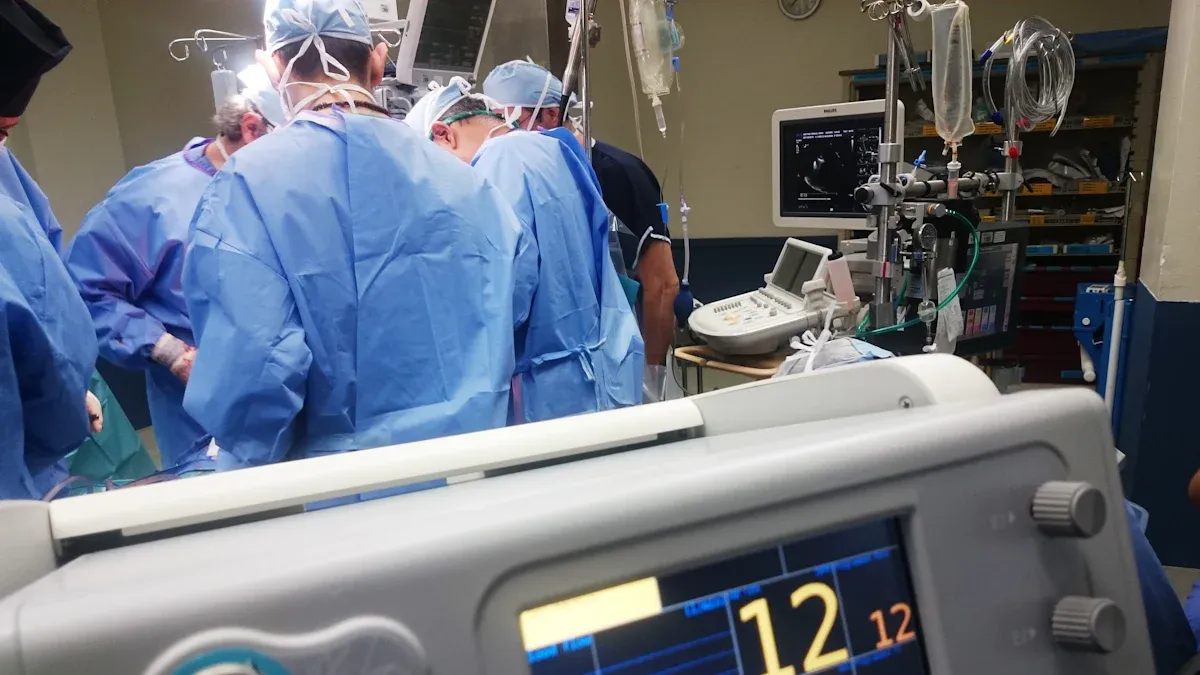
Twin sheet thermoforming helps make safe and strong products for healthcare. You can use this process for many different things. These uses help you follow strict hygiene rules. They also help you make products that last a long time. Here are some common ways twin sheet thermoforming is used in medicine.
Twin sheet thermoforming is used for medical device housings. These housings keep equipment safe from dust and germs. You can design smooth surfaces that are easy to clean. This keeps devices safe for patients and staff. You can add handles or special shapes to make devices easier to use. Hospitals like these housings because they are strong and light.
Sterile packaging is another important use. You need trays and covers to keep tools clean until you use them. Twin sheet thermoforming makes packaging with tight seals and smooth edges. This helps stop contamination. You can design trays with special shapes for each tool. This makes it easy to organize and find tools during surgery or exams.
Note: Clean packaging helps stop infection in every medical place.
Twin sheet thermoforming is used for mobility aids and patient care products. Wheelchair parts, bed panels, and support handles are common examples. These products must be strong but not heavy. The process makes hollow parts that are easy to move. Patients and caregivers like products that feel good and are simple to clean.
Here is a table that shows some main uses and their benefits:
| Application | Benefit |
|---|---|
| Medical device housings | Protection and easy cleaning |
| Sterile trays and packaging | Hygiene and organization |
| Mobility aids and panels | Lightweight and durable |
You can see twin sheet thermoforming is used for many things in healthcare. This process helps with hygiene, strength, and easy use. You get products that work well in busy medical places.
You may wonder about the differences between twin sheet thermoforming and other methods like single sheet forming. With single sheet thermoforming, you heat and shape just one plastic sheet. This works well for simple covers or trays. You get a part with one smooth side and one shaped side. If you need a hollow part or double-sided design, single sheet forming cannot deliver that.
Twin sheet thermoforming lets you create hollow, double-walled parts. You get smooth surfaces on both sides. This method gives you more strength and design options. You can add handles, channels, or even two colors. If your medical device needs to be strong, light, and easy to clean, twin sheet thermoforming gives you more choices.
You might also compare injection molding with twin sheet thermoforming. Injection molding uses melted plastic injected into a mold. This process works well for small, detailed parts and high-volume runs. You get strong parts and less waste because you can recycle leftover plastic. However, injection molding needs expensive steel molds and takes longer to set up.
Here is a table to help you see the differences between twin sheet thermoforming and other methods:
| Method | Advantages | Disadvantages |
|---|---|---|
| Injection Molding | Fast for big runs, strong parts, less waste | High setup cost, slow for new designs |
| Thermoforming | Good for large parts, flexible design | Thin walls only, uses more plastic |
Twin sheet thermoforming stands out when you need large, hollow, or double-sided parts. You can change your design faster and pay less for molds.
You want to know about costs and speed. Thermoforming molds cost less than injection molds. You can use aluminum or composite molds, which are cheaper and easier to change. Lead times for thermoforming are shorter, often just 6-8 weeks. This means you can get your product to market faster.
Tooling costs for thermoforming are much lower.
You can change your design quickly if you need to.
Time to market is faster with thermoforming.
If you need a large, thin-walled part for a medical device, twin sheet thermoforming saves you money and time. You get strong, clean, and custom parts without waiting months for expensive molds.
Tip: Choose the right process by thinking about your part’s size, shape, and how many you need. Each method has its place, but twin sheet thermoforming gives you flexibility and speed for many medical device projects.
You have to follow strict rules when making medical devices. These rules keep patients safe. Groups like the FDA make these rules for design and building. You must use clean rooms and good manufacturing steps. Twin sheet thermoforming helps you follow these rules. The process makes smooth, sealed parts that are simple to clean. This lowers the chance of germs and keeps devices safe in hospitals and clinics.
Always look at the newest rules for making medical devices. Keeping up with changes helps you avoid trouble and keeps your products safe.
Picking the right material is very important. You need plastics that are safe for medical use. These plastics must not react with medicine or cleaners. You should choose plastics that are strong and simple to clean. Traceability means you can track each plastic sheet from the supplier to the finished part. This helps you find and fix problems fast if something goes wrong.
Only use approved plastics for medical devices.
Keep records for every batch of material.
Make sure you can trace each part back to where it came from.
Quality control keeps your products safe and reliable. During twin sheet thermoforming, you check each part to meet your standards. You watch temperature and pressure to keep things steady. In-line inspection systems find problems right away. Statistical process control helps you keep parts the right size.
Here is a table that shows some common quality control steps:
| Quality Control Measure | Description |
|---|---|
| Temperature and Pressure Monitoring | Checks quality by watching temperature and pressure closely. |
| In-line Inspection Systems | Finds problems fast, so you waste less and keep quality high. |
| Statistical Process Control | Makes sure parts stay the right size during production. |
You can trust these steps to help you make safe and strong medical devices. Good quality control means fewer recalls and better results for patients.
You get lots of good things with twin sheet thermoforming for medical devices. This process makes parts that are light, strong, and made just for you. These parts also meet tough safety and cleanliness rules. The table below lists the main benefits:
| Advantage | Description |
|---|---|
| Customization | Special designs and branding for your devices |
| Lightweight Designs | Easy to carry but still very strong |
| Cost Reduction | Less money spent on tools and materials |
| Faster Production | You get your medical parts quickly |
Twin sheet thermoforming helps bring new ideas to healthcare. You will see more cool changes as hybrid manufacturing and advanced thermoforming make even better medical devices.
You should use plastics like ABS, polycarbonate, or HDPE. These materials give you strength, easy cleaning, and safety for medical use. Always check if the plastic meets medical standards before you choose it.
You get smooth, sealed surfaces on both sides. This design makes cleaning easy and helps stop germs from hiding in cracks. Hospitals trust these parts for safe, sterile environments.
Yes, you can recycle many thermoformed parts. You should check the type of plastic first. Some medical plastics need special handling. Always follow your local recycling rules.
You can get new parts in a few weeks. Tooling is quick and changes are easy. This speed helps you launch new medical devices faster than with other methods.
Twin sheet thermoforming gives you double-sided, hollow parts. You get more strength, less weight, and better design options. Single sheet forming cannot make hollow or double-walled parts.


