
Views: 0 Author: Site Editor Publish Time: 2025-07-14 Origin: Site
Manufacturing industries are facing increasing pressure to adopt eco-friendly practices, not only to reduce their environmental footprint but also to meet the growing consumer demand for sustainable products. With this shift toward sustainability, various industries, from automotive to packaging, are now turning to innovative manufacturing processes to help them meet these challenges. One such process, vacuum forming, is evolving by incorporating more eco-friendly materials into production.
In this article, we will delve deeper into the growing trend of using eco-friendly materials in vacuum forming. We will explore how Vacuum Forming Machines are adapting to handle these materials, the environmental benefits they bring, and how manufacturers can use them to stay ahead in the market. Whether you're a manufacturer or a business looking to innovate with sustainable practices, this post will provide you with valuable insights into the future of vacuum forming and its impact on the environment.
Manufacturers are increasingly realizing the need to adopt sustainable production processes, driven by consumer demand and regulatory pressures. In fact, a growing number of industries are embracing eco-friendly materials in an effort to mitigate climate change and reduce their reliance on non-renewable resources. Sustainable practices are no longer just a trend; they are becoming essential for businesses looking to thrive in a competitive marketplace.
The introduction of eco-friendly materials in manufacturing processes like vacuum forming reflects this broader trend. Materials that are recyclable, biodegradable, or derived from renewable resources are becoming key players in the vacuum forming process. These materials align with global sustainability goals and offer manufacturers an effective way to reduce environmental impact while still maintaining production efficiency.
The Vacuum Forming Machine plays a crucial role in enabling manufacturers to adopt these eco-friendly materials in production. This versatile machine uses heat and pressure to shape thermoplastic sheets over molds, creating a variety of products. Traditionally, vacuum forming relied on materials like polystyrene, ABS, and PVC, but with the rising demand for eco-friendly alternatives, manufacturers are now looking to switch to more sustainable materials without compromising quality.
The latest Vacuum Forming Machines are specifically designed to accommodate a broader range of eco-friendly materials, ensuring that manufacturers can continue to produce high-quality products while reducing their carbon footprint. These advancements make it possible to produce lightweight, durable, and recyclable products without the environmental drawbacks associated with traditional plastics.
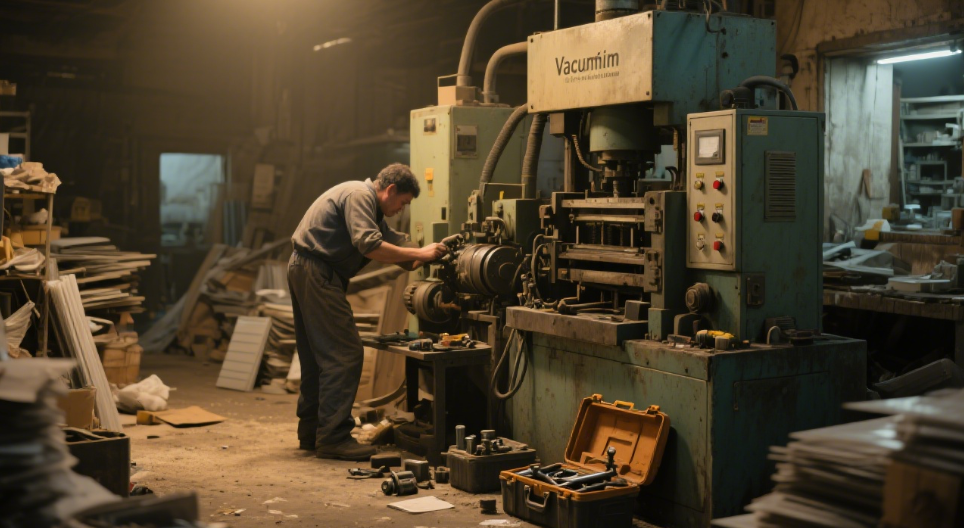
Biodegradable plastics are one of the most significant breakthroughs in the shift toward sustainability in manufacturing. Made from renewable sources such as corn starch or sugarcane, Polylactic Acid (PLA) is a commonly used biodegradable material in vacuum forming. PLA is an excellent alternative to conventional plastics because it decomposes faster and is less harmful to the environment.
PLA-based products are ideal for applications in packaging, medical devices, and consumer goods. The Vacuum Forming Machine is adaptable enough to process PLA, ensuring that the material remains flexible, durable, and easy to work with during the manufacturing process. Additionally, PLA's biodegradable properties mean that the environmental impact of products made from PLA is significantly reduced when they reach the end of their lifecycle.
Environmentally friendly: PLA decomposes faster than traditional plastics, helping reduce waste.
Renewable resources: Made from plant-based sources, reducing reliance on fossil fuels.
Reduced landfill waste: Products break down more easily, reducing the strain on landfills.
The use of recycled plastics in vacuum forming is becoming increasingly common. Materials such as Polyethylene Terephthalate (PET) and Polypropylene (PP) are widely used for producing vacuum-formed products because they are highly recyclable and cost-effective. In fact, many food and beverage packaging manufacturers are now utilizing recycled PET to reduce the need for new plastic materials.
Incorporating recycled materials into the vacuum forming process helps reduce waste and conserves valuable resources. Since the Vacuum Forming Machine can easily process recycled plastics, manufacturers can efficiently produce high-quality products while contributing to the circular economy. By using recycled plastics, manufacturers not only meet sustainability goals but also cut costs by reducing the need for virgin plastic materials.
Cost savings: Recycled plastics are often less expensive than new plastic materials.
Conservation of resources: Reduces the demand for virgin plastic production, conserving natural resources.
Energy savings: Recycling plastics consumes less energy compared to producing new plastic from raw materials.
Another exciting trend is the development of bio-based composites that combine renewable materials with biodegradable plastics. These composites, which can include materials like bamboo, hemp, and coconut fibers, are gaining popularity due to their strength, lightweight properties, and minimal environmental impact.
Bio-based composites can be processed using Vacuum Forming Machines, which makes them a practical choice for manufacturing products that require both durability and sustainability. These materials are particularly popular in industries like automotive, where manufacturers are focusing on lightweight components to reduce fuel consumption and enhance vehicle efficiency.
Durability and strength: Provides strong, long-lasting components for a variety of applications.
Lightweight: Ideal for industries like automotive, where reducing weight is crucial for energy efficiency.
Minimal environmental impact: Made from renewable resources, these materials have a lower carbon footprint.
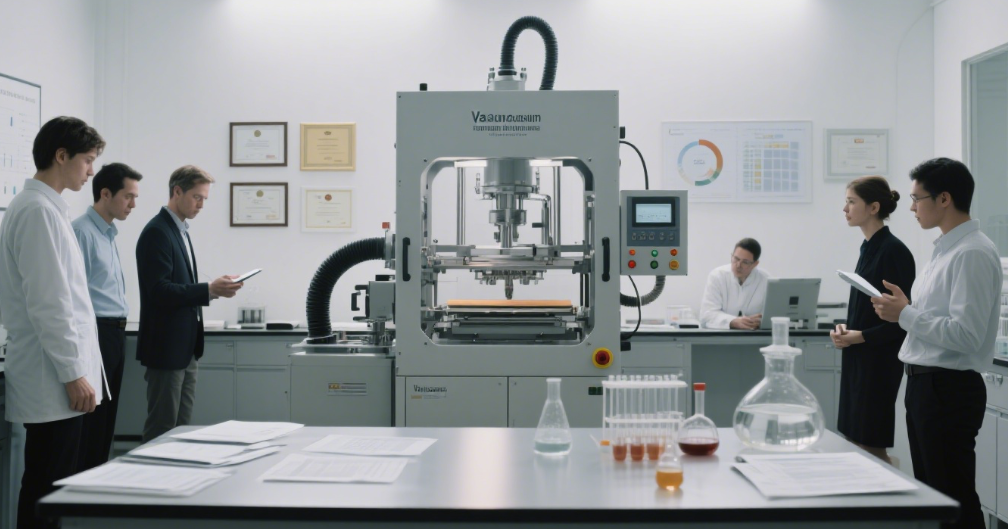
One of the most significant benefits of adopting eco-friendly materials in vacuum forming is the reduction in carbon emissions. Materials like PLA, recycled PET, and bio-based composites have a smaller carbon footprint during production compared to traditional plastics. The Vacuum Forming Machine enables manufacturers to produce products with these materials without compromising on quality or precision.
Using these eco-friendly materials in production not only helps reduce carbon emissions but also supports the global movement toward sustainability. As manufacturers continue to prioritize environmentally responsible practices, vacuum forming will play an essential role in helping industries meet their sustainability goals.
Lower carbon emissions: The production of biodegradable and recycled plastics produces fewer greenhouse gases.
Energy efficiency: Eco-friendly materials often require less energy to produce and process.
Reduced pollution: Using renewable and recyclable materials helps reduce plastic waste and environmental pollution.
Plastic waste in landfills has become one of the most pressing environmental issues of our time. By switching to biodegradable and recyclable materials in vacuum forming, manufacturers can significantly reduce the amount of plastic waste that ends up in landfills. Polylactic Acid (PLA), for instance, breaks down much faster than conventional plastics, making it a much more environmentally friendly option.
Recycling materials like PET also ensures that plastic waste can be repurposed into new products, rather than contributing to landfill overflow. The Vacuum Forming Machine supports these sustainable practices by enabling the efficient use of eco-friendly materials without sacrificing production quality.
Less landfill waste: Biodegradable plastics decompose quickly, reducing landfill overflow.
Recycling opportunities: Recycled plastics can be reused, creating a closed-loop system.
Sustainable manufacturing: Reduced waste and a circular economy contribute to sustainable practices.
As environmental regulations become stricter and consumer demand for sustainable products grows, manufacturers must adapt to stay competitive. Using eco-friendly materials in vacuum forming is one way companies can ensure compliance with environmental standards and cater to a market that increasingly values sustainability.
The Vacuum Forming Machine is crucial for helping manufacturers transition to these more eco-friendly practices. It allows companies to meet both regulatory requirements and consumer expectations, ensuring that their products are produced in an environmentally responsible manner.
Meeting regulations: Adopting eco-friendly materials helps manufacturers comply with environmental standards.
Consumer loyalty: Brands that prioritize sustainability often attract environmentally conscious consumers.
Market differentiation: Companies using eco-friendly materials can differentiate themselves in a competitive marketplace.
One challenge in adopting eco-friendly materials in vacuum forming is ensuring that these materials are compatible with existing production equipment. Some biodegradable plastics may require different heating or pressure settings, which means manufacturers must either upgrade their machines or make adjustments to their current setups. Fortunately, modern Vacuum Forming Machines are increasingly being designed to accommodate a broader range of materials, including those that are biodegradable or recycled.
Upgrading equipment: Many new machines can handle a wider variety of materials.
Adjusting production settings: Manufacturers can fine-tune parameters to accommodate eco-friendly materials.
Adopting advanced machines: Modern machines offer more flexibility to work with a range of sustainable materials.
Eco-friendly materials can sometimes be more expensive than traditional plastics, which may pose challenges for manufacturers looking to keep production costs low. However, the long-term benefits of using these materials—such as reduced energy consumption, waste reduction, and positive brand perception—can offset the higher initial costs.
The Vacuum Forming Machine can help reduce costs by improving efficiency, ensuring that manufacturers can make the most out of their eco-friendly materials and minimize waste during production.
Long-term savings: Reduced energy consumption and waste lead to long-term cost benefits.
Operational efficiency: The Vacuum Forming Machine helps manufacturers optimize production and reduce material wastage.
Brand value: The investment in sustainability can pay off in consumer loyalty and market differentiation.
The shift toward eco-friendly materials in vacuum forming is not just a passing trend—it's a critical step toward a more sustainable future. By adopting biodegradable plastics, recycled materials, and bio-based composites, manufacturers can reduce their environmental impact while meeting consumer demands for greener products. The Vacuum Forming Machine is at the heart of this transformation, enabling manufacturers to produce high-quality products using sustainable materials without compromising on efficiency or cost.
For manufacturers looking to innovate with eco-friendly materials, Wenzhou Mingdu Machinery offers reliable and advanced vacuum forming machines that support sustainable production. Investing in these machines will not only help you meet regulatory requirements but also position your brand as a leader in the sustainable manufacturing space.
A: Vacuum forming is a manufacturing process in which a thermoplastic sheet is heated and then shaped over a mold using vacuum pressure. It is commonly used to produce lightweight, durable plastic components in industries like automotive, packaging, and consumer goods.
A: Vacuum Forming Machines are increasingly designed to process eco-friendly materials, such as biodegradable plastics and recycled plastics, without compromising on product quality. These machines are adaptable, offering manufacturers the ability to work with a wide range of sustainable materials.
A: Eco-friendly materials can be more expensive initially, but the long-term benefits, such as cost savings from reduced waste, energy consumption, and a positive brand image, can outweigh the initial costs.
A: To transition to eco-friendly materials, you’ll need a Vacuum Forming Machine that is compatible with these materials. Working with a supplier like Wenzhou Mingdu Machinery can help you identify the best machine for your needs and ensure a smooth transition to sustainable production.
A: Industries such as automotive, packaging, consumer goods, and medical devices are increasingly using eco-friendly materials in vacuum forming to meet sustainability goals and cater to consumer demand for greener products.


