
Views: 0 Author: Site Editor Publish Time: 2025-08-23 Origin: Site
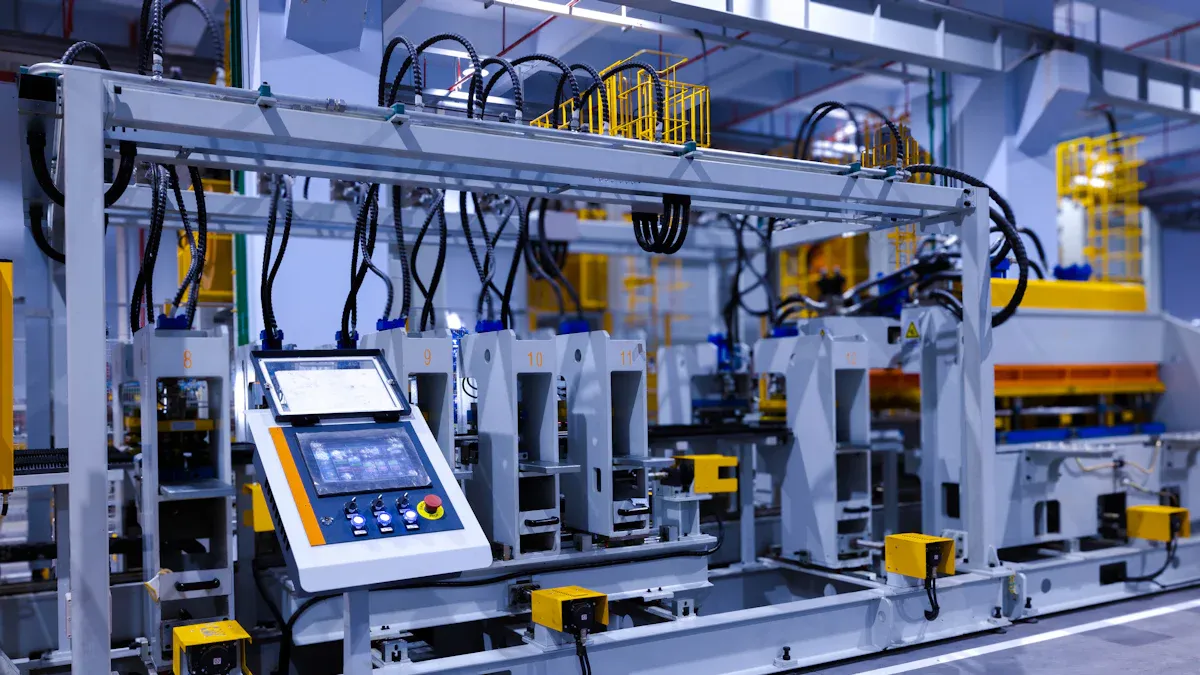
You use pressure forming to shape warm plastic sheets with air pressure and a special mold. This way, you can make good, custom parts at home or in your own workspace. Pressure forming is great for small projects because the tools cost less than other machines like injection molding. You can get sharp details and use thicker materials. This makes pressure forming useful and smart for creative ideas at home or in a small workshop.
Pressure forming is a cheap way to make custom plastic parts at home or in a small shop. This method lets you get lots of detail and smooth surfaces. It is great for projects that need sharp designs. You can quickly test new ideas with pressure forming. This saves time and money on small batches. Using the right materials and molds is very important for good results in pressure forming. Safety matters a lot; always wear safety gear and follow rules to stay safe while working.
Pressure forming helps you shape plastic sheets into things you can use. First, you heat a thermoplastic sheet until it gets soft. Next, you put the soft sheet over a mold. Air pressure pushes the plastic against the mold’s surface. This lets you make shapes with sharp details like logos or textures. Pressure forming uses air pressure and sometimes a vacuum. This makes sure the plastic fits every part of the mold. You can use pressure forming to make detailed parts at home or in a small workshop. Many people like pressure forming because it is quick and does not need expensive machines.
You get many good things when you use pressure forming for your projects. Here is a table that shows some main benefits:
| Advantage | Description |
|---|---|
| Lower tooling cost | You spend less money on tools than other ways like injection molding. |
| Easier prototyping | You can test new ideas fast and make changes quickly. |
| High detail and finish | You get sharp details and smooth surfaces on your parts. |
| Versatile material options | You can pick from many plastics to fit what you need. |
| No gate marks | Your finished parts look clean, with no lines or marks. |
| Cost-effective for small runs | You save money when making just a few items, not thousands. |
You also get other benefits:
You can make fine details and surface textures.
You control wall thickness and keep it even.
You get a great surface finish, which looks nice.
You can make undercuts and complex shapes that are hard with other methods.
These benefits make pressure forming a smart choice for many projects. You can try new pressure forming ideas to make trays, covers, or machine parts. The process is great when you want to save money and need easy prototyping.
You may wonder how pressure forming is not the same as vacuum forming. Both use heat and a mold to shape plastic, but they work differently. In vacuum forming, you heat the plastic and use a vacuum to pull the sheet onto the mold. This works for simple shapes but does not give much detail.
Pressure forming uses extra air pressure to push the plastic into every part of the mold. This gives you sharper details, better textures, and more control over thickness. You can use thicker materials with pressure forming. The finished part often looks as good as parts made with injection molding.
You will see pressure forming used for many things, such as:
Fascias and enclosures for kiosks or ATMs
Covers and panels for trains or buses
Medical device housings
Food service trays and organizers
Custom covers for tools or electronics
These examples show why pressure forming is great for everyday projects. You can make strong, nice-looking parts without spending much money or needing special skills.
You need some tools and materials to start pressure forming at home or in a small workshop. Here is a list to help you get ready:
You need a pressure forming machine or you can make one with an air compressor.
Use thermoplastic sheets like High Impact Polystyrene, Acrylonitrile Butadiene Styrene, or Polyvinyl Chloride.
You need a mold or template. Silicone rubber works well for high detail. Hold the mold with a wooden frame.
You need a heating source like an oven or a heat gun.
You need an air pressure system that gives strong, even pressure.
You need a cooling system. Fans or water spray work well.
Wear safety gear like gloves, goggles, and an apron.
Use cutting tools to trim your finished parts.
Tip: Pick a mold material that does not bend under high pressure. Silicone rubber molds inside strong wooden frames help you get sharp details.
Follow these steps to finish the pressure forming process and make parts that fit closely:
Put a plastic sheet over your mold inside the pressure forming machine.
Heat the plastic sheet until it gets soft and bends easily.
Use pressurized air to push the hot plastic tightly over the mold.
Keep the plastic under high pressure while extra air leaves the system.
Let the plastic cool and get hard before you take it off the mold.
Note: Always watch the temperature carefully. Each plastic type needs a certain temperature to form right. If the temperature is too high or too low, you might lose detail or ruin the part.
You want your mold to give sharp and accurate details. Good mold preparation helps you get the best results from pressure forming. Here are some tips:
Use silicone rubber for molds when you want high detail. This material shows fine textures and shapes.
Build a strong wooden frame to keep the silicone mold steady during forming.
Make sure your mold can handle the pressure and does not change shape.
Design your mold with clear edges and corners. Pressure forming lets you make sharp corners and crisp surface details.
Think about using aluminum tooling if you want better temperature control and stable shapes. Aluminum molds help you get a smooth finish and close fit.
Add styling lines to your mold. These lines make your part look better and stronger.
| Technique | Description |
|---|---|
| Tooling Design | Good tooling helps you get sharp and accurate details. |
| Material Selection | The right plastic and mold material make the surface finish and detail better. |
| Defined Edge and Corner Radii | Pressure forming lets you make sharp corners that vacuum forming cannot do. |
| Surface Detail | You can add textures and crisp finishes to your parts. |
| Styling Lines | These lines make parts look better and stronger. |
| Aluminum Tooling | Aluminum molds help control temperature and keep shapes steady for high-quality results. |
Block Quote: If you plan your mold well and pick the right materials, you can make parts with sharp details and a professional look.
| Mistake | Avoidance Strategy |
|---|---|
| Inappropriate Material Selection | Think about what your project needs, ask suppliers for help, and test with samples. |
| Unreasonable Mold Design | Work with skilled designers, use CAD software, and plan for shrinking. |
| Incorrect Forming Temperature Setting | Follow temperature rules for each plastic, use good controls, and watch temperatures. |
| Improper Forming Speed and Cooling Time | Set the right speed, let it cool enough, and use fans or water spray. |
| Neglecting the Post-Processing Phase | Plan for trimming and finishing, check quality, and use good tools. |
Tip: Always check your mold and materials before you start. Careful preparation helps you avoid mistakes and get the best results from pressure forming.
You can make trays for many things at home or work. Pressure forming helps you make trays that fit your needs. You can design trays for medical kits or electronics. You can also make trays for cookies or crackers. Some trays hold frozen dinners. Businesses use tote trays in production lines.
Medical kit trays
Electronics component trays
Cookie or cracker trays
Frozen dinner trays
Tote trays for business
Thermoforming is how experts make plastic trays. It is quick and saves money. You get trays that look professional.
You pick the size and shape you want. You choose how many compartments you need. This helps you organize tools, parts, or snacks.
Pressure forming lets you make covers and organizers that last. You can make covers for battery cases or lights. You can also make covers for vacuum cleaners. Organizers work for tools, makeup, or lab equipment.
Here is a table that shows why pressure formed covers and organizers are special:
| Benefit | Description |
|---|---|
| High Degree of Surface Detail | Gets fine textures and features. |
| Design Aesthetics and Branding | Makes cool shapes and patterns. |
| Large Part Capability at Low Cost | Makes big parts without spending much. |
| Lightweight Material Benefits | Parts are light and easy to use. |
| Rugged and Industry Compliant | Meets tough standards for strength. |
| Low Tooling Investment | Needs less money for tools. |
| Multi-Part Assemblies | Lets you build complex assemblies. |
| Moderate Annual Volumes | Good for making a medium number of items. |
| Rapid Product Development | Helps you test and change ideas fast. |
You can make covers for seatbelt clips or coffee makers. You can also make covers for makeup containers. These parts look neat and fit your space.
Pressure forming helps you make cool things for hobbies or art. You can use it to make special items for fun projects. Some people use hydroforming to stamp aluminum parts for homemade planes. Wimbledon College of Arts uses pressure forming to make detailed prosthetic parts. This saves money and gives high detail.
Stamped aluminum parts for home-brew aircraft
Detailed prosthetic appendages for art or theater
Custom panels for bikes or luggage racks
You can try new shapes and ideas. Pressure forming lets you test designs and get better at making prototypes.
You can improve your results by following some simple steps. Start with easy projects like toolboxes or brackets. This helps you build skills and gain hands-on experience. Always double-check your measurements before you cut or bend any material. Use the right tools for each job. Regular practice makes you better and more confident. If you follow safety rules, you avoid accidents and keep your workspace safe.
Tip: When you choose pressure forming for your project, you benefit from lower tooling costs. You save money and get good results, especially when you make only a few parts.
Sometimes you face problems during pressure forming. Here are common issues and ways to fix them:
| Problem | Solution |
|---|---|
| Uneven surface finish | Check mold for defects and clean it well. |
| Poor detail | Make sure you use enough pressure. |
| Warped parts | Control the cooling time and temperature. |
| Cracks or splits | Use the right plastic and avoid overheating. |
| Parts do not fit mold | Double-check measurements and mold design. |
If you see mistakes, stop and check your setup. Fix small problems early to avoid wasting material and increasing cost.
You must protect yourself when you work with machines and hot materials. Always wear safety glasses or goggles to shield your eyes from debris. Use a heavy-duty raincoat and rain pants to keep your body safe from water and chemicals. Rubber boots help you avoid slips and protect against electric shock. Rubber gloves give you a better grip and protect your hands. A face shield keeps your face safe from splashes. Ear protection helps you avoid hearing loss from loud machines.
Note: Keep loose clothing, jewelry, and long hair away from moving parts. Machines can catch these items and cause injury.
You may work in places with heat, cold, or high humidity. Sometimes you handle heavy equipment or work in tight spaces. Dust from cutting and grinding can harm your lungs. Always keep your workspace clean and use masks if needed.
Stay alert near rotating parts. Injuries can happen quickly.
Keep your hands and clothing away from moving machinery.
Use proper tools and safety gear every time you work.
Safety first! You protect yourself and lower the cost of mistakes when you follow these guidelines.
You get lots of good things when you pick pressure forming. It costs less money and takes less time to finish. You can make many different designs with this method. You do not waste much material. You can also get sharp details on your parts. Here is a table that shows how pressure forming compares to other ways:
| Benefit | Pressure Forming | Other Methods |
|---|---|---|
| Cost | Lower cost than injection molding | Higher costs |
| Production Cycle | Shorter production cycle | Longer production cycles |
| Design Flexibility | Highly customizable and flexible | Less flexible designs |
| Material Efficiency | Wastes very little raw material | Higher material waste |
| Surface Detail | Achieves complex details and designs | Limited detail capabilities |
Try out new ideas and start with easy projects. You can look for guides and videos online to help you learn. Pressure forming is a fun way to make useful parts at home.
You pick plastic based on your project’s needs. ABS works well for strong parts. HIPS gives you a smooth finish. PVC resists chemicals. Ask suppliers for samples before you decide.
You can reuse molds if you clean and store them well. Silicone molds last for many uses. Wooden frames help keep molds steady. Always check for damage before you start a new project.
You use sharp cutting tools like utility knives or rotary cutters. Trim slowly to avoid cracks. Sand edges for a smooth finish. Always wear gloves to protect your hands.
You stay safe by following basic rules. Wear gloves and goggles. Keep your workspace clean. Read instructions for your machine. Start with small projects to build confidence.
You prevent air bubbles by heating the plastic evenly. Use steady pressure during forming. If you see bubbles, check your mold for leaks. Clean the mold before each use.


