
Views: 0 Author: Site Editor Publish Time: 2025-07-15 Origin: Site
As global manufacturing continues to evolve, the demand for more efficient, sustainable, and cost-effective production methods has never been higher. One such innovation that has become indispensable is the vacuum forming machine. Vacuum forming is a key technology that allows manufacturers to create precise, durable, and lightweight plastic parts with ease, making it an ideal solution across multiple industries.
But what does the future of vacuum forming hold? As businesses face increasing pressure to reduce production costs, increase customization, and meet sustainability goals, vacuum forming technology is poised to become even more integral in shaping the future of manufacturing.
In this article, we'll dive into the significance of vacuum forming machines in modern manufacturing. We will explore how they are revolutionizing the production of custom parts across various industries, from automotive to medical devices and packaging. Along the way, we'll discuss the technological advancements driving this change and why Wenzhou Mingdu Machinery is well-positioned to lead the way in providing innovative vacuum forming solutions to meet global demand.
The demand for lightweight, durable, and customized components is on the rise. Consumers and industries alike are looking for products that meet specific needs, fit unique designs, and adhere to eco-friendly standards. As industries face increased competition, the ability to offer personalized solutions while reducing environmental impact is becoming more important than ever. This is where vacuum forming machines truly shine.
One of the most powerful aspects of vacuum forming is its ability to produce highly customizable parts with a wide range of applications. Manufacturers can create intricate designs that meet specific dimensions and shapes, which is especially valuable for industries that require unique or non-standard components. For example, in the automotive sector, manufacturers are able to use vacuum forming machines to produce custom dashboards, door panels, and other interior components with high precision and minimal waste. These parts can be tailored to fit different models or customer preferences, ensuring a personalized product offering.
Similarly, in the consumer electronics industry, vacuum forming machines allow for the creation of custom plastic enclosures for devices such as smartphones, tablets, and laptops. The ability to produce these parts in varying sizes and styles allows manufacturers to quickly adapt to changes in consumer demand and new technological innovations. This flexibility is particularly beneficial in a fast-moving sector where the ability to customize products to fit specific requirements is key to staying competitive.
Sustainability has become a top priority for businesses across all industries. The growing concern over environmental impact, particularly plastic waste, has led to increased pressure for manufacturers to adopt greener production methods. Vacuum forming machines are playing an essential role in this shift by enabling manufacturers to use recycled materials in production processes. Instead of relying on virgin plastics, which contribute to environmental degradation, manufacturers can repurpose old plastic products—such as used car parts or plastic packaging—and reintroduce them into the production cycle.
The process of vacuum forming uses less material overall, and since the leftover plastic can often be recycled and reused, it reduces waste generated during manufacturing. Additionally, using recycled plastic helps lower material costs, further boosting the cost-efficiency of vacuum forming as a sustainable solution.
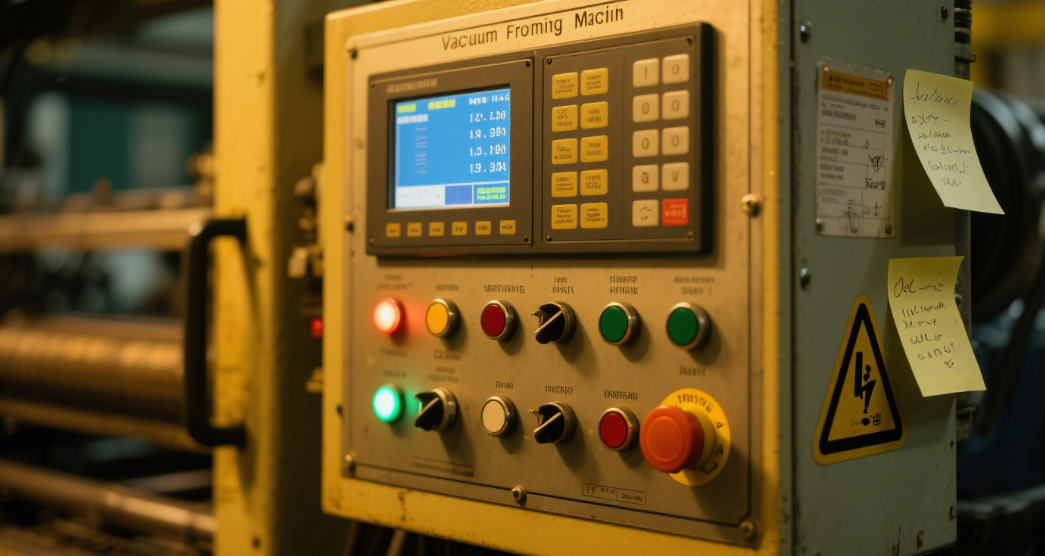
As demand for more complex parts with higher precision grows, so too does the technology behind vacuum forming machines. Modern vacuum forming machines are equipped with cutting-edge technologies that improve both the efficiency and precision of the forming process. These advancements are helping manufacturers meet the increasing demands for high-quality components at a faster rate, all while keeping costs low.
One of the most significant advancements in vacuum forming technology is the integration of automation. Traditionally, vacuum forming was a highly manual process that required skilled labor to operate the machinery and monitor each production step. Today, automation is transforming the process by reducing human involvement in certain areas, which speeds up production time and enhances accuracy. Automated systems can handle tasks such as loading materials, adjusting temperature settings, monitoring vacuum pressure, and even trimming parts after they are formed.
Automation also brings additional benefits, including reduced labor costs and a decrease in human error. By automating repetitive tasks, manufacturers can increase output while maintaining consistent quality across every piece produced. This is particularly advantageous for industries like medical device manufacturing, where high precision and consistency are essential.
As manufacturing systems become smarter, the integration of artificial intelligence (AI) and machine learning into vacuum forming machines is taking the technology to new heights. AI and machine learning can help analyze vast amounts of production data, predict when machines need maintenance, and even optimize the forming process in real-time. For example, sensors in the machines can track temperature and pressure variations during the forming process, and the system can adjust accordingly to prevent defects or inefficiencies.
This not only improves production accuracy but also reduces downtime, as the AI can identify potential issues before they lead to machine failure. In addition, machine learning algorithms can improve the overall performance of vacuum forming machines by learning from past production data to optimize settings for specific products. This means that manufacturers can achieve higher levels of quality while reducing waste, ultimately leading to a more cost-effective and sustainable manufacturing process.
While vacuum forming is well-known in industries like automotive and packaging, its applications are becoming increasingly diverse. As businesses look for ways to produce high-quality, cost-effective, and sustainable components, vacuum forming machines are finding new uses across various sectors.
In the automotive sector, the drive toward reducing vehicle weight has made vacuum forming an essential tool for manufacturers. Lightweight parts help improve fuel efficiency and reduce carbon emissions, which is especially critical as the world transitions to electric vehicles (EVs). Vacuum forming is ideal for creating durable yet lightweight automotive parts, such as dashboards, door panels, bumpers, and trim pieces.
The ability to create custom vacuum-formed parts at a low cost means that manufacturers can produce small runs of parts without the need for expensive molds and tooling. This is especially valuable for electric vehicles, where weight reduction is critical to optimizing battery life and energy efficiency.
The packaging industry is another area where vacuum forming is making significant strides. As consumer demand for eco-friendly packaging continues to rise, vacuum forming machines provide a sustainable alternative to traditional plastic packaging methods. The process allows manufacturers to create customized packaging solutions using biodegradable or recyclable plastics, which helps reduce waste and supports a circular economy.
Additionally, vacuum forming machines are capable of producing highly intricate designs and shapes that improve the functionality and aesthetic appeal of packaging. Whether it's for food, medical devices, or consumer goods, vacuum forming offers an efficient way to create customized packaging that meets both consumer demands and regulatory standards.
The medical industry is one of the fastest-growing sectors for vacuum forming applications. As medical devices become more specialized and consumer-focused, there is a growing demand for custom packaging solutions that ensure sterility, safety, and convenience. Vacuum forming machines excel in producing medical trays, containers, and protective covers that keep medical products safe during shipping and handling.
Vacuum-formed medical packaging is often designed to fit the precise dimensions of individual products, offering superior protection and reducing the risk of contamination. This level of customization ensures that medical products remain sterile and secure until they reach their final destination, which is critical in industries where safety is paramount.
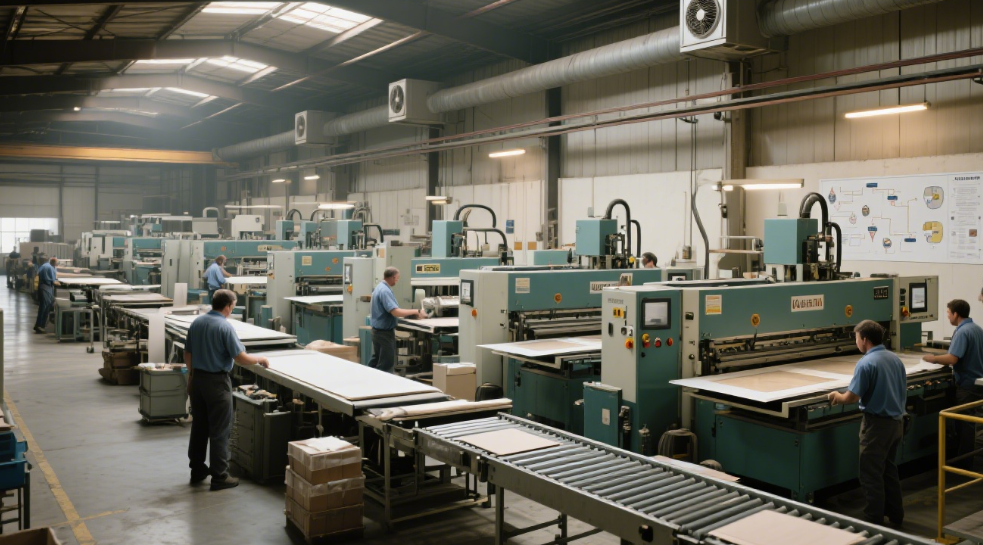
Vacuum forming machines are renowned for their cost-efficiency, which is one of the key reasons why they are increasingly being adopted by manufacturers worldwide. The cost-effectiveness of vacuum forming is particularly beneficial for industries that require high-quality parts in smaller production runs.
Compared to other traditional manufacturing methods like injection molding, vacuum forming offers much lower tooling and setup costs. For manufacturers that need to create customized parts or work with smaller batches, the reduced cost of molds and dies makes vacuum forming an ideal choice. The flexibility to quickly change part designs or production runs without incurring significant additional costs is one of the key benefits of vacuum forming.
Another key advantage of vacuum forming is its fast production cycle times. Once the plastic material is heated to the desired temperature, the actual forming process takes only a few minutes. This rapid turnaround allows manufacturers to meet tight deadlines, reduce lead times, and quickly adapt to changes in market demand.
Vacuum forming also produces less material waste compared to traditional manufacturing processes. Since the excess material can be reused or recycled, the overall material cost per unit is lower. This reduction in waste also supports sustainability efforts by ensuring that fewer resources are used, which benefits both the manufacturer and the environment.
As the global manufacturing landscape continues to change, vacuum forming technology is evolving to meet new challenges and opportunities. Some of the key trends shaping the future of vacuum forming include:
One exciting development in the vacuum forming sector is the rise of multi-material and hybrid vacuum forming machines. These machines combine different types of plastics to create parts with enhanced properties, such as improved strength, heat resistance, or flexibility. For instance, automotive manufacturers could produce vacuum-formed parts with a combination of materials to meet specific performance requirements, such as heat-resistant dashboards or impact-resistant bumpers.
Another innovative development is the integration of 3D printing with vacuum forming. This hybrid approach allows manufacturers to create complex molds using 3D printing, which can then be used in the vacuum forming process. The ability to create intricate, high-precision molds with 3D printing allows for faster prototyping and reduces the need for traditional tooling.
As both 3D printing and vacuum forming continue to advance, the combination of these technologies will enable the production of highly customized, complex parts at a lower cost, offering greater flexibility in design and production.
The future of vacuum forming machines in global manufacturing is brighter than ever. With ongoing advancements in technology, including automation, AI integration, and sustainable material usage, vacuum forming machines are becoming more precise, efficient, and versatile. As industries across the world seek to meet increasing demands for customization, sustainability, and cost-efficiency, vacuum forming machines will continue to be an essential tool in achieving these goals.
By investing in innovative vacuum forming machines, such as those offered by Wenzhou Mingdu Machinery, businesses can remain competitive and adapt to the rapidly changing global market. The ability to produce high-quality, lightweight, and durable parts at a lower cost and with reduced environmental impact makes vacuum forming a key technology for the future of manufacturing.
A: A vacuum forming machine uses heat and vacuum pressure to mold plastic sheets into specific shapes. It is commonly used in manufacturing lightweight, durable, and customizable parts across various industries.
A: Unlike injection molding, which is better suited for high-volume production of small, detailed parts, vacuum forming is ideal for producing larger, less complex parts. It is also more cost-effective for smaller production runs.
A: Yes, vacuum forming is highly compatible with recycled plastics. This reduces both material costs and the environmental impact of production, making it a more sustainable choice for manufacturers.
A: Industries such as automotive, medical, packaging, and consumer electronics benefit significantly from vacuum forming. Its ability to create lightweight, durable, and customizable parts makes it valuable across these sectors.
A: Wenzhou Mingdu Machinery offers advanced, high-quality vacuum forming machines designed to improve efficiency, reduce costs, and ensure high-precision production. Their solutions are tailored to meet the unique needs of businesses in various industries, helping them stay competitive in the global marketplace.


