
Views: 0 Author: Site Editor Publish Time: 2026-01-28 Origin: Site
Have you ever wondered how complex designs are created quickly and affordably? Thermoforming is a revolutionary process that offers speed and efficiency for manufacturing.
In this article, we’ll explore the advantages of thermoforming, including its cost-effectiveness, material compatibility, and eco-friendly benefits. You’ll understand why it’s a preferred method for both prototyping and large-scale production.
Thermoforming stands out as a cost-effective option compared to other methods like injection molding, especially when it comes to tooling costs. One of the key reasons for this is that thermoforming requires simpler molds, typically made from aluminum or composite materials. These materials are less expensive to manufacture and quicker to produce, allowing businesses to save on initial setup costs.
In contrast, injection molding requires high-precision steel molds, which are significantly more expensive and take longer to produce. This difference can make a huge impact, particularly for businesses needing to meet tight production deadlines or testing smaller production runs.
Here’s a quick comparison of tooling costs between the two methods:
Feature | Thermoforming | Injection Molding |
Tool Material | Aluminum, Composite | Steel |
Tooling Cost | Low | High |
Lead Time for Tool Production | Short (Weeks) | Long (Months) |
Ideal for Production Runs | Small to Medium | High Volume |
One of the greatest advantages of thermoforming is its ability to produce affordable prototypes quickly. This is particularly valuable for businesses looking to test new designs or prototypes without breaking the bank. Unlike injection molding, which can require a significant upfront investment in molds, thermoforming allows companies to test new ideas without significant financial risk.
Mingdu’s custom thermoforming machines enable businesses to produce prototypes at minimal cost, allowing for more flexibility in the product development process. Prototyping with thermoforming is fast, enabling manufacturers to quickly test and refine their designs before scaling up production.
● Quick Turnaround: Prototypes can be produced in just a few days, reducing the time it takes to get to market.
● Low Initial Investment: No need for expensive steel molds, making it accessible for smaller companies.
● High Flexibility: Quickly adjust designs based on feedback without costly delays.
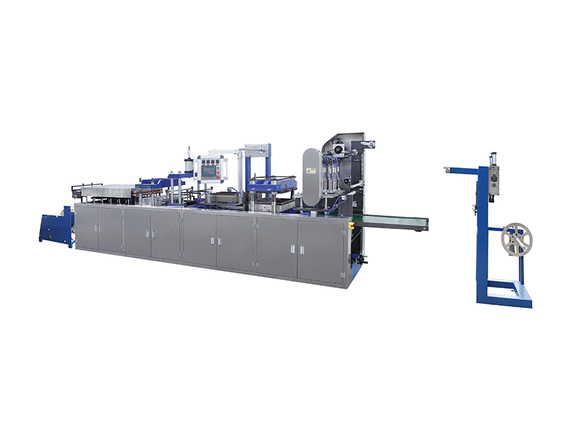
Thermoforming is known for its quick production cycles, allowing manufacturers to produce large quantities of parts in a fraction of the time compared to traditional molding methods. This speed is particularly valuable for industries with high-demand products, where time-to-market is critical. The ability to produce parts rapidly helps businesses meet tight deadlines and high-volume production schedules.
● Quick Setup and Execution: Thermoforming requires fewer steps than methods like injection molding, which translates to faster production and less machine downtime.
● Efficient Production: With Mingdu’s multi-station thermoforming machines, multiple processes like forming, punching, and cutting are integrated into one synchronized workflow. This not only reduces the time spent on each part but also increases overall production speed.
Mingdu’s Model‑500L and Model‑600L are designed to streamline production, combining these processes into one smooth cycle. This system ensures manufacturers can produce large batches of parts quickly and efficiently, even for complex designs.
One of the biggest advantages of thermoforming is its ability to deliver high output rates while maintaining consistent quality. This makes it an ideal choice for businesses that need to produce high volumes of products in a short period. Thermoforming’s automated systems make production runs more efficient, reducing manual labor and minimizing downtime.
● Increased Automation: Mingdu’s automated thermoforming machines incorporate features like servo-assisted mechanisms and automatic mold changeovers, which reduce the need for manual adjustments.
● Minimal Downtime: These systems ensure that the production line stays running smoothly, even during transitions between batches, which significantly boosts productivity.
Feature | Thermoforming | Injection Molding |
Production Speed | Fast | Moderate to Slow |
Setup Time | Short | Long |
Output Rate | High | Lower |
Downtime | Minimal | High |
Thermoforming stands out for its ability to produce parts faster compared to many other manufacturing methods. This is largely due to the fact that it typically requires fewer steps, which results in shorter cycle times. The process involves heating the material, forming it into a mold, and trimming it—each step happening quickly in a streamlined system. As a result, businesses can produce more parts in less time, driving efficiency in high-demand industries.
● Fewer Steps, Faster Production: Unlike injection molding, which can involve several stages including resin preparation and cooling, thermoforming simplifies production by reducing the number of steps needed to create a part.
● Faster Turnaround for Larger Runs: Thermoforming’s quick cycle times make it perfect for producing large volumes of parts quickly, especially for industries with high demand.
Automation plays a crucial role in increasing the efficiency of thermoforming. By automating key processes like mold changeovers, material handling, and cutting, companies can reduce their reliance on manual labor and minimize human error. The automated systems also ensure consistent part quality and precision, further enhancing productivity.
● Servo-Assisted Mechanisms: Mingdu’s automated systems, such as the Model‑500L and Model‑600L, include servo-assisted mechanisms that ensure precise material handling and consistent part quality, making production smoother.
● Automatic Feeding Systems: These machines are equipped with automatic feeding systems that reduce downtime, increase throughput, and streamline the entire process, significantly lowering labor costs over time.
By integrating these technologies into their production lines, manufacturers can cut down on labor costs and improve the overall consistency of the parts being produced. This ultimately makes the production process not only more cost-effective but also more sustainable in the long term.
Feature | Thermoforming | Injection Molding |
Cycle Time | Short | Longer |
Labor Cost | Lower | Higher |
Automation | High | Low |
Precision Control | High | High |
Thermoforming is incredibly versatile when it comes to the materials it can handle, making it suitable for a wide variety of applications across different industries. Manufacturers can use materials such as PET, PVC, PP, and rPET, allowing them to choose the best material based on the specific needs of their products. The ability to work with different materials opens up numerous possibilities, from durable packaging to medical device enclosures.
Mingdu Machinery’s thermoforming equipment can handle both thin-gauge and thick-gauge plastics, enabling it to serve various production requirements. Whether you need to form lightweight food packaging or robust industrial components, Mingdu’s machines provide the flexibility needed for any project.
● PET is commonly used in food packaging for its clarity and strength.
● PP offers excellent chemical resistance and is often used for automotive parts.
● rPET is a sustainable choice that utilizes recycled plastic, supporting eco-friendly manufacturing practices.
Here’s a comparison of the most common materials used in thermoforming:
Material | Common Use | Key Properties |
PET | Food packaging, trays | Clarity, strength, recyclability |
PVC | Medical devices, signage | Durability, flexibility |
PP | Automotive, containers | Chemical resistance, lightweight |
rPET | Sustainable packaging | Recycled, eco-friendly |
As environmental concerns continue to grow, many industries are seeking eco-friendly alternatives in their production processes. Thermoforming is an ideal method for creating products from recyclable thermoplastics, such as rPET and PLA, helping businesses reduce their environmental footprint.
Mingdu’s thermoforming machines are compatible with materials like rPET, which uses recycled plastic to reduce waste, and PLA, a biodegradable material, offering manufacturers an eco-conscious option without compromising on performance. This aligns perfectly with the growing demand for sustainable manufacturing solutions across industries like food packaging, medical devices, and consumer goods.
● rPET can be used to create food containers, trays, and blister packs, reducing reliance on virgin plastic.
● PLA is an excellent choice for single-use items and compostable packaging, helping brands meet sustainability goals.
The advantages of eco-friendly materials in thermoforming include:
● Lower environmental impact due to the use of recycled or biodegradable materials.
● Reduced waste through efficient material use and the ability to recycle thermoformed products at the end of their lifecycle.
● Sustainability certifications such as FDA-approved materials for food contact or compostable certifications for biodegradable options.
Material | Environmental Benefit | Common Application |
rPET | Recycled plastic, reduces waste | Food packaging, trays, clamshells |
PLA | Biodegradable, compostable | Single-use items, packaging |
Thermoforming is not only a cost-effective method but also contributes to sustainable manufacturing practices. One of the key benefits of this process is its ability to reduce material waste. Thermoforming maximizes the use of plastic sheets, with efficient trimming and precise cutting techniques that minimize scrap material. This not only reduces waste but also helps businesses lower their production costs.
● Efficient Sheet Usage: Thermoforming is known for its optimized material usage, allowing manufacturers to make the most out of every sheet, minimizing the need for raw materials.
● Precise Cutting: With precise cutting and molding, manufacturers can create parts with minimal waste, ensuring that almost all of the material is used in the final product.
Mingdu’s technology plays a key role in promoting sustainable manufacturing. By focusing on energy efficiency and using advanced control systems, Mingdu’s thermoforming machines help reduce excess material usage, while also cutting down on energy consumption. This makes the process not only cost-efficient but also environmentally friendly.
Here’s how Mingdu’s machines contribute to sustainability:
Feature | Impact on Sustainability |
Efficient Material Use | Reduces waste and material consumption |
Energy-Efficient Systems | Lowers energy consumption during production |
Precise Cutting Technology | Minimizes scrap material and waste |
As consumer demand for eco-friendly packaging continues to rise, manufacturers are turning to biodegradable materials as a viable alternative to traditional plastics. Thermoforming is uniquely suited for working with these materials, offering biodegradable plastic options that align with growing green standards in various industries.
● PLA (Polylactic Acid) is one of the most popular biodegradable plastics used in thermoforming. It is derived from renewable resources like corn starch or sugarcane, making it a great choice for companies looking to reduce their environmental impact.
● PHA (Polyhydroxyalkanoates) is another biodegradable option gaining traction in the thermoforming industry, offering similar performance benefits to traditional plastics but with environmentally-friendly properties.
Mingdu’s machines are designed to handle biodegradable plastics such as PLA, PHA, and other compostable materials. This capability allows businesses to meet the increasing demand for sustainable packaging solutions, especially in industries like food packaging, cosmetics, and pharmaceuticals.
Key benefits of using biodegradable materials in thermoforming include:
● Compostability: Many biodegradable plastics break down naturally, reducing the need for landfills.
● Renewable Resources: These materials are often made from renewable resources, helping reduce dependence on fossil fuels.
● Consumer Appeal: Biodegradable packaging appeals to eco-conscious consumers, boosting a company’s brand image.
Material | Environmental Benefit | Common Application |
PLA | Biodegradable, compostable | Food packaging, disposable cutlery |
PHA | Compostable, reduces waste | Medical packaging, food trays |
Thermoforming offers remarkable design flexibility, allowing manufacturers to create intricate shapes, detailed textures, and complicated geometries that would be challenging and costly to achieve with other processes like injection molding. This advantage is especially beneficial when producing products with fine details or unique contours that demand a high level of precision.
Mingdu’s advanced thermoforming machines provide precise control over material thickness, temperature, and molding pressure, enabling manufacturers to produce complex designs with consistent results. Whether it’s complex geometries for medical device enclosures or embossed textures for consumer packaging, thermoforming makes it easier to bring creative ideas to life.
Here are some advantages of thermoforming for intricate designs:
● High Precision: Achieve tight tolerances and detailed textures without the need for expensive molds.
● Faster Prototyping: Quickly test new designs and refine them with minimal setup time.
● Flexible Material Options: Work with a wide range of materials to achieve desired properties such as strength, clarity, or flexibility.
One of the greatest strengths of thermoforming is its ability to create custom packaging that meets both functional and aesthetic requirements. Brands can create unique packaging solutions that not only protect the product but also make a strong visual impact on consumers. Thermoforming allows for embossed logos, matte finishes, and other unique design features that elevate a brand's presence in the market.
Mingdu’s customizable molds make it easy to produce tailored packaging solutions for various industries, including food packaging, medical trays, and consumer goods. Whether it's for creating protective blister packs, high-end product displays, or eco-friendly packaging with custom shapes and textures, thermoforming provides the design freedom required for any project.
Benefits of Custom Packaging with Thermoforming:
● Brand Differentiation: Use unique shapes and textures to set products apart from competitors.
● Enhanced Visual Appeal: Add embossed or debossed logos and matte finishes for premium, eye-catching packaging.
● Adaptability: Ideal for small to medium runs of custom packaging, reducing the need for high-volume production.
Feature | Benefit | Applications |
Embossed Logos | Adds branding and texture to packaging | Cosmetics, food packaging |
Matte Finishes | Premium look with subtle tactile feedback | High-end products, medical trays |
Custom Shapes | Tailored to fit product specifications | Retail, consumer goods |
One of the key benefits of thermoforming is its cost-effective prototyping capabilities. Unlike other manufacturing methods, thermoforming involves lower tooling costs, making it ideal for testing new designs without a significant upfront investment. The process is quick and allows businesses to create prototypes in a fraction of the time and cost it would take with methods like injection molding. This makes it easier for companies to evaluate new product concepts before committing to full-scale production.
● Lower Tooling Costs: With thermoforming, businesses don’t have to invest heavily in molds, as they do with other methods. This makes it accessible for small businesses and startups.
● Quick Prototyping: Thermoforming allows companies to produce prototypes in days, helping them get feedback quickly and refine their designs.
Here’s a comparison of prototyping timelines for different methods:
Method | Prototyping Cost | Lead Time | Typical Use |
Thermoforming | Low | 1-3 days | Packaging, food containers |
Injection Molding | High | 4-6 weeks | Complex industrial parts |
3D Printing | Medium | 1-3 days | Custom, low-volume products |
Thermoforming is also highly flexible, making it ideal for producing seasonal packaging or limited edition products. These products often require quick turnaround times and low setup costs, both of which are strong suits of thermoforming. The ability to quickly modify molds or adjust designs for specific campaigns or seasons makes thermoforming an excellent choice for businesses needing to adapt rapidly to changing market trends.
● Low Setup Costs: Thermoforming allows businesses to quickly set up production lines for seasonal packaging or specialty items without the high upfront investment that other methods may require.
● Quick Turnaround Times: With thermoforming, manufacturers can scale up production in a matter of days, making it perfect for limited-time offers or seasonal promotions.
Feature | Benefit | Ideal for |
Low Setup Costs | Affordable and quick production setup | Seasonal packaging, promotional items |
Quick Turnaround | Fast production adjustments | Limited edition products, special runs |
Customizable Molds | Flexibility to adjust designs easily | Holiday packaging, exclusive items |
Thermoforming is an excellent choice for producing large parts such as panels, housings, and enclosures. Unlike injection molding, which often requires massive investment in high-tonnage machinery, thermoforming is a cost-efficient process for larger parts. The machinery involved is more affordable and capable of handling larger dimensions, without compromising on quality or precision.
In industries like automotive, electronics, and construction, thermoforming offers flexibility and cost-efficiency. It is especially effective for creating large-scale items that require strength, durability, and consistent quality.
● Vacuum and Pressure Forming: These techniques allow thermoforming to handle larger, more complex parts with great accuracy, making it ideal for oversized components.
● Mingdu’s large-scale thermoforming solutions support these techniques, enabling manufacturers to produce custom-sized enclosures and protective covers without the need for expensive equipment.
Method | Ideal Use | Cost Efficiency |
Vacuum Forming | Panels, trays, large containers | Low initial investment, scalable |
Pressure Forming | Large housings, enclosures | Faster production time, lower cost |
Injection Molding | High-precision, high-volume parts | Expensive, large-scale investment |
Thermoforming is highly cost-effective for large volumes of oversized parts. The process does not require the high-tonnage machinery typically needed for injection molding. This means manufacturers can produce large quantities of parts at lower costs, reducing the financial barrier for bulk production of larger components.
● Lower Equipment Costs: Thermoforming machines are less expensive to purchase and maintain compared to high-tonnage injection molding machines.
● Reduced Material Waste: The precision of thermoforming, combined with the ability to efficiently handle large sheets of plastic, minimizes material waste during production, contributing to savings in both materials and energy.
Mingdu’s thermoforming solutions are designed for high-volume production, ensuring that even large and complex parts can be produced efficiently and at a lower cost. Whether it’s large panels for appliances, automotive parts, or industrial covers, thermoforming proves to be the most cost-effective method for high-volume production.
Feature | Thermoforming | Injection Molding |
Equipment Costs | Low | High |
Material Waste | Low (efficient sheet use) | High (more waste) |
Production Speed | Fast (quick mold adjustments) | Slower (longer cycle times) |
Thermoforming offers numerous advantages, including cost-efficiency, fast production cycles, and design flexibility. This method is ideal for producing complex shapes and custom packaging at lower costs.
Mingdu Machinery’s advanced thermoforming machines provide precise control, allowing for rapid prototyping and high-volume production. Their machines, such as the Model‑500L and Model‑600L, streamline processes, reduce material waste, and support eco-friendly practices, helping businesses achieve both efficiency and sustainability.
A: Once cooled, thermoformed plastics are rigid and difficult to reshape. However, they can be reheated to become pliable and reshaped with careful control.
A: Thermoforming is cost-effective, fast, and flexible. It allows for quick prototyping, custom designs, and high production speeds at lower costs compared to other methods.
A: Thermoforming offers low tooling costs and quick turnaround times, allowing businesses to produce affordable prototypes for testing new designs.
A: Thermoforming provides fast setup, high output rates, and minimal downtime, especially with automated machines like Mingdu's, enhancing production efficiency.
A: Yes, thermoforming uses recyclable materials like rPET and PLA, reducing waste and energy consumption, supporting sustainability in manufacturing.


