
Views: 0 Author: Site Editor Publish Time: 2026-09-08 Origin: Site
Investing in packaging machinery requires balancing production speed, exact custom tolerances, and unit costs. Every capital expenditure decision demands careful evaluation of these critical variables. Getting this balance wrong severely limits your future manufacturing growth. Off-the-shelf equipment often fails to handle complex custom geometries effectively. Standard machines also struggle to process modern sustainable materials like rPET. You usually face excessive scrap rates or frequent tooling downtime as a result. These unexpected production bottlenecks destroy operational profit margins quickly.
This guide serves as an objective framework for your equipment evaluation process. We will help you evaluate, shortlist, and implement a plastic thermoforming machine for custom packaging. You will base your final choice on technical realities rather than mere marketing claims. We explore exactly what drives long-term success in custom forming operations today.
Architecture Matters: Choosing between vacuum forming and a pressure sheet thermoforming machine dictates your material gauge limits and detail fidelity.
TCO Over Initial Price: True equipment ROI is driven by changeover speed, material yield (scrap reduction), and energy efficiency, not just the base sticker price.
Automation Yields Variability: Transitioning to an automatic packaging thermoformer requires rigorous downstream integration and operator training; it is not a "plug-and-play" fix.
Compliance is Non-Negotiable: For food, medical, or electronic applications, sanitary design and verifiable compliance tracking must be built into the machine's PLC.
Evaluate your production volume against your required flexibility matrix. You must assess your primary operational bottleneck first. Cycle time often limits your high-volume, low-mix production runs. For example, a medical tray manufacturer running one SKU all year prioritizes cycle speed above all else. Conversely, tooling changeovers slow down high-mix, low-volume operations significantly. A facility running ten different retail blister sizes daily faces a high-mix bottleneck. Identifying this bottleneck dictates your entire machine configuration strategy.
Next, determine your exact material compatibility requirements. Rigid plastics behave very differently from flexible plastics under heat. You need to specify exact gauge limits (mil thickness) upfront. Sustainable substrates like PLA and rPET demand extremely precise heat controls. These green materials become brittle if overheated slightly.
Map out your factory floor constraints carefully. Factor in the total machine footprint alongside auxiliary equipment. Pneumatic air supply requirements dictate your factory infrastructure needs. Localized power consumption limits often restrict heavy machinery deployment. Upgrading your electrical grid adds massive hidden expenses.
Finally, establish strict financial benchmarks. Define your target payback period clearly and realistically. Base this timeline on projected labor savings. Calculate the exact cost of wasted rPET material over a fiscal year. A machine saving just three percent on scrap often pays for itself rapidly. Integrating a custom plastic packaging machine requires this baseline data. Accurate benchmarks prevent poor capital investments.
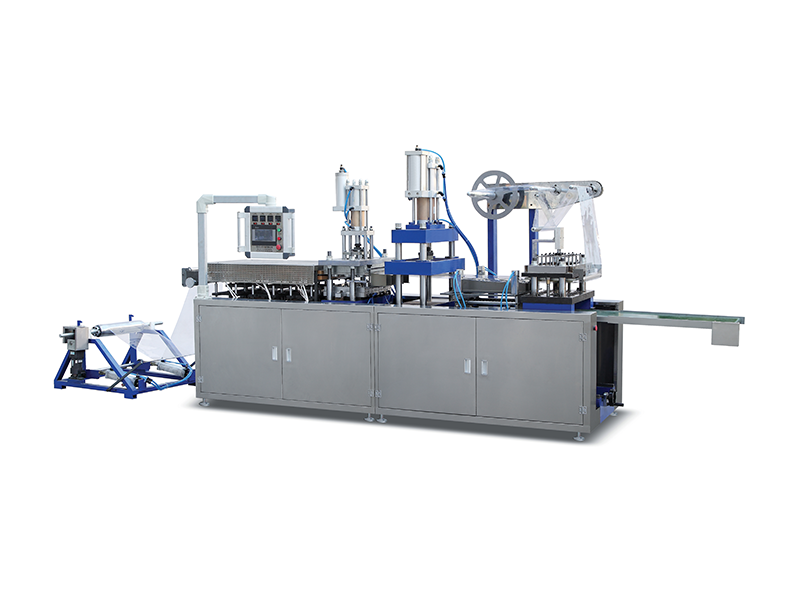
Compare vacuum thermoforming against pressure forming architectures. Vacuum forming uses negative pressure to pull heated plastic over a mold. These systems remain highly cost-effective for standard blister packs. They work exceptionally well for shallow draws and simple shapes. However, high-definition custom packaging requires much more forming force. A pressure sheet thermoforming machine becomes essential here. Pressure forming adds positive compressed air from the top. This dual-action forces plastic into complex textures. It manages deep draws and complex undercuts flawlessly. You can replicate the look of injection molding at a fraction of the tooling cost. Rigid material forming demands this higher atmospheric pressure.
Next, evaluate inline versus offline machine configurations. Inline systems connect directly to a plastic extruder. They use the residual heat from extrusion, saving energy. Evaluate these setups for continuous, massive-scale production operations. They eliminate intermediate storage steps entirely. Conversely, evaluate offline roll-fed or sheet-fed systems carefully. Offline systems rely on pre-rolled film stock. You must reheat this film entirely. They suit custom, variable production runs perfectly. Offline setups offer vital agility for frequent product changes. You can switch materials without stopping a massive extrusion line.
Consider integrating an automatic packaging thermoformer into your workflow. Assess the necessity of built-in operational stations. Automated loading, sealing, and cutting reduce manual touchpoints significantly. Auto-stacking modules catch finished parts and box them faster. Assess if these advanced stations justify the extra capital. Downstream integration requires careful planning and robust robotic programming.
Compare heating system efficiency closely across different models. Ceramic heaters offer robust, long-lasting performance for steady runs. Quartz halogen systems provide rapid response times and quick startups. Catalytic gas systems excel in specific industrial setups requiring massive heat. Your required outcome must ensure uniform material distribution. This uniformity prevents webbing or thinning on complex custom molds.
Examine tooling and changeover engineering features. SMED (Single-Minute Exchange of Die) principles apply directly here. Modern machines feature automated locking clamps instead of manual bolts. You slide the mold in, and pneumatics lock it firmly. Recipe-driven PLC controls eliminate manual guesswork during setups. Operators simply select the saved profile. The outcome minimizes machine downtime significantly. You can shift between different custom packaging runs much faster.
Evaluate cutting and trimming precision carefully. Rule die trimming suits standard, high-volume applications perfectly. It remains cheap and easy to replace. Match metal trimming handles tight edge-finish requirements. Zero-defect edges represent a critical outcome here. Medical or premium retail packaging demands absolutely flawless borders.
Heating Systems Comparison
Heater Type | Response Time | Durability | Best Application |
|---|---|---|---|
Ceramic | Slow | High | Continuous, steady production runs |
Quartz Halogen | Fast | Medium | High-mix runs needing quick changes |
Catalytic Gas | Medium | High | Large-scale, energy-intensive forming |
Verify all sanitary and compliance standards rigorously. Washdown capabilities (IP65+) protect internal electronics against fluid ingress. Stainless steel frames resist corrosion from harsh cleaning chemicals. Look for sloped surfaces on the machine frame. Sloped designs prevent stagnant water pooling after daily washdowns. GMP-compliant designs ensure sanitary production environments. Data-logging provides vital traceability for pharmaceutical and food applications.
Beware the downstream integration trap. Syncing a new thermoformer introduces severe mechanical complexities. You must align it alongside existing upstream extruders perfectly. Downstream case packers also require precise timing synchronization. Handshake signals between different PLCs often fail initially.
Address the real-world physics of custom mold design early. Material shrinkage and webbing failures occur frequently during cooling. Crystalline polymers shrink differently than amorphous polymers. If your cooling fans cool the plastic too quickly, the part warps. Machinery must feature programmable heating zoning. This precise compensation mechanism handles unpredictable material behavior. Your heating zones must apply differential heat to compensate.
Acknowledge the growing operator skill gap in manufacturing. Older veteran operators often retire, taking undocumented machine knowledge with them. You need machines that store this knowledge digitally in the HMI. Highly automated PLCs require specialized, ongoing operator training. Vendor-supplied training remains absolutely necessary for your team. Intuitive Human-Machine Interface screens reduce the initial learning curve. Clear error codes must replace flashing generic alarm lights. Operators must understand how to adjust heating recipes safely.
Highlight routine maintenance schedules and component degradation. Pneumatic wear occurs faster under heavy continuous loads. Heater degradation impacts forming quality over extended periods. You must implement strict preventative maintenance protocols.
Inspect vacuum pumps and clear internal filters weekly.
Calibrate quartz heater zones to ensure uniform temperature output.
Lubricate toggle mechanisms and quick-release locking clamps monthly.
Check pneumatic airlines for micro-leaks or pressure drops.
These maintenance protocols avoid catastrophic downtime. You must replace wearing parts before they fail completely.
Demand rigorous Factory Acceptance Testing (FAT) from every vendor. Conduct this FAT using your specific custom molds. Test your actual production materials before authorizing final payment. Generic material tests hide machine limitations easily. Fly your lead operator to the vendor's facility. Let them run the machine during the FAT. Do not let the vendor's engineers touch the controls during this final test. This proves the interface is actually intuitive.
Weigh domestic support against imported hardware options. Overseas machinery offers tempting initial cost savings. However, lead times for critical spare parts cause massive delays. Localized technician support prevents long, expensive manufacturing outages.
Look far beyond standard one-year warranty terms. Evaluate the Service Level Agreements (SLAs) thoroughly. Software troubleshooting requires fast, expert responses from engineers. Remote diagnostics allow vendors to fix PLC issues instantly. You need strict guarantees on remote connection response times.
Follow these steps when verifying vendor referrals:
Request detailed case studies matching your specific industry requirements.
Contact existing customers currently running similar tooling profiles.
Ask references about their actual changeover times versus promised times.
Inquire about the vendor's responsiveness during sudden machine breakdowns.
This structured verification proves their custom thermoforming equipment works reliably. Do not rely solely on sales presentations.
The right machinery aligns specific material physics seamlessly. It matches your factory’s unique production rhythm perfectly. Evaluating equipment requires strict focus on operational outcomes. You must prioritize material yield, changeover speed, and integration ease. Advise your engineering team on critical next steps. Finalize your exact tooling requirements early in the process. Lock down specific material specifications before requesting official RFQs. Vague requirements lead to inaccurate machinery quotes.
Do not rush this capital expenditure. Involve your maintenance technicians in the final vendor presentations. They often spot mechanical access issues that engineers miss. Your final decision shapes your production capabilities for the next decade. Encourage scheduling a technical consultation today. Request a standardized vendor comparison checklist from multiple suppliers. Begin your objective evaluation of a plastic thermoforming machine for custom packaging today. Make your capital expenditure decision based on verified technical data.
A: Supply chain realities impact delivery timelines significantly. Typical lead times range from 12 to 24 weeks. This timeframe depends entirely on your required customization level. Building specific mold profiles adds engineering time. Complex downstream automated integrations usually extend this delivery timeline further. Plan your capital expenditure cycles accordingly.
A: Pressure forming forces heated plastic into precise mold cavities using high atmospheric pressure. This precision distribution prevents unexpected material thinning in corners. It allows you to use thinner starting sheet gauges safely. Reduced gauge thickness directly lowers your overall material volume and scrap waste.
A: It can handle both, but operational risks remain high. Food-grade runs require intense changeover sanitization protocols. Industrial materials often leave dangerous micro-contaminants behind in the machine. Cross-contamination risks demand rigorous washdown procedures between different production runs. Dedicated machines remain safer for strictly food-grade operations.
A: Material choices dictate tooling expenses heavily. Prototype epoxy or wood molds cost very little initially. However, they degrade rapidly under continuous pressure. Production-grade water-cooled aluminum molds cost significantly more upfront. They provide necessary longevity, tight tolerances, and precise temperature control for high-volume custom runs.


