
Views: 0 Author: Site Editor Publish Time: 2026-11-25 Origin: Site
Freshness pays you back in three ways: less waste, better taste, and safer food. You will learn how air, light, moisture, and temperature affect stored food. You will also see which container types fit which needs, plus practical tips to get more from every lid and seal.
Pick containers that seal tightly to keep air out and help food stay fresh longer.
Glass and good plastic are the best picks for storing food every day.
Pick the right container for each type of food to keep it as fresh as possible.
Leave some empty space at the top of containers and cool leftovers fast to slow down spoilage.
Check and clean the seals often to keep a strong barrier against air.
Oxygen causes most food to spoil. It feeds bacteria and mold, and it breaks down fats and vitamins. A container that lets air in will make food go bad faster, even if your fridge is very cold. Food containers with a true airtight lid make the biggest difference here. Look for a lid that presses flat against the rim with no gaps. An airless valve system does even more by pulling oxygen out of the space inside.
Light breaks down colors and fats, especially in dairy and oils. Solid walls block that damage. Clear glass works well for foods you want to see, but keep light-sensitive items in a dark cabinet or pick a tinted option.
Moisture works two ways. Too much humidity makes crisp produce soft and speeds up mold. Too little dries out bread and cheese. A tight seal keeps the humidity inside steady. A vent that lets air move helps fresh produce release extra moisture.
Cold slows the growth of microbes, and a steady temperature matters as much as a low one. Fill containers, cool them quickly, and place them where the fridge air moves. Warm spots near the door make food go bad sooner. Put leftovers in the fridge right away, because bacteria grow fastest in the warm zone between refrigeration and room temperature.
Seal design decides how well a container keeps its barrier. Two common seal types serve different needs:
Easy-peel seals open with very little force and work well for ready-to-eat foods.
Weld seals show if someone has opened the package and are very strong, but you cannot reseal them once opened.
Flange contamination, inconsistent sealing settings, or mismatched materials can all weaken performance. The lidding film's barrier properties must match the overall packaging structure to prevent spoilage and keep taste and texture.
Gasket compression matters too. A compression range between 10% and 30% is a common recommendation for a reliable seal. Too little squeeze lets air past. Common seal defects include a closure seal narrower than 1/8-inch, trapped matter within 1/16-inch of the food edge, and wear that exposes the barrier layer.
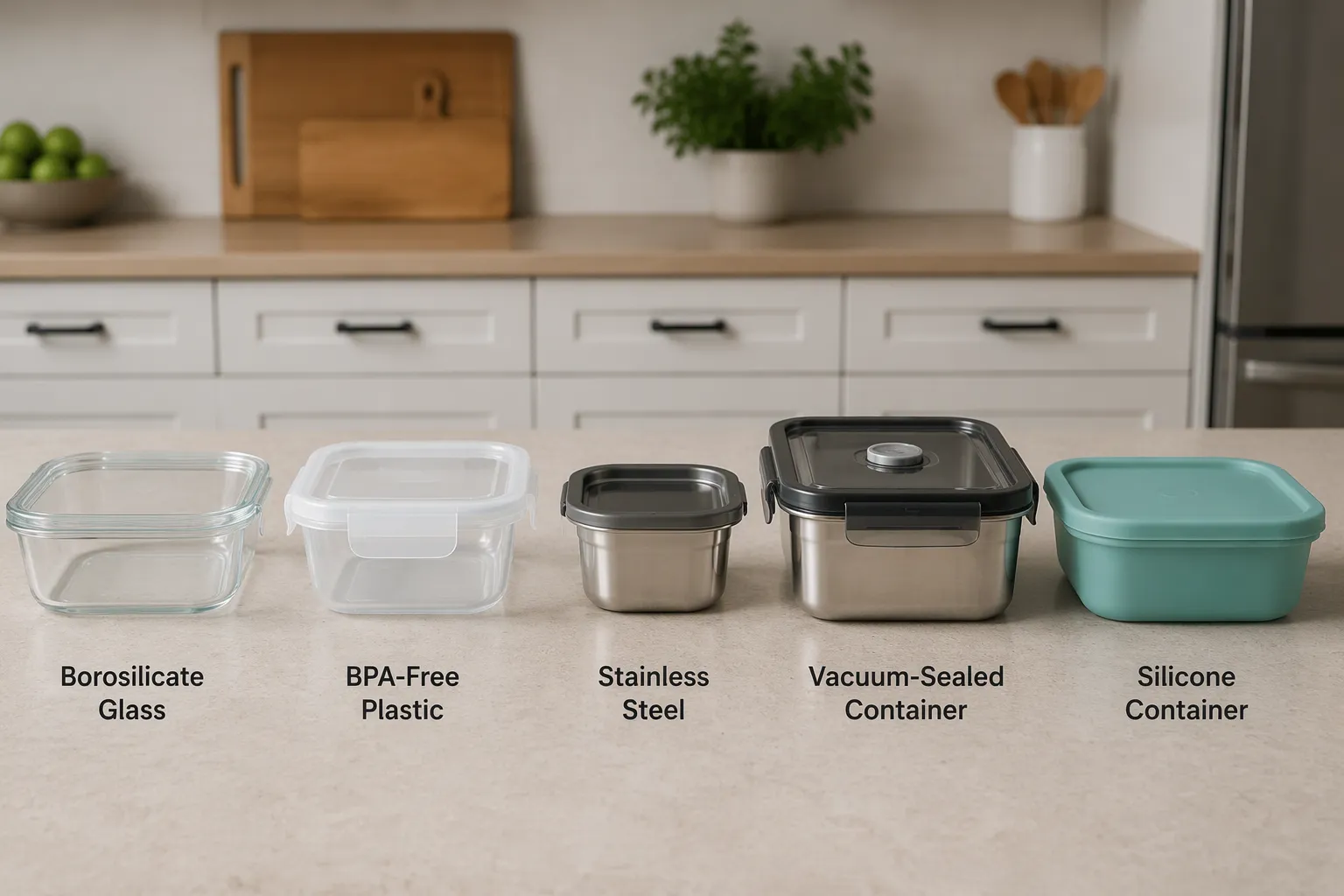
Glass and high-quality plastic are the top choices for everyday storage. Each material has its own strengths in your kitchen.
Borosilicate glass does not stain or hold odors at all. It will never soak up turmeric, garlic, or tomato sauce. You can safely move it from fridge to oven at temperatures between 450°F and 550°F, but you must take the lid off first. Glass has no risk of chemicals leaking out when heated. The FDA generally considers glass safe for all food types, and standard glass needs no food contact notification. Decorated or colored glass must still meet lead and cadmium limits. Expect a heavier container, about 1.2 to 2.0 pounds, and a higher upfront cost. That weight pays off because the glass lasts indefinitely unless it cracks.
BPA-free plastic, like polypropylene or Tritan, is light and easy to carry at about 0.2 to 0.4 pounds. It survives drops that would chip glass. Plastic costs less upfront, but its porous surface can discolor and hold smells over time. Expect to replace it every two to five years. Plastic must use FDA-listed polymers and pass migration testing. Bottles must also list approved food types, such as aqueous, acidic, fatty, or alcoholic. Note that the FDA does not certify packaging. When a supplier claims "FDA approved," it should mean the material meets Title 21 of the Code of Federal Regulations.
Stainless steel containers nest compactly and take up less shelf space than glass. They weigh less than glass and often handle oven heat, but you must never microwave them. Many stainless steel models still earn high overall scores in Consumer Reports testing despite this limitation. Look for premium austenitic grades such as 304 and 316. These grades pair with electrochemical polishing and high-temperature vacuum annealing to meet European food contact benchmarks. Stainless steel sits in the mid-to-high price range and lasts for years.
Vacuum-sealed systems give the strongest freshness performance. A stainless steel gastronorm container with a matching vacuum lid removes oxygen entirely. This blocks oxidation and bacterial growth, so nutrients and flavors stay intact. You can store food for several days or weeks, depending on the item. These systems cost more than standard containers, and you must match lid and base formats correctly.
Silicone containers collapse flat for storage and resist sticking. Silicone withstands high heat, so top models handle microwave and dishwasher cycles, though you should confirm ratings on the packaging. Certified manufacturers use virgin food-grade silicone and run migration testing under simulated thermal conditions. Silicone sits in the moderate price range and suits flexible, space-saving storage.
Compliance work adds cost across every material. Manufacturers must evaluate materials, additives, coatings, and seals against food contact rules. Selling in multiple countries raises complexity because permitted substances differ. The FDA determined in January 2025 that 35 PFAS-related food contact notifications were no longer effective. Such actions push material substitution and supplier reassessment across the industry.
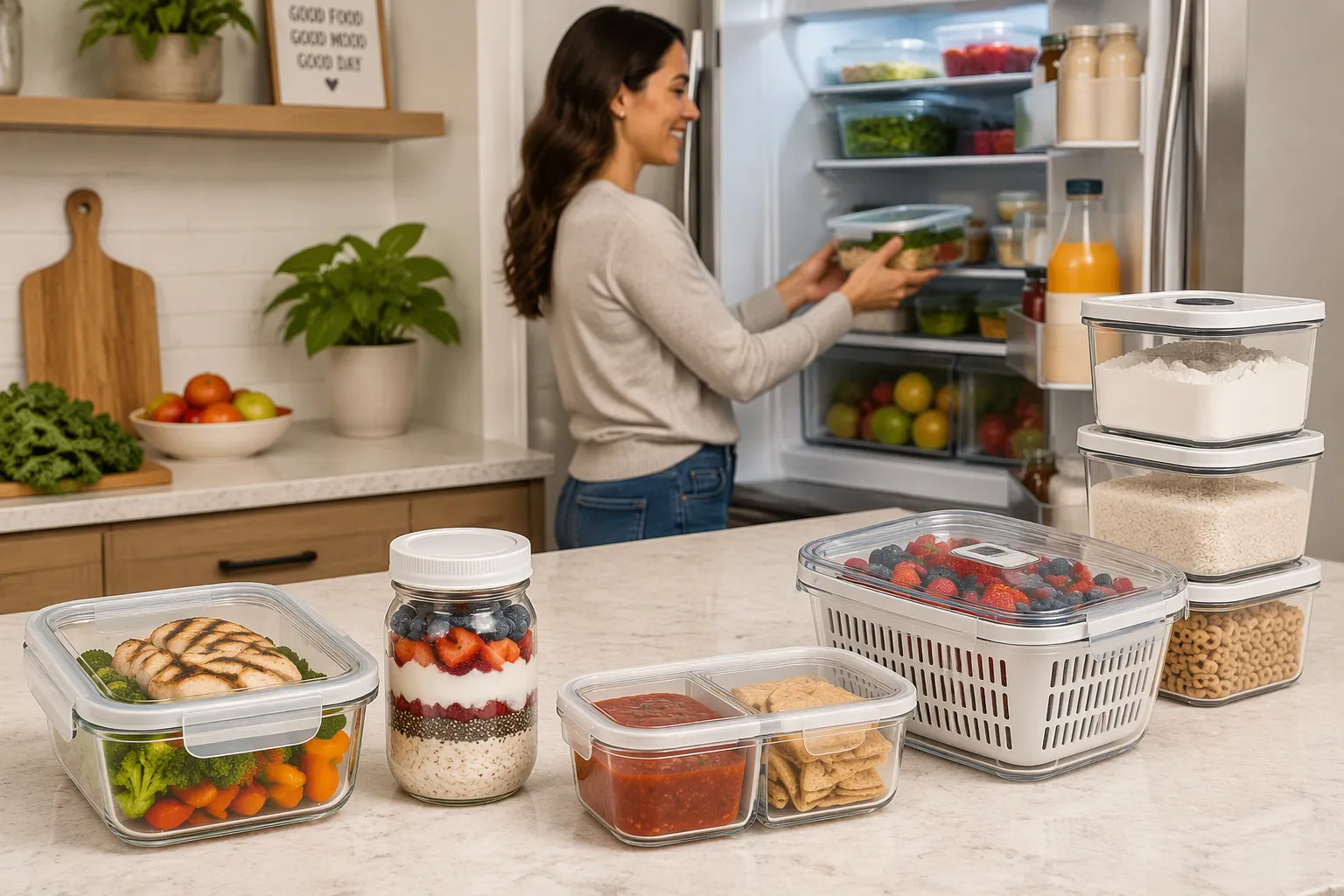
Leftovers and meal prep reward containers with tight seals and the right size. A container that is too large leaves extra air around your food. That air speeds up spoilage. For single-portion lunches and dinners, look for containers in the 24-30 oz range. Overnight oats fit well in a 10-12 oz jar.
Check a few features before you buy:
Both the lid and the base should be dishwasher safe.
The container should handle microwave reheating.
The material should resist cracks and dullness over years of use.
The size should match your portions and your fridge space.
Divided containers help when you want to keep wet and dry foods apart. Two-compartment models often come with a lid that seals each section, so sauces stay put. Three-compartment versions rarely offer that same leakproof split, so keep them upright when you travel. Glass works well for freezer meals and reheating. Jars suit layered salads, soups, and parfaits, and no-leak plastic lids prevent rust on the rim. Vacuum seal systems extend storage time further by pulling air out of the container.
Fresh produce needs airflow and moisture control, not a perfect vacuum. Produce keepers with a vent and a removable colander basket let you rinse berries and store them without trapped dampness. Some models include a carbon filter that you replace after 90 days. Choose dishwasher-safe designs with few parts, because hand washing makes you less likely to use them. Keep ethylene-producing fruits, such as apples and bananas, away from leafy greens and cabbage. Add a paper towel to absorb extra moisture, and store each type of produce separately. Potatoes, onions, tomatoes, avocados, garlic, cucumbers, and peppers stay out of the fridge.
Dry goods call for airtight pantry containers. Pop-style lids open with one press and seal flat, which keeps flour, rice, and cereal away from humidity and pests. Stackable sets save shelf space and let you see what you have. For liquids, pick leakproof containers with a gasket and locking clips. Soups, dressings, and sauces need a seal that holds when the container tips over. Rounded corners make cleaning easier and leave fewer places for residue to hide.
Match each food container to its job. A divided glass box suits leftovers, a vented keeper suits berries, a pop-style canister suits grains, and a clipped leakproof box suits broth. That match matters more than any single product claim.
How you fill a container shapes how long the food inside stays good. Leave a little headspace at the top, and never pack food tight against the lid. Air needs room to move, and an overpacked container traps moisture against the food. Seal leftovers in airtight bags or a vacuum sealer when you plan to freeze them. A simple sticker with the food name and the date saves you guesswork later.
Cooling deserves the same care. Refrigerate leftovers within 2 hours of cooking. Slow cooling lets bacteria build up, and a hot pot placed straight in the fridge can raise the unit's temperature and put other food at risk. Use shallow containers no more than 5 to 7 cm deep, stir the food as it cools, or set the pot in a basin of cold water. Eat refrigerated leftovers within 3 to 4 days.
A seal only works while it stays clean and intact. Wipe the rim with a damp paper towel before you close the lid, and check for nicks, cracks, or food particles on the sealing surface. Inspect gaskets for dents and scratches, and replace worn lids rather than forcing them shut. Store sealed Food Containers between 50°F and 70°F, and avoid sharp temperature swings that stress the seal.
Rotation keeps older items from hiding at the back of the shelf. Follow First In, First Out: use the container with the earliest date first. First Expired, First Out works better for items with clear expiration dates. Date every container, and move older ones to the front when you add new stock. This habit cuts waste and keeps quality high.
Pick the right container for each job, and your food will stay fresh. For leftovers, use glass. It does not soak up anything, so tomato sauce and curry leave no stain or smell. Produce stays better in containers with vents that let ethylene gas out. Dry goods need a seal that keeps out moisture and pests. Liquids need leakproof lids with a gasket that holds when the box tips over.
The main rule is still the same: airtight, opaque, glass or good plastic, and vacuum-sealed systems work best of all. No single Food Containers choice wins every time. Think about where you store food, how you carry it, and how often you reheat it. That fit matters more than any label.
Yes. A tight seal blocks the oxygen that spoils food, so it does more for freshness than the material alone. Glass and quality plastic both work well when the lid seals flat against the rim. Vacuum-sealed systems go further by removing the oxygen entirely.
Borosilicate glass handles oven heat between 450°F and 550°F. Take the lid off first. Glass never stains or holds odors, which makes it a strong pick for reheating leftovers. Expect more weight and a higher upfront cost than plastic.
Refrigerate leftovers within 2 hours of cooking. Use shallow containers no more than 5 to 7 cm deep so the food cools fast. Eat refrigerated leftovers within 3 to 4 days. Date every container so you know what to use first.
No. Fresh produce needs airflow, not a vacuum. A vented keeper with a colander basket lets you rinse berries and store them without trapped dampness. Add a paper towel to absorb extra moisture. Keep ethylene-producing fruits away from leafy greens.
Wipe the rim before you close the lid. Check for nicks, cracks, or food particles on the sealing surface. Inspect gaskets for dents and scratches, and replace worn lids instead of forcing them shut. Store sealed containers between 50°F and 70°F.


