
Views: 0 Author: Site Editor Publish Time: 2026-11-19 Origin: Site

What is blister packaging? You get a product sealed between a pre-formed plastic cavity and a lidding or backing material. The cavity holds the item in place, and the backing seals it shut. Think of tablets in a pharmacy card, a small toy on a pegboard hook, or screws in a hardware pack. You see blister packaging everywhere. This article explains how the process works, the main types, the benefits, and the factors to weigh when you choose a format. Medications stay clean and visible in unit-dose packs, and small consumer goods and hardware ship securely too. Medications and everyday items both benefit from a clear, sealed package. Medicine stays protected inside its own pocket.
Blister packaging seals a product between a plastic cavity and a lidding layer to keep it safe.
The process makes a pocket, fills it, seals it with heat, and cuts the pack.
Common types include carded blisters, clamshells, and pharmaceutical unit-dose packs.
Blister packs keep items safe from moisture and dust. They also show if someone has tampered with them.
Pick materials and a design that fit what the product needs, the rules it must follow, and the cost.
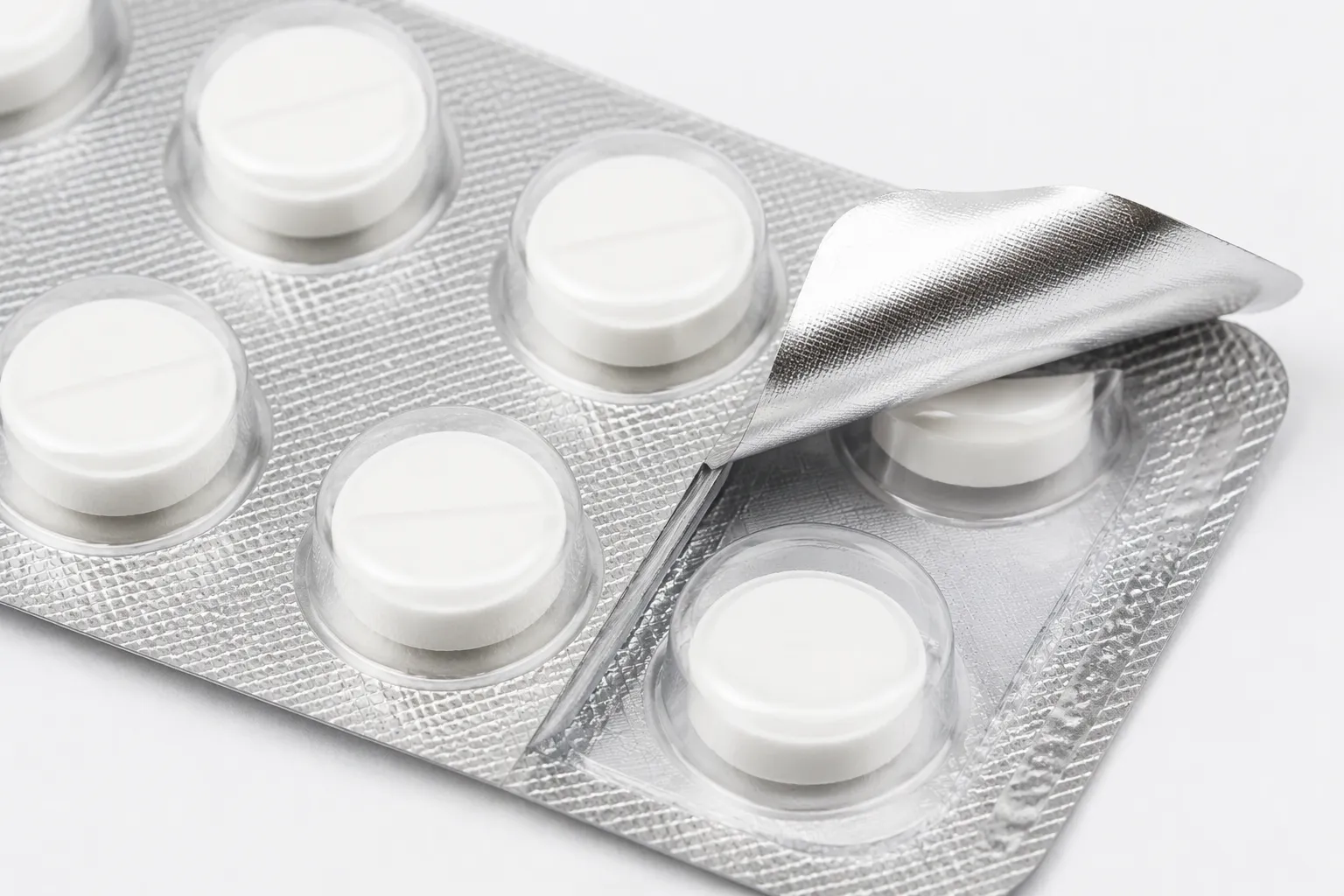
A blister package holds a product between two layers. The first layer is a thermoformed plastic cavity. This cavity is a pocket shaped to match the product. The second layer is a lidding foil or a backing card. The product sits inside the pocket. The backing seals the pocket shut. You see this design in medication blister packs at the pharmacy and in hardware packs on store hooks. The clear pocket shows the item, and the sealed backing keeps it clean.
Three parts make up most blister packages. The first component is the cavity. Manufacturers form it from a clear plastic sheet. Heat and pressure push the sheet into a mold. The result is a set of pre-formed clear plastic cavities, each with a pocket for one item. A deeper pocket holds a larger item. A shallow pocket suits a flat item like a tablet. The plastic grade matches the product weight and the barrier needs. Most blister packages use a clear cavity so buyers can inspect the product.
The second component is the lidding material. This layer can be aluminum foil, coated paperboard, or a plastic film. Foil blocks moisture and light. Paperboard carries printed branding and hanging holes. Film offers a see-through option for retail display.
The third component is the seal. Heat and pressure bond the lidding to the plastic flange around each pocket. The flange is the flat rim between pockets. A strong seal keeps the pocket closed until the user peels or pushes the product out.
The product rests between the cavity and the lidding. The pocket holds the item in place. The seal keeps out air, moisture, and dust. You can see the product through the clear plastic blister without opening the pack. These components of a blister pack work together as one unit. Change one part, and you change the protection level of the whole pack.
Each packaging format fits a different job. A pouch suits loose parts and flexible goods. A bottle works well for bulk tablets and liquids. Shrink wrap holds groups of items together on a tray. Blister packs excel at single-item protection and unit dosing. No format wins everywhere. You weigh cost, protection, and shelf appeal for each option.
Format |
Best fit |
|---|---|
Blister |
Single items, unit doses, retail display |
Pouch |
Loose parts, flexible goods, refills |
Bottle |
Bulk tablets, liquids, powders |
Shrink wrap |
Multi-packs, tray bundles, shipping groups |
A medication blister pack gives each pill its own sealed pocket. A bottle holds many medications in one space. Both protect medicine well. The choice depends on your dose count, your display needs, and your handling chain. A pouch lets you ship refills in bulk. Shrink wrap keeps a tray of goods stable on a pallet. Medications need protection from moisture and light in every format. Some medications ship as single doses. Other medications ship in bulk.
Pharmacies favor blister packaging for unit-dose medications. Retailers favor blister packages for small goods that need to hang on a pegboard. Shippers favor blister packages for parts that need visible protection. Each format has a place. You pick the one that matches your product, your channel, and your customer.

The blister packing process follows a clear sequence. Each stage builds on the one before it. You can trace a product from a flat plastic sheet to a finished, sealed pack in five main steps.
Form the cavity. You heat a plastic sheet until it softens. Then you press it into a mold or pull it over a shaped tool. The sheet takes the shape of the pocket. This step is the heart of the thermoforming process.
Fill the pocket. You drop one product into each cavity. Automated lines place tablets, capsules, or small parts with high speed and accuracy. Manual filling suits short runs and odd-shaped items.
Apply the lidding material. You lay foil, film, or coated paperboard over the filled sheet. The lidding covers every pocket at once.
Heat-seal the layers. You press a heated tool against the lidding. Heat and pressure bond the lidding to the flange around each pocket. A clean seal keeps air and moisture out.
Cut and finish. You trim the sheet into cards, strips, or single units. You then print lot codes, add perforations, or punch hanging holes.
Each step affects the next. A shallow pocket holds a flat tablet well. A deep pocket suits a bulky part. A weak seal lets moisture reach the product. You control quality at every stage.
Manufacturers choose a forming method to match the product and the material. One common approach stamps an aluminum-based film into a mold. The metal stretches into a pocket and holds its shape. This method suits products that need a strong moisture barrier. Aluminum blocks light and vapor well. You often see it in medication blister packs.
Plastic sheets follow a different path. Heat softens the sheet, and a vacuum or plug pulls it into the cavity shape. Clear plastic keeps the product visible. Buyers can inspect the item without opening the pack.
Sealing methods vary too. Heat-seal lacquered aluminum lidding foil is a common choice. The lacquer coating melts under heat and bonds to the plastic flange. The seal forms fast and stays tight. Coated paperboard works well for retail blister packs that hang on a pegboard. Plastic film suits see-through blister packages for consumer goods.
The seal quality matters most. A strong bond protects medications from moisture and dust. A weak bond lets air in and shortens shelf life. You test seal strength on a sample from each run. You also check seal temperature and pressure on the line.
Many blister packages combine a clear plastic cavity with a foil lidding. This pairing gives you visibility plus barrier protection. Other blister packages use an all-aluminum build for maximum shelf life. Both designs serve medications well. Your product's sensitivity decides the right match.
The full process rewards careful planning. You pick the cavity material, the lidding, and the seal settings as one system. A change in any part shifts the protection level of the finished blister pack. Good blister packing keeps the product safe from the line to the customer's hand.
A carded blister attaches a plastic blister to a printed paperboard backing. This paperboard and plastic blister pair gives you a printable face, a hanging hole, and a clear window in one pack. Retailers hang these packs on pegboard hooks. Small hardware, toys, and batteries often ship this way. The blister card protects the item and shows it off at the same time.
A clamshell uses two formed plastic halves joined at a hinge. The halves fold together and seal along the edges. You get full visibility and a sturdy shell around the product. Clamshells suit items that need more room than a flat card allows. Both designs are part of the blister packages you see in stores every day.
Pharmaceutical blister packs give each dose its own sealed pocket. A patient pushes a tablet through the lidding foil one pocket at a time. The remaining doses stay sealed and protected. These medication blister packs keep medications clean, dry, and easy to count. Hospitals and long-term care sites depend on them for daily dose control.
Pharmacies also use pharmacy-prepared blister packaging to sort medications by day and time. A weekly card holds single doses of medicine in labeled rows. This format helps patients take the right medicine at the right hour. Other types of blister packaging for the drug industry include strips for clinics and wallets for travel. Each design serves medications with a different handling need.
A sealed pocket keeps each item safe from air, moisture, and dust. The lidding foil blocks light and vapor. The plastic cavity holds the product in place. Together, these layers keep medications stable during shipping and storage. A broken seal gives you a clear warning. You can spot a torn lidding or a lifted edge right away. That visible cue is a key benefit of blister packaging.
Tamper evidence works the same way. A user must peel or push through the lidding to reach the product. Any earlier opening leaves a mark. Pharmacists check this feature on every medication blister pack. Hospitals depend on it for daily dose control. A blister card also shows missing doses right away. You see an empty pocket and know a tablet is gone.
Blister packs suit products that need single-item protection and visible proof of condition. Small hardware, toys, and batteries hang well on a blister card. Pharmaceutical blister packs fit unit-dose medicine in clinics and care homes. The pharmaceutical industry uses them for clinical trials and sample packs. Each pocket delivers a perfect dosage with no counting errors.
These blister packages also fit high-value parts and small electronics. You get a clear window plus a sealed barrier in one pack. Medication blister packs serve patients who sort doses by day. Retail blister packages serve stores that display goods on hooks. Both formats protect the product and show it off. Match the format to your channel, and blister packaging pays off in fewer returns and cleaner handling.
You begin with the product. Medications that react to moisture need a foil lidding and a cavity that blocks moisture well. Retail goods on a pegboard hook may work fine with a clear plastic cavity and a printed card. Match the barrier to the shelf life you promise for your medications. Then make sure the materials meet the rules for your market. Medications for clinics face strict rules on child resistance and labeling. Check those rules before you settle on a design.
Test a sample from each run. Seal strength, pocket depth, and print quality all matter. A strong seal keeps medications safe from air and dust. A weak seal shortens shelf life and puts medications at risk. Write down your results. Good records help you pass an audit and trace a problem fast. Many buyers pair a clear cavity with foil for medications that need both visibility and barrier. Medication blister packs give each dose its own pocket. Pharmacy-prepared blister packaging sorts doses by day. A pharmacy-prepared packaging system needs careful material checks. Medications stay dry in both formats.
Tooling causes the first cost. You pay for a mold that shapes each pocket. A simple carded blister needs less tooling than a deep clamshell. Material choice causes the ongoing cost. Foil costs more than film. Volume causes the unit price. Long runs spread setup costs across more units.
Weigh the total cost, not just the pack price. A cheap blister package that fails in transit costs more in returns. A sturdy design cuts damage and protects medications. Medications keep their strength in a tight seal. Medications reach the patient intact. Ask your supplier for a quote at your real volume. Compare blister packing options side by side. The right blister packaging balances protection, compliance, and price. Carded blister packages suit retail shelves. Clamshell blister packages hold bulky items. Blister packs protect single items well. Some blister packages use all-aluminum builds. Choose blister packages that match your channel.
Blister packaging seals a product between a formed plastic cavity and a lidding layer. Heat softens the plastic, a mold shapes each pocket, and a heated seal bonds the lidding to the flange.
Carded blisters, clamshells, and unit-dose formats serve a different channel. These blister packs protect medications from moisture and dust and show tamper evidence. Weigh materials, compliance rules, and tooling costs for your medications before you commit. Medications need the right barrier. Final thoughts on blister packaging should center on fit, not price. Talk to packaging experts about your medications. They can match blister packages and materials to your product. The right blister packages keep medications safe from line to shelf.
You get the best results with small, solid items that need single-unit protection. Tablets, capsules, hardware, toys, and batteries all fit well. Each pocket holds one item and shows it clearly. Soft or bulky goods usually suit a pouch or clamshell instead.
Start with what your product needs. A clear plastic cavity gives you visibility for retail display. A foil-based cavity blocks moisture and light for sensitive medications. Match the barrier to your promised shelf life, then confirm the material meets your market's rules.
Yes. A sealed pocket keeps each dose clean, dry, and protected from light. Foil lidding blocks moisture and vapor well. A torn or lifted seal warns you right away. Many medications ship this way in clinics, pharmacies, and care homes.
Tooling comes first, since you pay for the mold that shapes each pocket. Material choice drives ongoing cost, and foil costs more than film. Volume lowers the unit price. Weigh total cost, not just pack price, because a failed pack costs more in returns.
You pull a sample from each run and test the bond. A strong seal keeps air and moisture out. You also watch seal temperature and pressure on the line. Good records help you trace a problem fast and pass an audit.


