
Views: 0 Author: Site Editor Publish Time: 2025-06-04 Origin: Site
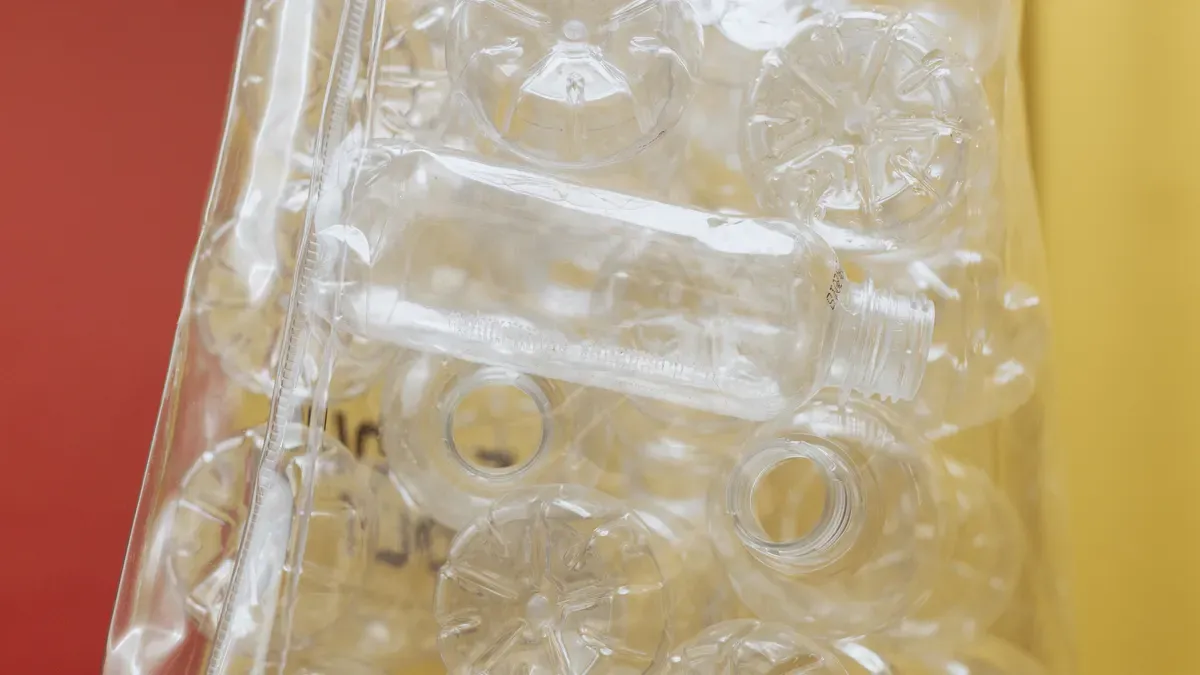
Thermoforming changes plastic sheets into helpful products. It does this by heating them and shaping them over a mold. You can find thermoforming in things you use every day. These include food packaging and car parts. If you learn how thermoforming works, you can make good choices in making things. The thermoforming process uses heat and pressure. This makes strong and light designs fast. Thermoforming lets you get custom parts that fit what you need. Many industries use thermoforming because it is flexible and saves money. You can trust thermoforming for small and big projects.
Thermoforming uses heat and molds to shape plastic sheets into products. It is quicker and costs less than other ways like injection molding. Thermoforming works well for small and medium projects with special designs. People use it for packaging, car parts, and cases for electronics. Picking the right materials can help make thermoforming better for the environment.
Thermoforming helps turn plastic sheets into things we use. First, you heat a plastic sheet until it gets soft. Next, you stretch the sheet over a mold. Then, you use pressure or a vacuum to shape it. When the plastic cools down, you cut off the extra pieces. This way, you can make things like food containers, trays, and car panels.
There are different ways to do thermoforming, like vacuum forming and pressure forming. All these ways use heat and force to shape plastic. The tools and steps can be a little different. Thermoforming is special because it is easy and quick. You do not need fancy molds or a lot of setup time. That is why many people pick thermoforming for their projects.
You might wonder how thermoforming is different from other ways, like injection molding. The table below shows some main differences:
| Characteristic | Thermoforming | Other Methods |
|---|---|---|
| Speed | Faster production process | Slower, especially for complex parts |
| Cost-effectiveness | Often cheaper than injection molding | Generally more expensive for small runs |
| Production Volume | Suitable for smaller quantities | Ideal for large, high-volume runs |
| Geometry | Accommodates simpler geometries | Can handle complex geometries |
| Tolerances | Larger tolerances | Tighter tolerances possible |
Thermoforming is usually faster and costs less than injection molding. You can get your molds made in less time. This means you can start making things sooner. Thermoforming is good for making a small or medium number of parts. If you need a lot of parts, injection molding might be better. For big parts or if you want to save money on molds, thermoforming is a great choice.
Tip: If you want to make a prototype or need a special design, thermoforming is fast and flexible.
You can use thermoforming for both small and big jobs. This makes it a good choice for many businesses.
The plastic thermoforming process has easy steps. First, you pick a design and choose the material. You put plastic sheets in frames to hold them. The sheets get heated until they are soft. Then, you press the soft sheets onto a mold. You use vacuum or pressure to shape the plastic. The shaped part cools down and gets hard. You check and cut the finished part. You smooth the edges so they are not rough.
Here is a simple list of the main steps:
Put plastic sheets in clamping frames.
Heat the sheets in the thermoforming machine.
Press the soft sheets onto the mold.
Use vacuum or pressure to make the shape.
Let the part cool and get hard.
Check and trim the product.
Smooth the edges.
Tip: The plastic thermoforming process uses heat and pressure. This shapes plastic sheets fast. You can make many parts quickly.
You need to think before you start thermoforming. You pick the right plastic sheets for your part. You look at how hot or cold the part will get. You check if the plastic is strong and if it can handle chemicals. You also think about the shape and how thick the part should be. These things help you choose the best material.
| Factors Influencing Material Selection |
|---|
| Temperature performance |
| Mechanical properties |
| Chemical resistance |
| Specific application requirements |
You also think about how the material works and how easy it is to use. You check if the material is easy to find and how much it costs. You control wall thickness to stop problems. You add draft angles to help take parts out of molds. You avoid sharp corners to keep the part strong. You set up heating zones so the sheet gets soft evenly.
Note: Good design choices early can make better products. They also help stop problems when making parts.
You heat plastic sheets with special heaters or ovens. Most plastics need less than 500 degrees Fahrenheit. The right temperature depends on the plastic type. For example, PVC needs 250 to 350°F. PET needs 350 to 400°F. ABS needs 300 to 400°F. Thicker sheets need more time to heat.
| Material Type | Temperature Range (°F) | Notes |
|---|---|---|
| PVC | 250 - 350 | Commonly used for thermoforming |
| PET | 350 - 400 | Needs precise temperature control |
| ABS | 300 - 400 | Thicker sheets need longer heating |
There are different ways to form the plastic. Mechanical forming uses a press for deep shapes. Drape forming is good for simple shapes. Matched mold forming uses two molds for more detail. Billow forming uses air to make hollow shapes.
| Technique | Features | Common Applications |
|---|---|---|
| Mechanical Forming | Uses a press for intricate details | Interior panels, dashboards |
| Drape Forming | Drapes sheet over mold, cost-effective | Display items, windshields |
| Matched Mold Forming | Uses male and female molds for precision | Automotive, medical devices |
| Billow Forming | Uses air for hollow forms | Bottles, containers |
Callout: The plastic thermoforming process is easy and quick. You can shape plastic sheets into many designs with little setup.
You cool the shaped plastic with air or water. Air cooling blows air to cool the part evenly. Water-cooled mold channels move heat away fast. Sometimes, you use both air and water for the best cooling.
| Method | Description |
|---|---|
| Air Cooling | Rapidly cools the molded plastic using air to solidify its form. |
| Water Cooling | Uses water to cool the plastic quickly, ensuring a solid shape is achieved. |
| Controlled Air Circulation | Utilizes air flow to cool the molded plastic, ensuring even cooling across the part. |
| Water-Cooled Mold Channels | Incorporates channels within the mold that circulate water to rapidly remove heat from the part. |
| Combination of Cooling Methods | Employs both air and water cooling for optimal cooling efficiency based on part requirements. |
After cooling, you cut off extra plastic. Many machines have tools like CNC routers and die cutters. This step makes the part neat and finished. You smooth the edges so the part is safe to touch.
Note: Cooling the right way makes the part strong and keeps its shape. Cooling too fast can cause problems inside the part.
You can see that the plastic thermoforming process uses heat and pressure. It is simple and fast. You can make many products with less work and time.
You can use many kinds of thermoplastic material in thermoforming. Polypropylene is the most used. It made up more than 21% of sales in 2023. Other plastics include polystyrene, polyethylene, PMMA, ABS, PVC, and HIPS. These plastic sheets help make products strong and light. The worldwide market for thermoformed plastic was about USD 14.79 billion in 2023. You use these sheets for packaging, car parts, and electronics. When picking thermoforming materials, you want them to be easy to shape and last long.
Polypropylene (PP) is used for food containers and medical trays.
Polystyrene (PS) is good for cups and packaging.
Polyethylene (PE) bends easily and can take hits.
PMMA is clear and works for display cases and signs.
ABS is strong and used for car panels.
PVC stands up to chemicals and is used in building.
HIPS is tough and cheap for packaging.
You often use materials that work well in vacuum forming for similar jobs. These plastic sheets let you make many shapes with simple tools.
You need to look at thermoplastic material before starting your project. Each plastic sheet has its own features. You want products that are light and resist rust and hits. You also need materials that can handle hot and cold. The table below shows important features of thermoforming materials:
| Property | Description |
|---|---|
| Lightweight Properties | Thermoformed plastics weigh less than metals. This makes them easier to move and helps save fuel. |
| Corrosion Resistance | Plastics like HDPE and PETG do not rust. They stay strong in tough places. |
| Impact Resistance | These plastics can take hits without breaking. They bend but do not crack. |
| Temperature Resistance | Some plastics keep their strength in hot and cold. They work well in many temperatures. |
You pick thermoplastic material based on what you need. If you want clear sheets, you choose PMMA. For strong parts, you pick ABS. If you need flexible sheets, polyethylene is best. You can use plastic sheets for many shapes and sizes. Thermoforming lets you make custom parts fast. You get products that are strong, light, and last a long time.
Tip: Always check your thermoforming materials before you start. This helps you avoid problems and get good results.
Thermoforming lets you make many useful things from plastic sheets. You see these things in lots of different jobs and businesses. When you look at how people use plastic thermoforming, you see it helps in daily life.
Thermoforming is used a lot for packaging. Food containers, trays, and clamshells are made this way. This keeps food safe and fresh for longer. You can pick special shapes and sizes for your packages. This helps your brand look different in stores.
Thermoformed packaging gives you:
Strong safety for food and other items
Custom looks to help your brand
Lower costs because you use less plastic and energy
Greener choices with plastics you can recycle
Tip: Thermoforming uses thin sheets, so you make less trash and save materials. You also help the planet by recycling extra plastic during making.
Thermoforming is used in cars, trucks, and buses. It shapes bumpers, door panels, dashboards, and engine covers. These parts are light but still strong. This helps cars use less gas and last longer.
Common thermoformed automotive parts include:
Bumpers and body panels
Door panels and dashboards
Grilles and insulation pieces
Engine covers
Thermoforming lets you make cool shapes and save money. Plastic sheets do not rust, so parts last longer. You also use less energy to make these than metal parts.
Thermoforming helps keep your devices safe. You get special cases for phones, tablets, and other electronics. These cases keep out dust, water, and bumps. You can make light and easy-to-hold designs that fit well.
Thermoforming in electronics gives you:
Cases for phones and tablets
Covers for important parts
Custom shapes for better safety
You use plastics like polycarbonate and acrylic because they are strong and light. Thermoforming helps you make detailed parts that protect your electronics.
You can see that thermoforming and plastic sheets are important in many jobs. This process gives you quick, flexible, and cheap ways to make what you need.
Thermoforming has many good points when making plastic parts. You can use it for small jobs or big ones. These benefits help you save money and work faster. You can also make better designs. Picking the right materials can help the environment too.
You want to spend less money when making new things. Thermoforming is one of the cheapest ways to make plastic parts. You pay less for molds because they are simple and use only one side. Most molds are made from aluminum. This means you spend a lot less on tools than with injection molding. You do not need a lot of money to start.
Cheaper molds make thermoforming good for small and medium jobs.
You can make hundreds or thousands of parts each year without spending a lot at first.
Simple molds help you get your parts faster and with less trouble.
You can save money, change designs, and work fast compared to other ways.
Thermoforming is a smart choice for both test parts and real products. You can make good parts without spending too much. It works well for custom parts or if you need to change your design fast.
Tip: If you want to try a new idea or make a few parts, thermoforming lets you spend less on tools and get results quickly.
You need to work fast in today’s world. Thermoforming helps you get your products ready quickly. Making molds for thermoforming takes less time than other ways. You can get your molds in 3 to 8 weeks. You can start making parts in 2 to 6 weeks. The whole process usually takes 8 to 14 weeks. Injection molding can take up to 24 weeks.
| Method | Tooling Time | Production Time | Total Lead Time |
|---|---|---|---|
| Thermoforming | 3-8 weeks | 2-6 weeks | 8-14 weeks |
| Injection Molding | N/A | N/A | 24 weeks |
You can make more parts easily. You only need small changes to the molds or settings to make new shapes or sizes. This helps you keep up with new rules or what people want. Thermoforming works for small batches or big orders.
You can change sheet thickness and settings fast.
You do not need big changes to make new parts.
You can react to what customers want right away.
Note: Thermoforming is a cheap way to make small numbers of parts. It is great for test runs and first batches.
You want your products to look nice and work well. Thermoforming lets you make many shapes and sizes. You can add things like curves, textures, and logos. It works for simple or hard designs.
You can make parts from one sheet. This makes them strong and light.
You can control how thick the part is and add draft angles.
You can make big parts or small, detailed ones.
Thermoforming helps you make new products fast. You can change your design and make new molds quickly. This lets you test ideas and make your products better. You get lots of detail without spending a lot, which is good for custom jobs.
You can make test parts before making a lot.
You can change your design without spending too much.
You can make good parts with less time and money.
Callout: Design flexibility helps you meet special needs and stand out from others.
You care about the earth. Thermoforming helps you make greener choices. You can use plastics that can be recycled, like PET and HDPE. These can be used again, so you make less waste. You can also use recycled plastics or bioplastics to help even more.
Using recycled plastics saves resources and keeps trash out of landfills.
Bioplastics can break down on their own, which is good for nature.
Natural fiber mixes use less plastic and can break down better.
Thermoforming uses light materials. Light parts cost less to ship and use less fuel. This means less pollution. The process also uses less energy than other ways, which saves power.
You can recycle extra plastic and use it again.
You can make parts that can be recycled 100%.
You help lower greenhouse gases by picking smart materials.
Tip: Picking green materials in thermoforming helps close the loop and protects the planet.
You can see that thermoforming has many good points. You save money, work faster, and make flexible designs. You also help the earth by using smart materials and less energy. Thermoforming gives you cheap, high-quality products for many needs.
You now know the basics of thermoforming. You learned how the process shapes plastic sheets into useful products. You saw which materials work best and where you can use thermoforming, like in packaging and cars. The main benefits include low cost, speed, and design options. If you want to make strong, light parts, thermoforming gives you a smart choice.
Tip: Start by testing small projects with thermoforming to see how it fits your needs.
Vacuum forming pulls plastic sheets onto a mold using air. Pressure forming uses extra air to push the sheet harder. Pressure forming makes edges sharper and surfaces smoother.
Many thermoformed plastics, like PET and HDPE, can be recycled. You collect them, clean them, and melt them to make new things. Recycling helps cut down waste and keeps nature safe.
Plastic sheets can be as thin as 0.010 inches. They can also be as thick as 0.500 inches. Thicker sheets make parts stronger. Thin sheets are good for packaging and light items.
Thermoforming is great for making prototypes fast. You spend less money on molds and get parts quickly. This lets you test ideas before making lots of products.
Thermoforming is used in packaging, cars, medical, and electronics. These industries use it for trays, panels, cases, and covers. Thermoforming gives custom shapes and saves money.


