
Views: 0 Author: Site Editor Publish Time: 2025-10-19 Origin: Site
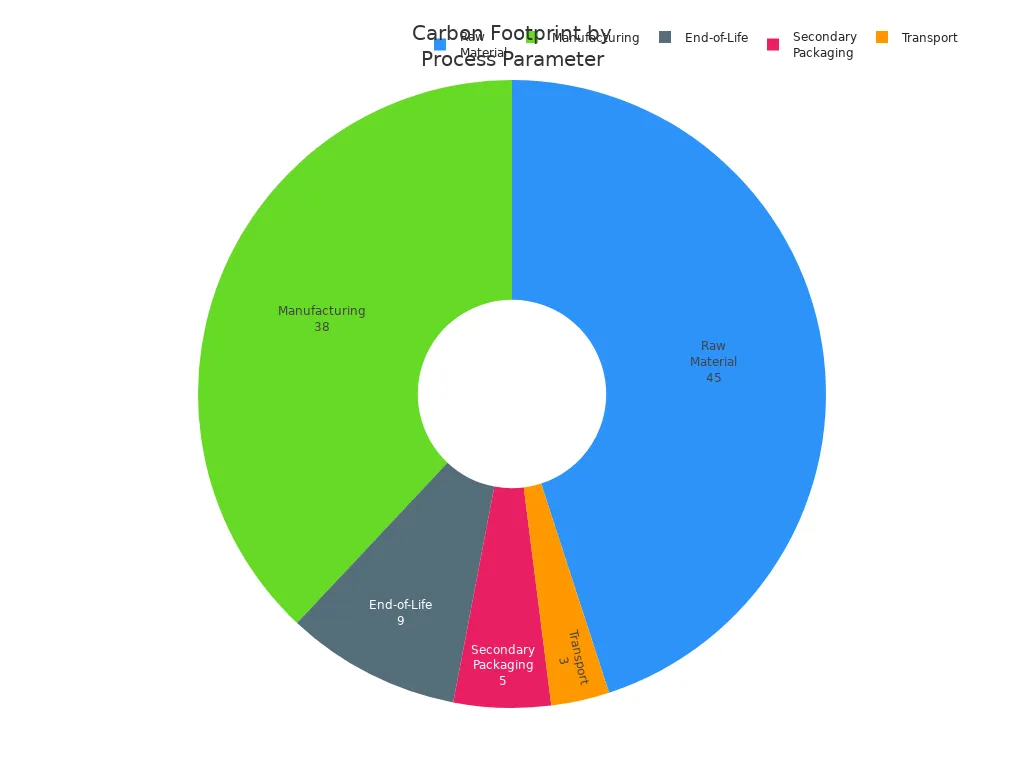
Parameter | Contribution to Carbon Footprint (%) |
|---|---|
Raw Material | 45% |
Manufacturing | 38% |
Secondary Packaging | 5% |
Transport | 3% |
End-of-Life | 9% |
You can make real changes by using materials well. You can also cut waste, recycle more, and save energy.
Pick eco-friendly materials like recycled plastics and bioplastics. This helps lower your carbon footprint. It also meets customer demand for green products.
Make process improvements like better heating systems and lean manufacturing. These changes save energy and reduce waste. They also make product quality better.
Use digital tools and real-time data to help use materials better. This can save a lot of money. It also cuts down on scrap.
Try closed-loop recycling and chemical recycling methods. These ways help cut waste and emissions. They keep valuable materials in use longer.
Design products so they can be recycled. This helps support a circular economy. It makes sure materials can be reused. It also lowers environmental impact.
You can help the planet by picking good materials for eco-friendly thermoforming. Many companies now use materials that are better for the environment and lower carbon emissions. Here is a table that lists some common sustainable materials and how they affect the environment:
Material Type | Recyclability | Environmental Impact |
|---|---|---|
Bioplastics | Biodegradable, from renewables | Reduces fossil fuel use, lowers carbon footprint |
Recycled Plastics | Highly recyclable | Keeps waste out of landfills, cuts down on new plastic |
Polypropylene (PP) | Highly recyclable | Uses fewer resources, has a lower carbon footprint |
Plant-Based Plastics | Biodegradable or non-biodegradable | Offers a green choice instead of petrochemical plastics |
Bioplastics are special because they come from things that grow back. Using them helps nature. They can make much less carbon—sometimes 73% less than regular plastics. Bioplastics also need less energy to make. The effect depends on how plants are grown and what happens to the product when it is done being used.
Recycled plastics from people’s trash are important for eco-friendly packaging. When you use recycled plastics, you keep trash out of dumps and use less new plastic. Polypropylene (PP) is a smart pick too. It is easy to recycle and takes less energy to make. Natural fiber composites made from plants can also help lower your carbon footprint. These materials help you reach your green goals and show customers you care about the earth.
Tip: When you choose materials for your products, pick ones that are easy to recycle or come from things that grow back. This helps you be more eco-friendly and makes your products stand out.
You can make thermoforming even greener by changing how you work. New ways help you save energy, cut waste, and make better products. Here are some ideas to make your work better for the planet:
Use better heating systems to save energy.
Add machines that control the process to make less waste.
Pick molds that are very exact to cut down on scraps.
Try new ways to trim so you use more of each sheet.
Follow lean manufacturing to remove steps that waste time or materials.
Use process control to find problems early.
Start programs that help you keep improving.
These changes help you use less energy and make less trash. They also make your products greener and save you money. Picking better materials and controlling your process means you can offer eco-friendly products to your customers.
Closed-loop recycling and chemical depolymerization are great ways to cut waste and emissions in thermoforming. Closed-loop recycling lets you turn old plastic back into new material. One study showed you can reuse 98.1% of a type of plastic with almost no loss in quality. Chemical recycling can handle up to 82% of all plastic packaging. It also lowers greenhouse gases by up to 20% compared to making new plastic. Depolymerization, a kind of chemical recycling, can lower emissions by 12%.
Note: By using closed-loop recycling and chemical depolymerization, you keep useful materials working and make less pollution. These steps help you reach your eco-friendly goals faster.
Eco-friendly thermoforming is not just about the materials you pick. It is also about how you make things. When you use smart materials and better ways to work, you help build a greener future.
You can help the planet by using materials in smart ways. When you use less material, you make less waste and save money. Digital twin technology and smart software help you design strong products with thin walls. This lets you use less plastic but still keep products safe. Real-time data systems help you find problems quickly. You can fix issues fast and make less scrap.
Here is a table that shows how using materials better helps you:
Benefit | Description | Quantifiable Impact |
|---|---|---|
Material Savings | Digital twin technology helps you use less material. | 10% less raw material used. |
Scrap Reduction | Real-time data helps you make less scrap. | 50% less scrap made. |
Cost Savings | Using less material saves money each year. | €2 million saved every year. |
AI and physics tools can tell you the best wall thickness for your products. This can help you use 5–15% less plastic. You can save lots of money each year. Predictive heater controls help you use less electricity. You can save up to 25% on energy. Faster setups mean you spend less time and resources switching jobs.
Tip: Use digital tools and real-time data to watch your material use. Small changes can save money and help the earth.
Cutting waste is important for eco-friendly thermoforming. When you make less scrap, you lower your carbon footprint. You also make your process better for the planet. Using raw materials well means less waste goes to landfills. You can recycle scrap right in your plant and turn it into new products.
Using raw materials well makes less waste.
Recycling scrap lowers your carbon footprint.
Using recycled content saves energy.
It cuts greenhouse gas emissions when you make things.
It keeps trash out of landfills and saves resources.
In-plant recycling systems let you collect and reuse leftover plastic. This keeps good materials working longer. You do not need as much new plastic. You can add bio-additives to your plastics. These special ingredients help plastic break down in many places. Less waste ends up in landfills.
Here is a table that shows how bio-additives help with waste and sustainability:
Aspect | Description |
|---|---|
Bio-additive Functionality | Helps plastic break down anywhere, so less goes to landfills. |
Environmental Impact | No harm to the environment, supports eco-friendly actions. |
Versatility | Works in many places, makes thermoforming more sustainable. |
Bio-additives work in lots of products, like films, trays, and textiles. They can make your materials stronger and better at blocking things. You get better products and help the planet too.
Note: By using materials wisely and cutting waste, you help the earth and make your business greener. These steps help you give customers what they want and protect nature for the future.
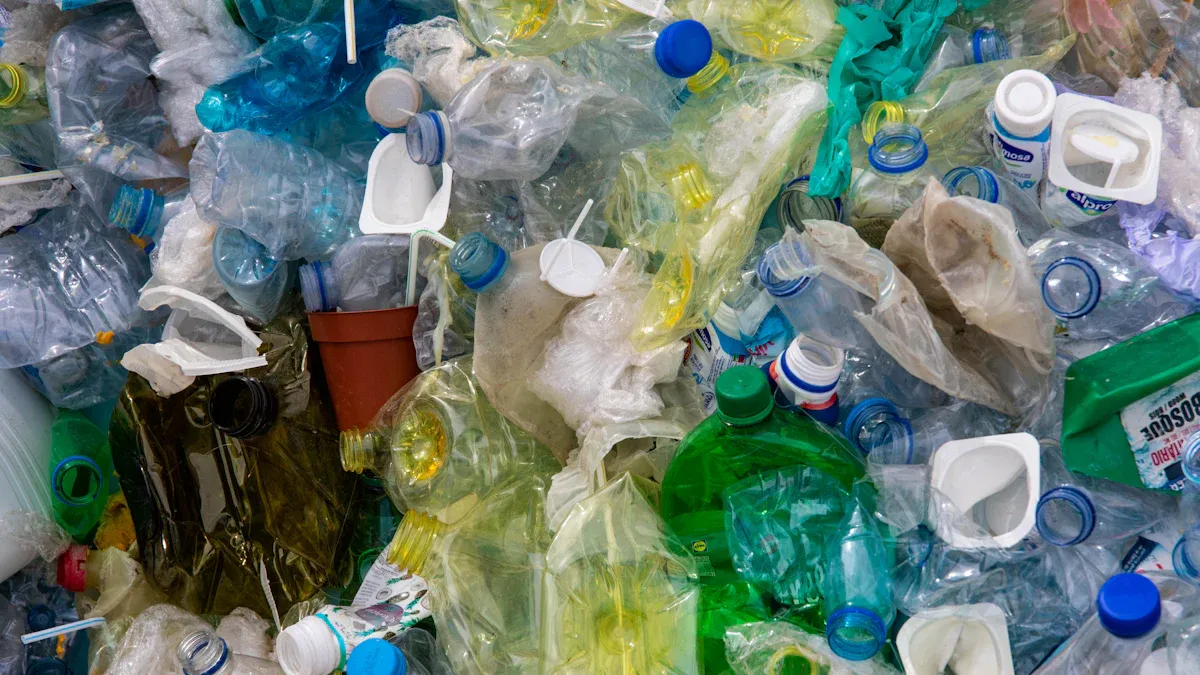
You can help recycling by planning for it early. Think about what happens to products when people finish using them. This helps keep materials working and supports a circular economy. Here are some smart ways to do this:
Make designs that are easy to take apart.
Use packaging that fits with recycling programs.
Pick materials like post-consumer recycled plastics.
Use life cycle assessment to check the impact.
Find new ways to make recycling better and faster.
If you follow these steps, products can go back into use. They do not become trash. You also help eco-friendly thermoforming by making products that work with recycling.
Adding recycled materials makes products greener and lowers carbon footprint. Many companies use closed-loop and in-plant recycling to keep materials working longer. For example, a drug company used 50% recycled high impact polystyrene in trays. They recycled old trays and made new ones. This cut the need for new plastic. It lowered carbon dioxide emissions by 41%.
You can use recycled content from 25% up to 100% in eco-friendly products. Using 25% recycled polypropylene gives almost the same strength as new plastic. Even with 40% recycled content, products still work well. If you use very high recycled content, you might see less strength and stretch.
Here is a table that shows how recycled materials help the environment:
Environmental Benefit | Description |
|---|---|
Reducing carbon footprints and greenhouse emissions | Using recycled plastic lowers carbon emissions compared to new plastics. |
Prevents further pollution | Recycled materials are more eco-friendly and help lower pollution. |
Energy savings | Making things from recycled materials uses much less energy than new materials. |
Recycling plastic can save between 30% and 80% of carbon emissions compared to new plastic. Making a bottle from recycled plastic uses 75% less energy than making one from new plastic. By using recycled content, you help the planet and support eco-friendly manufacturing.
Thermoforming can help you save a lot of energy. It uses less energy for each part than other ways to make plastic. Thermoforming only heats a plastic sheet until it gets soft. Then, the sheet is shaped into what you need. Other ways, like injection molding, need more heat and pressure. This means they use more energy.
Here is a table that shows how much energy each method uses:
Manufacturing Method | Energy Consumption Comparison |
|---|---|
Injection Molding | Needs more energy because it melts and injects plastic at high heat and pressure. |
Thermoforming | Uses less energy since it just heats a plastic sheet and shapes it. |
You can save even more energy by using new machines and tools. Many factories use:
Machines that use less energy for making food packages and clamshells.
Robots and smart tools to use less energy and save money.
Automatic systems to move and cut materials, which makes work faster and with fewer mistakes.
Tools that watch the process in real time and help things run well.
Data tools that help you plan better and save money.
These ideas help you use less energy and waste less. They also make your business better for the earth.
You can make less pollution by using less energy and adding clean energy to your factory. Thermoforming already helps because it uses less material than other ways. You can use up to 30% less material than injection molding. Lighter packages can save 10–15% on fuel when shipping. Using recycled plastics also saves energy and cuts pollution.
Here is a table that shows some ways you can lower waste and pollution:
Evidence Description | Measurable Reduction |
|---|---|
Using less material than injection molding | Up to 30% less material used |
Making packaging lighter | 20% lighter, saving 10-15% on fuel |
Making less waste than old methods | 20-40% less waste made |
You can also use solar power or other clean energy in your factory. Solar heat can take the place of fossil fuels and lower CO₂ pollution. In some places, like Morocco, solar power has helped factories pay less for energy and use less fuel from other countries. When you use clean energy and recycled materials, you help the planet and make your products greener.
Tip: Try using clean energy in your factory. You will save money and help the earth too.
There are lots of new ideas in eco-friendly packaging now. Companies use polyester-based products to lower carbon footprint. New technology lets you use bio-based materials in polyester. These materials break down easier and make less pollution than old plastics. You can also find biodegradable choices like polyhydroxyalkanoates. These natural polymers break down well and help cut plastic waste.
Plastic Ingenuity made a polyester-based tub for medicine packaging. This tub uses recycled content and is simple to recycle. It follows strict rules in Europe and helps lower your impact on the environment. You can pick from many materials for eco-friendly packaging. Some break down in a few years. Others are easy to recycle. Here is a table to compare:
Material Type | Biodegradability | Recyclability |
|---|---|---|
Biodegradable Plastics | Degrades within 1-5 years, no microplastics | Varies, often lower than conventional plastics |
Polypropylene (PP) | Not biodegradable | High |
Polyethylene (PE) | Not biodegradable | High |
Polyvinyl Chloride (PVC) | Not biodegradable | Limited |
Polyethylene Terephthalate (PET) | Not biodegradable | Highly recyclable |
High-Density Polyethylene (HDPE) | Not biodegradable | High |
Low-Density Polyethylene (LDPE) | Not biodegradable | Lower than HDPE |
Tip: Pick materials that are easy to recycle or break down safely. This helps your packaging be better for the planet.
Many companies now use eco-friendly packaging and see good results. You can learn from what they do. For example:
Nestlé and Kraft use thermoformed containers for food. This keeps food fresh and cuts waste.
Hospitals and labs use rigid trays for medical tools. This keeps patients safe and helps workers.
Apple and Samsung use thermoformed packaging for electronics. This lowers shipping costs and makes customers happy.
Car makers use rigid packaging for small parts. This saves money and stops damage.
Luxury brands use special containers for gifts. This makes products look nicer and builds strong brands.
You can see clear benefits when you use eco-friendly packaging. Companies report less CO2, more space saved, and better recycling. Here is a table with some results:
Benefit Type | Description |
|---|---|
Sustainability | Trays made from 100% recycled HDPE improve recyclability. |
CO2 Emission Reduction | Better nesting saves space and cuts CO2 compared to PE foam. |
Space Savings | Saves 85% of space during transport and storage. |
Circular Economy | Waste can be reused as raw material for new packaging. |
You help the planet and your business by picking eco-friendly packaging. These changes make your packaging better for the earth and your customers.
Eco-friendly thermoforming helps you lower your carbon footprint in many ways. You can use less energy and make less waste. You can also pick materials that can be recycled. You might use bioplastics or recycle leftover scraps. You can change how machines work to get better results. These actions help the earth and help your business grow. People want products that do not harm the planet and last a long time. When you use eco-friendly ways, you make your company and the world better for the future.
Eco-friendly thermoforming uses less energy and fewer materials. This way, packaging is lighter and easier to recycle. You also help the earth by lowering your carbon footprint.
Recycled plastic helps you use fewer new resources. It keeps waste out of landfills. You also make packaging that customers want because it is greener. This makes your packaging more appealing.
Yes, bioplastics can be used for food packaging. They are made from plants and break down faster than regular plastics. Bioplastics keep food safe and help the planet. Many companies now pick bioplastics for their packaging.
In-plant recycling lets you reuse leftover plastic right away. You can make new packaging from your own scrap. This cuts waste and saves money. It also helps support a circular economy.
Packaging made with recycled or renewable materials keeps resources in use longer. You design packaging so it is easy to recycle. This means less waste and more sustainable packaging for everyone.


