
Views: 0 Author: Site Editor Publish Time: 2025-10-18 Origin: Site
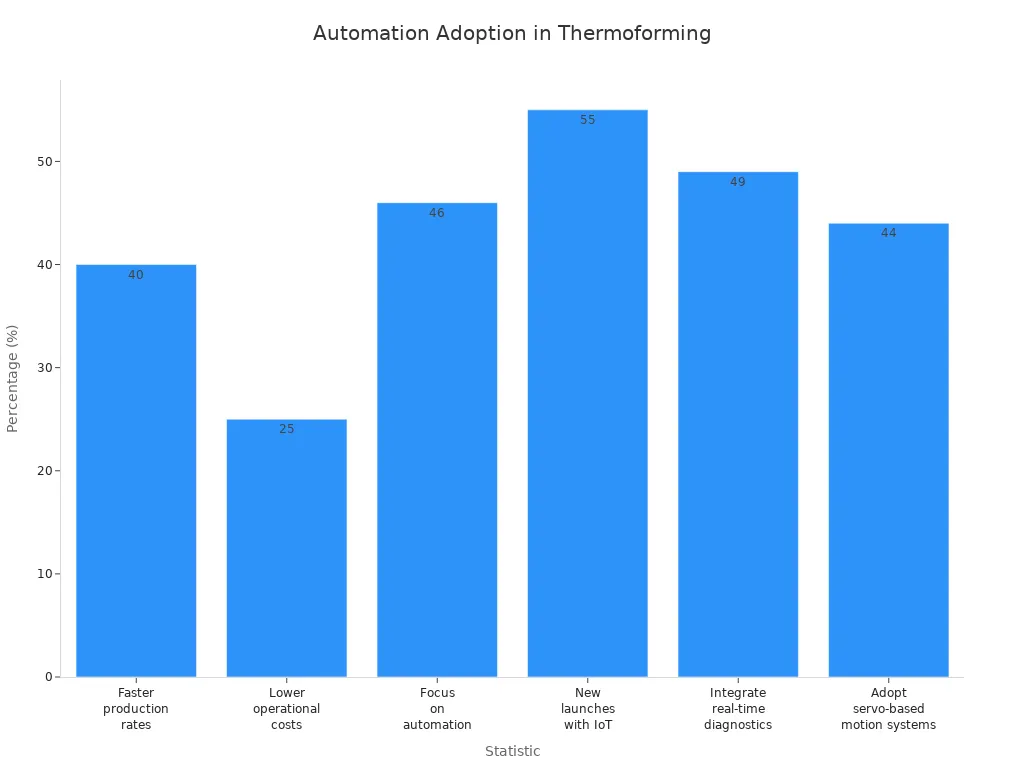
You see big changes in the thermoforming industry. Automation and digital control are changing how things are made. Almost half of companies now use automation. About 55% start new systems with IoT features. The market is growing fast. It reached $48.71 billion last year. You get faster production, lower costs, and better diagnostics. This chart shows how companies use these new features for the future of thermoforming:
Automation makes things faster and saves money on workers. Companies can make more products in less time.
AI helps check for problems right away. This means better quality and fewer errors.
Tools like CAD and digital twins help make better designs. They also help use less material and protect the environment.
Predictive maintenance finds problems before machines break. This keeps everything working well and saves money.
Teaching workers about new technology is very important. It helps them work better and keep up with changes in thermoforming.
The thermoforming industry has used the same steps for years. The traditional thermoforming process shapes plastic into products. Here is what happens:
Heating: You put a plastic sheet in a clamping frame. The sheet goes into an oven. It gets soft from the heat.
Forming: You shape the soft sheet over a mold. You use vacuum or pressure to do this.
Cooling & Release: The plastic cools down and gets hard. You take it out of the mold.
Trimming & Finishing: You cut off extra plastic. This gives you the finished product.
You need special machines for each step:
Clamping frames keep the plastic in place.
Ovens or heaters warm up the sheet. They use infrared or convection.
Molds make the plastic look the way you want.
This process helped the thermoforming industry get bigger. The market size was $1,197 million in 2024. It may reach $1,635.6 million by 2032. Some big companies in the thermoforming industry are ILPRA, MULTIVAC, Kiefel, GEISS, and Brown Machine Group.
Market Size (USD) | Year |
|---|---|
1197 million | 2024 |
1635.6 million | 2032 |
Major Players |
|---|
ILPRA |
MULTIVAC |
Kiefel |
GEISS |
Brown Machine Group |
The thermoforming industry is changing quickly. Many things make companies switch to automated systems. Here are some main reasons:
Factor | Description |
|---|---|
Increased Efficiency | Automation helps you make more products faster. It also means less manual work. |
Hygiene Requirements | You can meet strict hygiene rules, especially for healthcare packaging. |
Labor Shortages | Automation helps when there are not enough skilled workers. |
Advancements in Technology | New technology lets you make products faster and more exact. |
The pandemic made automation more important for safety and keeping production going.
Companies get good results and fast returns when they use automation.
The healthcare industry needs better packaging, so demand for good processes is high.
The thermoforming industry is changing fast. You need to know these reasons to keep up.
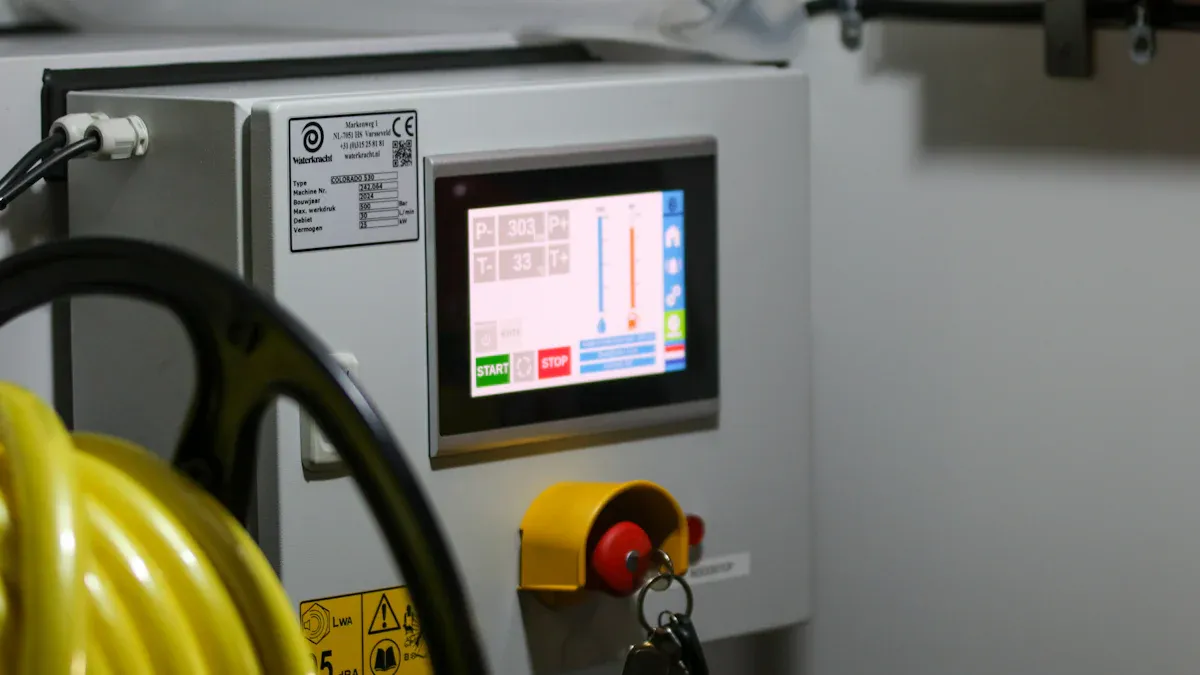
Thermoforming machines work differently now. Automation and robotics help you finish jobs faster. They also help you make fewer mistakes. Robots can move materials, sort products, and put them in order. For example, a 6-axis robot can move sleeves of products to other machines. This makes your production line work better. You can add special automation to your old machines. You do not have to buy all new equipment.
Robotics help with problems like stack length changes in polystyrene products. An actuated hold-down mechanism can stop crashes from happening. You also get a custom human-machine interface (HMI). This lets you control the process and fix errors fast. These new technologies help you change your production without stopping the line.
You can see these changes in many ways:
Robotic trimming and scanning add more detail to products.
You get smoother finishes and can use recycled materials.
You can make parts for medical, high-tech, and electric vehicle industries.
Tip: Task automation cuts down on manual labor and helps with worker shortages.
AI changes how you run thermoforming machines. AI-powered vision systems check products as they are made. These systems find defects in trays and other items. You can set your own rules for what is a defect. The system takes out bad trays and sends you alerts on the HMI. You can check defects right away or look at old data to find patterns.
AI lets you make changes as you work. This keeps quality high and waste low. AI checks every product, not just a few samples. This means you get better accuracy and fewer mistakes. AI also helps you spot problems before they happen. You can fix things early and avoid stopping the line.
Here is how AI works in thermoforming machines:
It checks each product for defects.
It removes bad products by itself.
It gives you quick feedback and data for future fixes.
Advanced vacuum and pressure systems give you even more benefits. These systems make sharper edges and more detailed products. Pressure forming uses higher air pressure than vacuum forming. This helps parts stick to the mold better and look more exact.
You can use advanced CAD and simulation software to design molds. This software helps you use less material but still make strong products. You can try new materials that are better for the environment and give you more design choices. Digital twins and AI let you model your process before you start. This helps you cut waste and make better products.
Some new advancements in thermoforming techniques are:
Advanced CAD and simulation software for better design and material use.
New materials that help the environment and give more options.
Automation and robotics for faster work.
Digital twins and AI for less waste and better quality.
Stereolithography (SLA) for quick tooling and prototypes.
Pressure forming that uses high-pressure air and vacuum for complex shapes.
You can expect molded tolerances of +.020 for the first inch and +.001 for each extra inch. The shrink rate is usually +.001 per inch. These improvements give you more accurate and steady products.
Improvement Type | Measurable Impact |
|---|---|
Cycle Time Reduction | 10-20% reduction through optimization |
Quality Consistency | Real-time adjustments for accuracy |
Production Efficiency | Increased throughput and reduced costs |
Note: Automation and digital tools in vacuum and pressure systems help you reach higher standards for quality and speed.
You can see that new technology in thermoforming machines, like advanced CAD, simulation software, and AI, push the industry forward. These changes help you make better products, faster, and with less waste.
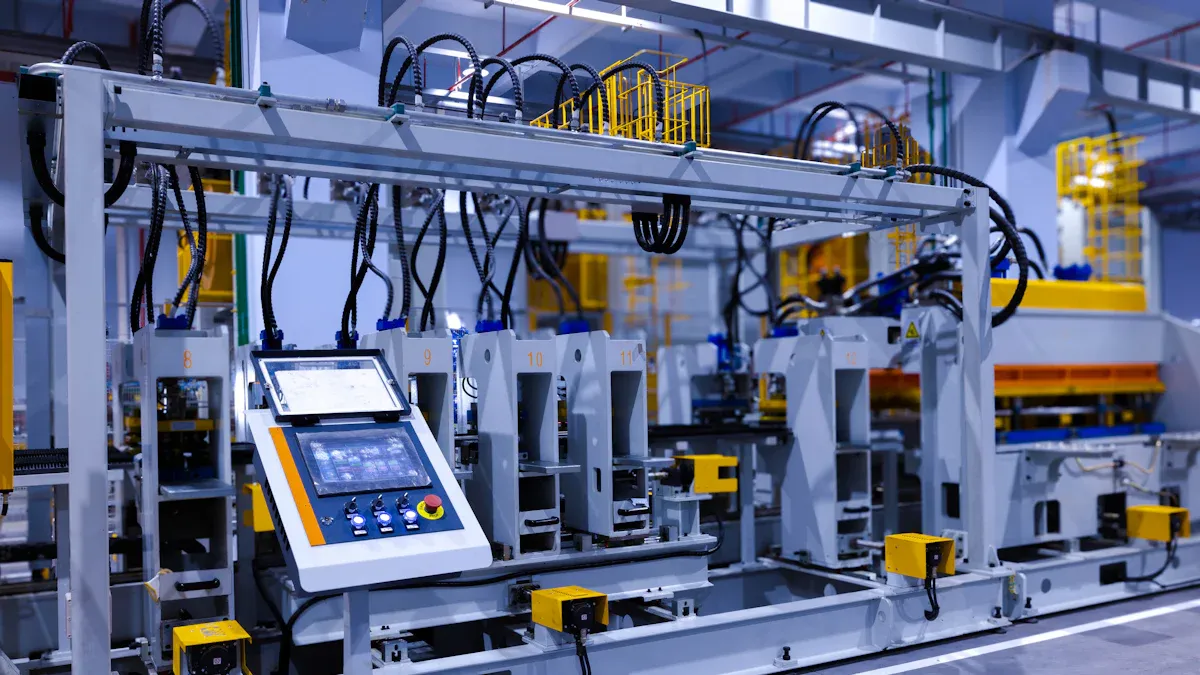
Automation makes production much faster in thermoforming. Machines do each step quickly and easily. Robots feed materials and stack products. This means you can make more items in less time. Some machines make up to 1,400 cups every minute. Fast molding can make production 20% quicker. Automated systems also lower labor costs. They help you keep up with demand for faster machines.
Tip: Smart temperature control keeps heating steady. This helps you make products faster and with fewer mistakes.
You want every product to be the same. Automation and computer controls help you do this. These systems cut down on human mistakes. They make sure each item meets your standards. Sensors check temperature and thickness all the time. They stop defects before they happen. IoT devices give you data to make your process better. Predictive maintenance finds problems early. This keeps your machines running smoothly.
Evidence Type | Description |
|---|---|
Automation | Cuts labor costs and human error. It makes products more consistent. |
Advanced Sensors | Watches temperature and thickness in real time. This stops defects and makes products more exact. |
Computerized Control Systems | Keeps product quality steady. It uses precise heating to lower defects. |
Note: Changing heating zones helps you get even heat. This makes product quality better.
Cutting waste saves money and helps the planet. Digital control and AI pick the thinnest safe wall for products. This can save 5–15% plastic each year. That means thousands of dollars saved. Some companies cut scrap by half. They save millions in costs. You use less raw material, which helps you meet green goals. Robots and vision systems find defects fast. This means less wasted material and better production.
Benefit | How it works | Typical Pay‑off |
|---|---|---|
Material Savings | AI and physics pick thinnest safe wall profile | 5–15% plastic cut → $100 k’s/yr |
Scrap Reduction | Scrap cut by 50% | €2 million annual cost savings |
Raw Material Savings | Saved 10% raw material |
Smart automation makes things more efficient. Robotic automation means less waste and more savings for you.
Smart automation is changing how thermoforming works. For example, SAY Plastics used an ERP system. This helped them deliver products on time almost every time. The system also made it easier to follow ISO rules. You can use these systems to watch your production as it happens. This helps you make better choices. Another company added a denesting agent to their machines. This tool made their automated systems work better. They did not need to buy new machines. These stories show that smart automation makes work faster and easier. It also helps you get ready for new upgrades. If you want special thermoforming solutions, smart automation gives you more control.
Predictive maintenance helps your machines last longer. It uses data to find problems before they get big. Your team can fix things early and stop costly breakdowns. This keeps the thermoforming process running smoothly. Here are some ways predictive maintenance helps you:
Data helps you know when equipment might break.
Your team can fix things before the line stops.
You have fewer surprise breakdowns, so work goes better.
Tip: Predictive maintenance saves money and keeps your work on track.
Connected systems give you more control over thermoforming. You can check machines from anywhere. This helps you act fast when things change. This is helpful if you have many lines or plants. You can control everything from one place. This means less downtime. Connected systems also keep data about your work. You can look at this data to find ways to improve. IoT lets machines share info right away. This makes machines work better and use less energy.
Remote monitoring lets you check machines from any place.
Central control is good for companies with many lines.
Data storage helps you see patterns and fix problems.
IoT makes quality better and cuts energy use.
Note: Connected systems help your automated machines work smarter and faster.
You help shape thermoforming’s future by picking green practices. Companies want to lower their harm to the environment. BMG uses cleaner energy for packaging. Their NXT platform helps you cut your carbon footprint. You can reach your green goals with it. More companies use materials like rPET and biodegradable plastics. These choices help you follow new rules and protect the planet.
You can pick recyclable materials to follow the law.
You get strong finishes that need fewer steps.
Quartz heaters use less energy and save money.
New materials last longer and need less work. This means you use less energy and make less waste. You help the earth by choosing energy-saving ways to make things. Digital twins and ai let you test designs before making them. This saves resources and helps you be more green. More companies will use green materials and digital tools to meet their goals.
Tip: Using green materials and digital twins and ai helps you make products with less waste and lower energy use.
You save money by using automation and digital tools. Automation lowers labor costs. You need fewer people to run machines. A plant that needed eight workers now needs less. Labor costs rose from $50,000 to $70,000 per worker each year. Automation helps you avoid these high costs. You also make more products in less time. Machines can make 60 to 200 packages each minute. This makes your plant more efficient and lowers your bills.
Type of Savings | Description |
|---|---|
Labor Savings | You need fewer workers, saving $50,000–$70,000 per worker each year. |
Efficiency Savings | You nearly double your output with fewer employees. |
Safety Savings | You lower workplace injuries, saving billions in compensation claims. |
Sustainability Savings | Automated tote management saves hundreds of thousands in training and personnel costs. |
You also save by using green materials and energy-saving ways to make things. Automated systems help you use less energy and make less waste. You spend less on materials and training. Digital twins and ai help you plan better and avoid mistakes. You see more savings as you upgrade your systems for the future.
Note: Automation and digital tools help you save money and work smarter.
Your workforce changes as automation and digital twins and ai become common. Automation makes your work more exact. You spend less and get better results. AI helps you improve forming and know when machines need fixing. You must train your team to use new digital tools. Teaching your team is important as you use new technology.
Automation and AI make your work more accurate.
You lower costs and work faster.
AI helps you plan repairs and stop breakdowns.
You must teach your team new skills for digital tools.
You help your team by teaching them about green materials and digital twins and ai. This gets you ready for the future. You build a team that can use new machines and digital tools. You make your workplace safer and smarter.
Tip: Training your team for digital tools and green practices helps you stay ahead in thermoforming’s future.
Adding automation to your production line is not easy. Ready-made solutions often do not match what you need. You have to change how you move materials and design your tools. It is important to keep tight tolerances when picking materials and making molds. Making large parts brings more problems, like handling heat and checking quality. You need special machines and skilled workers for these jobs. Advanced measurement tools help you keep products accurate because old ways do not work well for big parts.
Here are some main steps that need careful planning:
Step Type | Description |
|---|---|
Roll Changing | You must handle the material feed so things run smoothly. |
Infeed/Outfeed Conveyors | You control how materials go in and out of machines. |
Heating Elements | You need to keep the temperature just right for good results. |
Process Control | You watch and change settings while making products. |
Mechanical Pressing | You use the right pressure to shape the materials. |
Vacuum Control | You control vacuum levels to form products the right way. |
Trimming and Cutting | You make sure each product gets cut the right way. |
Inspection | You use sensors to check quality and find problems early. |
You also need to think about technical, money, and work needs. Good planning helps you avoid mistakes and keeps your line working well.
Your team needs new skills to use automated systems. Old training does not always help workers learn digital tools. Mixed Reality and Virtual Reality training can help a lot. These programs use computer simulations to show how heat and machines work together. Studies say MR training makes workers happier and helps them learn better than video training. Workers think MR is easier and more reliable. You can use these tools to help your team learn faster and get used to new technology.
Digital control can bring new risks to your business. You need to know who can see and use your data. Watch how data moves through your systems to spot problems early. Set up user access controls based on what people do with data. Keep an eye on your systems to catch threats quickly. Use strong encryption to keep important information safe. Teach your team to use safe online habits. Data loss prevention tools help stop leaks and protect your business. Keep a list of all your data sources and types. This helps you find weak spots and keep important things safe.
Tip: Training your team often and using strong security tools helps keep your data safe in a digital world.
You need a good plan to keep up with changes. Companies that do well focus on a few things. They use new technology to stay ahead. They care about sustainability to follow rules and help customers. They try new markets so they are not stuck with just one. You should pick machines that can grow with your business. Choose equipment that is easy to make bigger. Always check if your process follows new rules. Make sure your features match Industry 4.0 and green goals. This way, you are ready for new problems.
Tip: Look at your plan every year to keep up with new trends and rules.
You can make your company more creative by listening to customers. Try these steps. Ask customers what they think to get new ideas. Use surveys and polls to learn what they want. Make feedback groups to get advice all the time. Talk to customers on social media to hear their thoughts. Let customers try new products before you sell them. Use what you learn to make better products. Good leaders help teams feel safe to share ideas. When leaders support you, you try new things. If you feel safe, you share more ideas and take smart risks. This helps your company grow and change.
You need to keep learning about new technology. There are many ways to stay informed. One article talks about new machine learning tools, forming methods, and green materials. Another resource explains the basics and how products are made. Reading these helps you see new trends early. You can use this to make better choices for your business.
Note: Learning about new things helps you stay ahead in a fast-changing industry.
You notice automation and digital control changing thermoforming a lot. AI-driven systems help you find defects fast. They also keep machines working well. The table below shows how new tools help your job:
Advancement Type | Impact on Thermoforming |
|---|---|
Computer-Aided Design (CAD) | Makes work faster and lowers mistakes in production |
Automation | Cuts down pollution and helps the planet |
You can use smart materials and better equipment to improve. Keep asking questions and learning new things. New technology will keep changing how thermoforming works.
You get faster production and fewer mistakes. Automation helps you make more products in less time. It also keeps your quality high and your costs low.
You use sensors and smart systems to watch every step. These tools help you spot problems early. You can fix issues before they affect your products.
Yes, you can add new controls and robots to many older machines. This lets you improve your process without buying all new equipment.
You can use simple training tools like virtual reality. These tools help your team learn faster. Workers often find digital systems easier to use after training.


