
Views: 0 Author: Site Editor Publish Time: 2025-10-22 Origin: Site
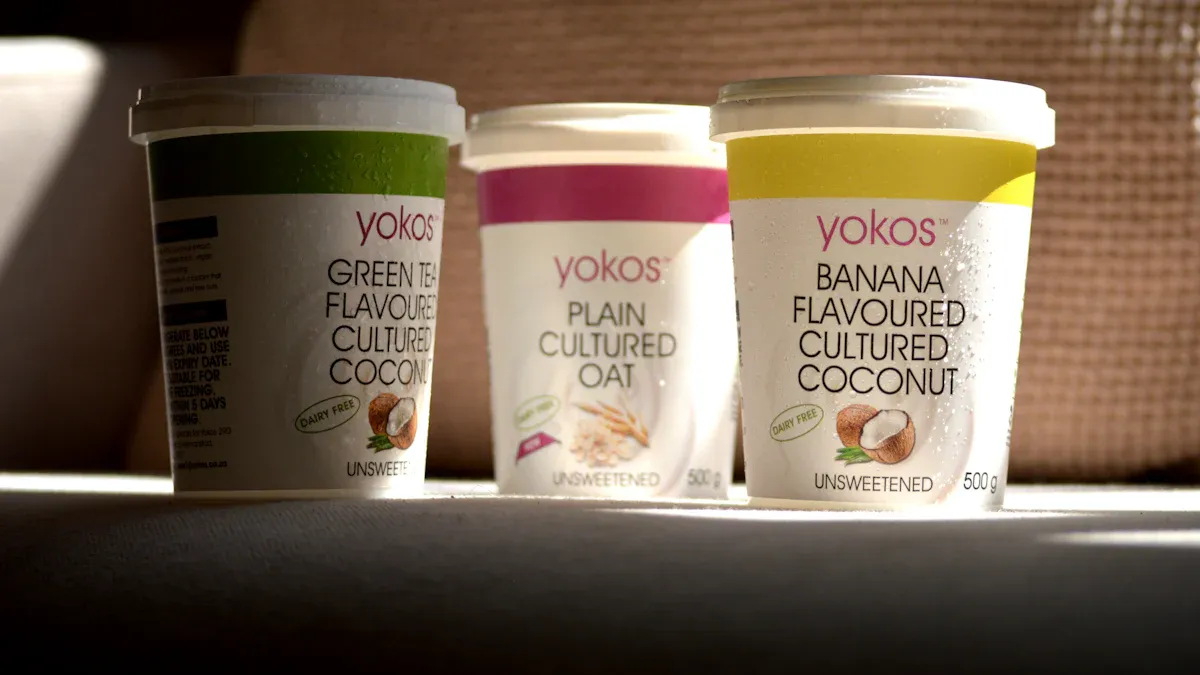
You take a yogurt cup from the fridge. Have you thought about why it looks and feels like that? Companies use thermoforming to make yogurt cups. This way is fast, saves money, and keeps the yogurt good. When you look at other ways to make packaging, thermoforming is special. It costs less to set up and makes cups quickly:
Packaging Method | Cost Comparison | Key Advantages |
|---|---|---|
Thermoforming | Usually costs less | Makes cups fast, setup is cheap, good for throwaway cups |
Injection Molding | Costs more at first | Makes strong cups, very exact, cheaper per cup if you make a lot |
Thermoforming is why your yogurt cup is made this way.
Thermoforming is a quick and cheap way to make yogurt cups. It helps companies make many cups fast and easily. Yogurt cups made this way are lighter and use less plastic. This makes them better for the environment and easier to recycle. The thermoforming process lets companies create many shapes and designs. This helps brands get noticed in stores. Using high-impact polystyrene (HIPS) and polypropylene (PP) makes yogurt cups strong and safe. These materials also let the cups handle heat during filling. Smart packaging, like built-in spoons and lids you can close again, makes things easier for people. These features also help stores work better.
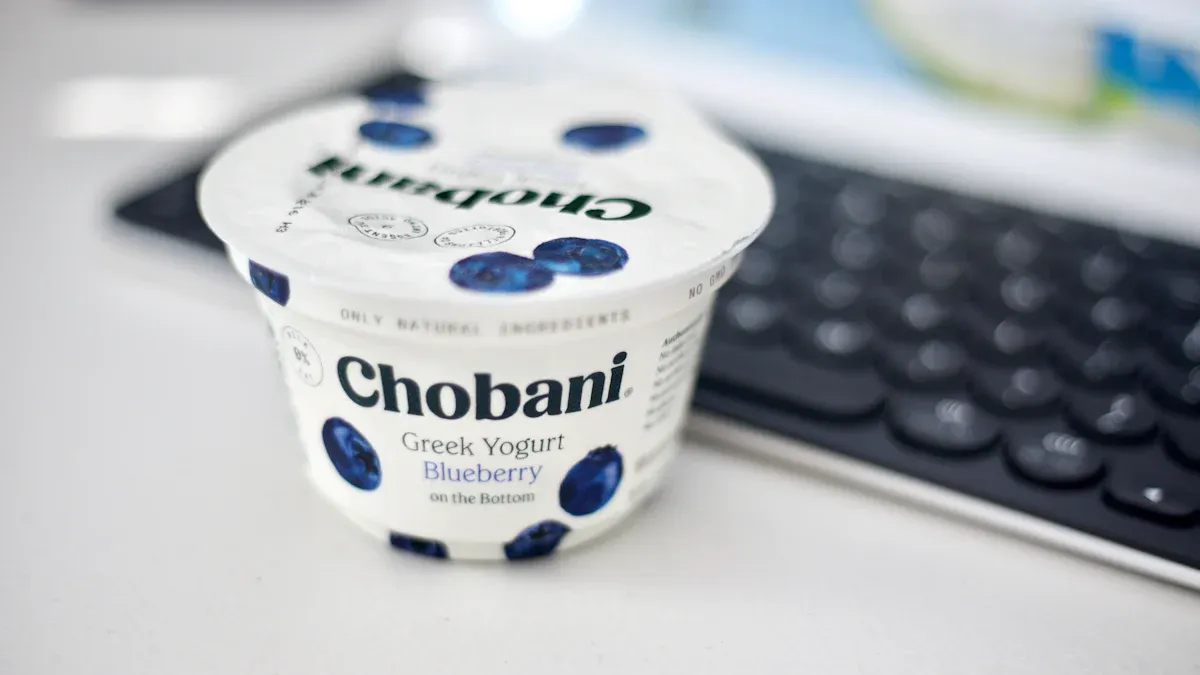
Thermoforming shapes plastic sheets into things we use every day. It starts with a flat plastic sheet, usually polystyrene. Machines heat the sheet until it gets soft. The soft sheet stretches over a mold. Air or pressure pushes it into the right shape. When the plastic cools, it keeps that shape. Workers cut off extra edges. Now the product is ready.
Yogurt cups use 0.7mm white polystyrene sheets. These sheets are easy to shape and look bright. They also follow food safety rules, so they are safe for food. The process has a few steps:
Put plastic resin in a machine to make a sheet.
Heat the sheet until it is soft.
Place the sheet on a mold and shape it with air or pressure.
Take out the cup, trim it, and check if it looks good.
Thermoforming makes cups with smooth, strong sides. The cups look nice and protect the yogurt inside.
Tip: Thermoforming uses less plastic than some other ways. This helps cut down on packaging waste.
Most yogurt you see in stores comes in thermoformed cups. This way is popular for a few reasons. Thermoforming is faster and cheaper than other methods, like injection molding. You do not need costly tools to begin. Factories can change cup designs quickly. This helps companies keep up with new trends.
Here is a comparison of thermoforming and injection molding:
Feature | Thermoforming | Injection Molding |
|---|---|---|
Tooling Cost | Lower | Higher |
Production Speed | Faster | Slower |
Design Flexibility | High | Medium |
Sustainability | More recyclable, lighter | Heavier, less recyclable |
Thermoforming is also better for the environment. The cups are lighter, so they use less plastic and are easier to recycle. Factories can use recycled plastic too. This lowers the carbon footprint of yogurt cups.
Thermoforming keeps yogurt safe and fresh for you. It also lets brands make many shapes and sizes. This helps their cups stand out in stores. When you grab a yogurt cup, you hold something made quickly and carefully.
A yogurt cup is more than just a container. The material inside is important for the yogurt and the cup. High-impact polystyrene (HIPS) is used most often for yogurt cups. You can find HIPS in cups and tubs. To make HIPS, manufacturers mix styrene-butadiene co-polymer with general-purpose polystyrene. This mix makes the cup stronger and tougher.
HIPS can be colored with pigments. This helps block light and keeps yogurt fresh. HIPS is strong against bumps and drops. Your yogurt stays safe when it is shipped or stored. HIPS also lets gases move in and out. This helps with fermentation.
Other materials, like polypropylene (PP), are also used for yogurt cups. Here is a table that shows some common grades and their properties:
Grade | Properties |
|---|---|
Homopolymer PP | Most rigid grade, suitable for applications requiring high rigidity. |
Random Copolymer PP | Enhanced impact strength, softer texture due to ethylene incorporation. |
Block Copolymer PP | High ethylene content, excellent impact resistance, even in low temperatures. |
General Properties | High temperature resistance (up to 295°F), suitable for hot-fill and microwavable applications. |
These materials help keep yogurt safe and make the cup strong.
Yogurt cups need to handle heat during filling and sealing. If the cup cannot take the heat, it might bend or break. This can ruin the yogurt and make it unsafe. High heat can also hurt the vitamins and taste in yogurt. That is why companies use HIPS and PP. These materials can handle high temperatures.
Sterilization is important too. Factories use dry heat or steam to kill germs. The cup must stay strong during this step. If it does not, the yogurt could spoil before you eat it.
Food safety rules are very strict. All packaging must meet standards from groups like the FDA and EFSA. The cups cannot have bad chemicals like BPA or phthalates. Companies test every material to make sure it is safe.
Note: Safe and heat-resistant cups keep your yogurt fresh and healthy from the factory to your fridge.
When you pick yogurt in a light cup, you help the Earth. Thermoforming uses less energy than other ways. The machines only heat thin plastic sheets, so they save power. This lets companies make cups with thinner walls. You still get strong cups that use less plastic.
Lighter cups let trucks carry more yogurt at once. This means fewer trips are needed to deliver yogurt. The packaging is usually less than 5% of the total weight. This makes shipping easier and lowers carbon emissions. When you choose these cups, you help the planet.
Thermoformed yogurt cups can be made with recycled materials. Some companies use only recycled polystyrene for their cups. You might not know how much is recycled in each cup, but it is possible. This proves yogurt packaging can be more eco-friendly.
Closed-loop recycling keeps materials in use for longer. Here is how this works for yogurt cups:
Yogurt cups often use polypropylene and polystyrene, which are safe for food.
Factories can make new cups from recycled polypropylene that is just as good as new.
Some companies use only recycled polystyrene to make new cups.
Food-grade polypropylene, like yogurt cups, is over 75% of recycled polypropylene.
AI helps sort and collect more plastic for recycling.
Recycled styrene can become new polystyrene, so the cycle continues.
When you recycle your yogurt cup, you help keep the world clean. Light packaging also helps cut down on waste everywhere. Choosing these cups lowers the carbon footprint of dairy and makes shipping better for all.
Thermoforming lets companies make many yogurt cup designs. They can pick different shapes, sizes, and colors for the cups. PET sheets work well with many types of molds. You can choose how wide or thick the cup is. You can also pick how the outside feels and looks. The table below shows how thermoforming helps make custom cups:
Feature | Description |
|---|---|
Material | PET sheets made for excellent thermoforming |
Customization | Width, thickness, color, and surface finish can be tailored |
Mold Compatibility | Works with round, multi-cavity, and custom molds for unique shapes |
Performance | Stable cup shapes, smooth surfaces, and strong durability during filling |
You can find many fun yogurt cup designs in stores. Some brands use clear cups so you can see the fruit inside. Other brands use special shapes, like round pots with bumpy bottoms. These cool designs help the yogurt stand out and show what is inside.
Dannon uses clear cups to show fruit at the bottom.
Senagral makes round yogurt pots with a wavy pattern and bumpy base.
Thermoforming lets brands try new ideas without spending a lot. You get more choices and better-looking yogurt cups.
When you walk by the dairy section, you notice the packaging first. Brands use color, shape, and labels to make their yogurt easy to spot. Cool colors like blue and green make you think of fresh and healthy food. Simple labels help you find your favorite yogurt fast. The table below shows what makes you pick a yogurt:
Factor | Evidence |
|---|---|
Color | Cool colors like blue-green make yogurt look fresh and healthy |
Shape | Clean shapes, like gable-top, show quality and safety |
Information | Simple, clear labels are easier to read and more appealing |
You want packaging that is easy to open but keeps yogurt safe. Clear windows and easy-to-read dates help you trust the yogurt. Many brands now use packaging that is better for the Earth. This helps the planet and makes you feel good about your choice.
Brands that use eco-friendly packaging get more customers.
Companies use fun designs and new materials to stand out.
Packaging is a big part of how brands sell yogurt.
Thermoforming makes all these things possible. You get yogurt in cups that look nice, work well, and help you choose the best one.
Thermoforming gives companies many good things when making yogurt cups. It helps them make cups fast and saves money. The cups are strong and keep food safe. Thermoforming machines can make up to 42 cups each minute. This means more cups are made in less time. Companies can send fresh yogurt to stores quickly because of this speed.
Here are some important benefits:
You can make packaging that matches your brand.
Bright pictures and logos can be added to get shoppers’ attention.
Thermoformed packaging keeps food safe with tight and secure seals.
The process uses less material, so it costs up to 15% less.
Using recyclable packaging is better for the environment.
Strong packaging keeps yogurt safe from air, water, and light, so it stays fresh.
Note: Making cups fast and using smart designs saves money and cuts down on waste.
Aspect | Savings Percentage | Benefits |
|---|---|---|
Material Costs | Up to 15% | Lower costs help companies sell yogurt at better prices. |
Production Speed | Increased | Faster work means more cups are made and sold. |
Environmental Impact | Reduced | Less harm to the planet, which is good for everyone. |
Yogurt cups are made to help stores and shoppers. The cups are light and easy to stack. This makes it simple to move and store lots of yogurt. Stores can put more cups on shelves, so they save space. Trucks can carry more yogurt at once, so shipping costs less.
You also get helpful features from the packaging:
Convenience Feature | Benefit to Consumers |
|---|---|
Integrated spoons | You do not need to bring a spoon. |
Resealable lids | You can close the cup and save leftovers. |
Compartmentalized designs | Toppings stay separate until you want them. |
You can open your yogurt cup easily and keep it fresh if you do not finish it. You can also enjoy toppings without making a mess. These smart choices make eating yogurt easier and more fun.
Tip: Picking yogurt in thermoformed cups helps stores work better and gives you more comfort at home.
You now know why yogurt cups are thermoformed. This process gives you strong, lightweight cups that protect your yogurt and keep it fresh. Thermoforming uses recyclable plastics like PET and PP, which helps the environment. You see brands use custom designs and colors to catch your eye.
Thermoformed cups are fast to make and cost less.
They use less plastic and support recycling.
New machines use smart technology for better results.
Next time you enjoy yogurt, remember the smart design and care that goes into every cup.
These cups are lighter and use less plastic. Companies can make many shapes and sizes. This way costs less and keeps your yogurt safe.
Most thermoformed yogurt cups can be recycled. Look for recycling symbols like ♳ (PET) or ♸ (PP). Always rinse your cup before you recycle it.
These cups are safe for food. Manufacturers use materials approved by the FDA and EFSA. They do not have harmful chemicals like BPA.
Thermoforming lets brands make special designs and colors. You see different shapes and bright labels because companies want their yogurt to stand out.


