
Views: 0 Author: Site Editor Publish Time: 2025-10-21 Origin: Site
Plastic bans make you think differently about packaging. Thermoforming has new rules and bigger goals now. Companies want better ways that help the planet. These changes make you look for new materials. You also need to change old ways. Thermoforming lets you use less material and waste less. You have to be ready to change as people want safer packaging.
Use eco-friendly materials like bioplastics and recycled plastics. This helps the environment and follows new packaging rules.
Make packaging easy to recycle by using one material and clear labels. This helps people recycle better.
Use machines and methods that save energy. This lowers energy use and cuts down on greenhouse gases in thermoforming.
Keep up with what customers want and new rules. This makes sure your packaging fits what the market and environment need.
Use systems that recycle materials and cut down on waste. This helps create a circular economy and keeps the planet healthy.
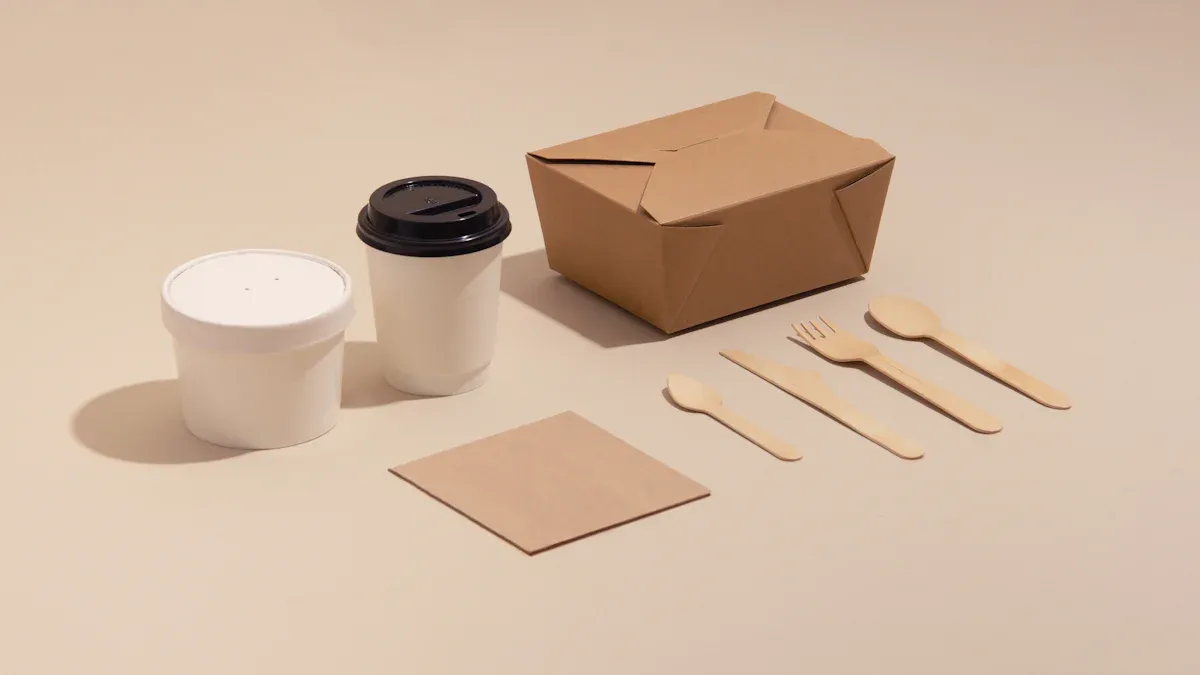
Thermoforming is changing because people want better materials. There is a move away from old plastics to new ones that help nature. Many companies now use starch-based bioplastics and other materials that can be renewed. These choices help the earth and make packaging safer.
Bioplastics have not taken over most regular plastics yet. Right now:
Biodegradable polymers are only about 1% of all plastics.
You can find some types of bioplastics used in thermoforming. Each kind has good points and some problems.
Type | Description |
|---|---|
PLA (Polylactic Acid) | Used for packaging, throw-away plates, and 3D printing. |
PHA (Polyhydroxyalkanoates) | Made by microbes, used in packaging and medicine. |
Choosing bioplastics helps the earth in many ways:
Some bioplastics break down on their own, so less trash goes to landfills.
Making bioplastics often creates fewer greenhouse gases than regular plastics.
But there are some problems too:
Crops for bioplastics can take space from food crops.
Some bioplastics are hard to recycle, which makes trash harder to handle.
Thermoforming helps you use less material for each package. This saves resources and makes less trash. You can pick new materials and ways to make things better:
Recycled plastics from old products mean less new plastic is needed.
Bioplastics like PLA can be composted after short use.
Recyclable plastics like PET and HDPE can be made into new sheets.
You can make packaging work better by:
Using one kind of material for the whole package, which helps recycling.
Making walls thinner so you use less material.
Adding clear labels so people know how to recycle.
New thermoforming methods let you make PET packages that can be recycled fully. Slit-and-fold technology uses just one material, so you do not need to pull parts apart for recycling. Closed-loop systems let you collect and reuse scrap from making packages. This keeps trash out of landfills and helps your business.
Tip: If you design packaging for recycling, you help your company and the earth.
You are important in making packaging better for nature. By picking good materials and smart ways to make things, you help the planet and follow new packaging rules.
You can help the environment by saving energy in your thermoforming plant. Many companies now use better heating parts in their ovens. These parts give steady heat but use less power. Control systems help keep the heat just right, so you do not waste energy. LED lights use less power than old lights. Motors with special drives only use the power they need. New air systems also help save more energy.
When you use these steps, you help the earth in many ways. You use less energy, so fewer greenhouse gases go into the air. You make less waste by recycling more. You also use less fuel to move packaging.
Some companies, like SAY Plastics, recycle almost all their materials. They use new plastic granulator machines to do this. This also means they need less packaging and less fuel for shipping. AI tools can help you lower your impact on the earth by up to 40%. You can do this and still make a lot of products.
New machines and tools help you reach your green goals. The table below shows how new upgrades help the earth and support recycling:
Evidence Description | Impact on Energy Consumption and Carbon Emissions |
|---|---|
Use of PLA large thermoforming machines | Makes less pollution than injection molding because it uses less energy. |
Energy-efficient design | Uses better heating and cooling, so it needs less energy. |
Energy recovery technology | Saves 15% energy by reusing waste heat. |
Optimized structural design | Uses fewer materials, so it makes less pollution. |
Other new things include robots and machines that work by themselves. These make work faster and cost less. Digital twins and AI help you find problems fast and make less waste. These tools help you recycle and use fewer materials. Faster machines mean you can make more packages with less harm to the earth. When you use these new ideas, you help protect nature and follow new rules for plastics and recycling.
You can help recycling by changing how you design packaging. Many companies now pick PET for thermoforming. PET is accepted in most recycling programs. This helps the environment when you use it. More companies use monomaterial structures for food and medical packaging. Using just one material makes recycling easier.
Over 60% of people in the U.S. can recycle PET packaging.
Monomaterial packaging is used more in many industries.
PET bottles are recycled more than PET packaging, but new projects want to recycle all PET items more.
You should also think about single-stream recycling. This system lets people put all recyclables in one bin. It makes recycling easier for everyone, but there can be problems. The table below shows how single-stream and dual-stream recycling are different:
Aspect | Single-Stream | Dual-Stream |
|---|---|---|
Scrap Material Quality | Lower | Higher |
Processing Costs | Higher | Lower |
Contamination Issues | Significant | Minimal |
Overall Cost per Ton | $3 more | Less |
When you design packaging for single-stream recycling, you help more people recycle. But you also need to make sure your packaging does not cause too much contamination.
You have to follow new rules about plastics recycling and packaging. Many places now ban some plastics, so you need to change how you make packaging. Companies use different ways to keep up with these rules. The table below shows some ways you can adapt:
Adaptation Strategy | Description |
|---|---|
Closed-loop recycling | Uses leftover materials from making things for new products. |
Packaging engineered for reuse | Makes packaging that you can use again or recycle. |
Design for Recyclability (DfR) | Plans packaging so it is easy to recycle. |
You can help your company and the earth by using these ideas. When you design packaging for recycling, you make it easier for people to recycle. You also follow new laws and help reduce waste.
You can help the earth by using more recycled materials. Many companies now add recycled content to their products. In 2023, PET thermoforms used about 17% recycled plastic. This was more than the 11% used in 2022. You often see recycled PET, PP, and HDPE in these items.
Using recycled materials means you need less new plastic.
You help recycling by giving old plastics new uses.
You help cut down on waste and save resources.
There are some problems when you use recycled content. You must make sure your products stay safe and strong. This is very important for things like paint packaging that hold liquids. You also need a steady supply of good recycled plastics. Many companies work with suppliers to get the right materials.
A circular economy means you use materials again and again. You design packaging so it can be recycled into new things. Closed-loop systems help you collect and reuse scrap from your factory. This keeps waste out of landfills and helps the planet.
But there are some limits with thermoforming. The process works best with simple shapes. It does not work well with complex designs or undercuts. The table below shows some main limits:
Limitation Type | Description |
|---|---|
Material Compatibility | Thermoforming uses only some plastics that can handle heat and pressure. This limits recycling options. |
Design Complexity | The process cannot make very detailed shapes, so it limits how much you can recycle. |
You may also have problems when different plastics mix together. For example, closures made of HDPE and PP can make it hard to recycle PET bottles. This lowers the quality of recycled bales and makes closed-loop systems harder to use. Polyolefin closures often cannot be used again for food packaging, even after recycling. New mono-material PET closures help fix this problem. They make recycling easier and help a circular economy.
Tip: Pick simple designs and use one kind of plastic. This makes recycling easier and helps the planet.
You are important in making recycling work. By picking the right materials and designs, you help make packaging better for the earth.
Switching to sustainable thermoforming brings new problems. Costs can go up when you use new materials or buy new machines. But you can also save money in some ways.
Thermoforming costs less for tools than other ways. You do not spend much on molds if you do not need a lot of products.
You can make things faster, so you get more done in less time. This helps your business stay strong.
Thermoforming lets you use materials better. You waste less plastic, which saves money.
If you make a medium amount of products, you can save over half on tool costs compared to metal stamping.
You can make more products by using new machines. Thermoforming works for many types of businesses. Using robots and better materials helps your company grow. You also help the earth by using less plastic and recycling more.
You need to keep up with what people want and new laws. People want packaging that is good for the earth. Many young buyers pick brands that care about nature. They like products with less plastic and more recycled stuff. Using green packaging helps people trust your brand.
Laws are getting tougher everywhere. For example, the European Union does not allow some single-use plastics. You must follow these rules to keep your business open. Many companies now spend money to make packaging that fits these laws. You can do well by using materials that can be recycled and making packages easy to recycle.
Tip: If you use green materials and focus on recycling, your business can do better.
You help decide how packaging will look in the future. Your smart choices protect the earth and meet what customers and laws ask for.
You notice packaging is changing quickly. Thermoforming uses more recycled and bio-based materials now. It also helps cut waste and saves energy. To keep up, you can do a few things.
Pick recyclable plastics like PET and HDPE.
Try vacuum forming to use less energy.
Use scrap material again when making products.
Innovation Type | Description |
|---|---|
Material Waste Reduction | Less waste and more plastic gets recycled. |
Eco-friendly Practices | New materials and green ways to make things. |
Keep an open mind and keep learning new things. You help make a future where packaging keeps products safe and helps the earth.
You heat a plastic sheet until it gets soft. Then you press it into a mold. This helps you make things like trays and containers fast.
You can use recycled PET, HDPE, and PP for thermoforming. These plastics help you make less trash. They also help you follow new rules. Many companies use recycled plastics in their products now.
Plastic bans make you pick safer materials. You use more bioplastics and recycled plastics. You design packages that people can recycle or use again.
Material | Recyclability | Common Use |
|---|---|---|
PET | High | Food trays |
HDPE | High | Bottles |
PLA | Compostable | Cups |
Tip: Use just one material for your package. This makes recycling easier for everyone.


